Concern · Sensitivity
Why Australian Skin Barriers Struggle More Than Korean Skin
A routine that keeps skin comfortable in Seoul can leave the same person tight, flaky and reactive in Melbourne. It isn't the products failing. It's four environmental variables nobody accounts for when they copy a Korean routine wholesale.
6 min read · Skin Grocer Curation Desk

1. UV load, not UV season
Seoul's summer UV index peaks around 8–9 for a few weeks. Large parts of Australia sit at extreme UV for months, and even a Melbourne winter records damaging UV on clear days. Chronic UV exposure degrades the lipid matrix that holds your barrier together — so the same barrier repair routine has to work harder here simply to hold ground. This is the single strongest argument for treating sunscreen as a barrier product, not a cosmetic one.
2. Air conditioning, which is effectively a dehumidifier
Korean apartments run humidified heating through winter; Australian offices, cars and homes run refrigerated cooling for months. Air conditioning strips ambient humidity, and transepidermal water loss rises with the humidity gradient. Humectant-heavy Korean essences — glycerin, hyaluronic acid, panthenol — actually pull water *from* your skin in a dry, air-conditioned room unless you seal them with an occlusive. This is the most common mistake we see: the right products, applied in an environment they weren't designed for, with the last step skipped.
3. Water hardness
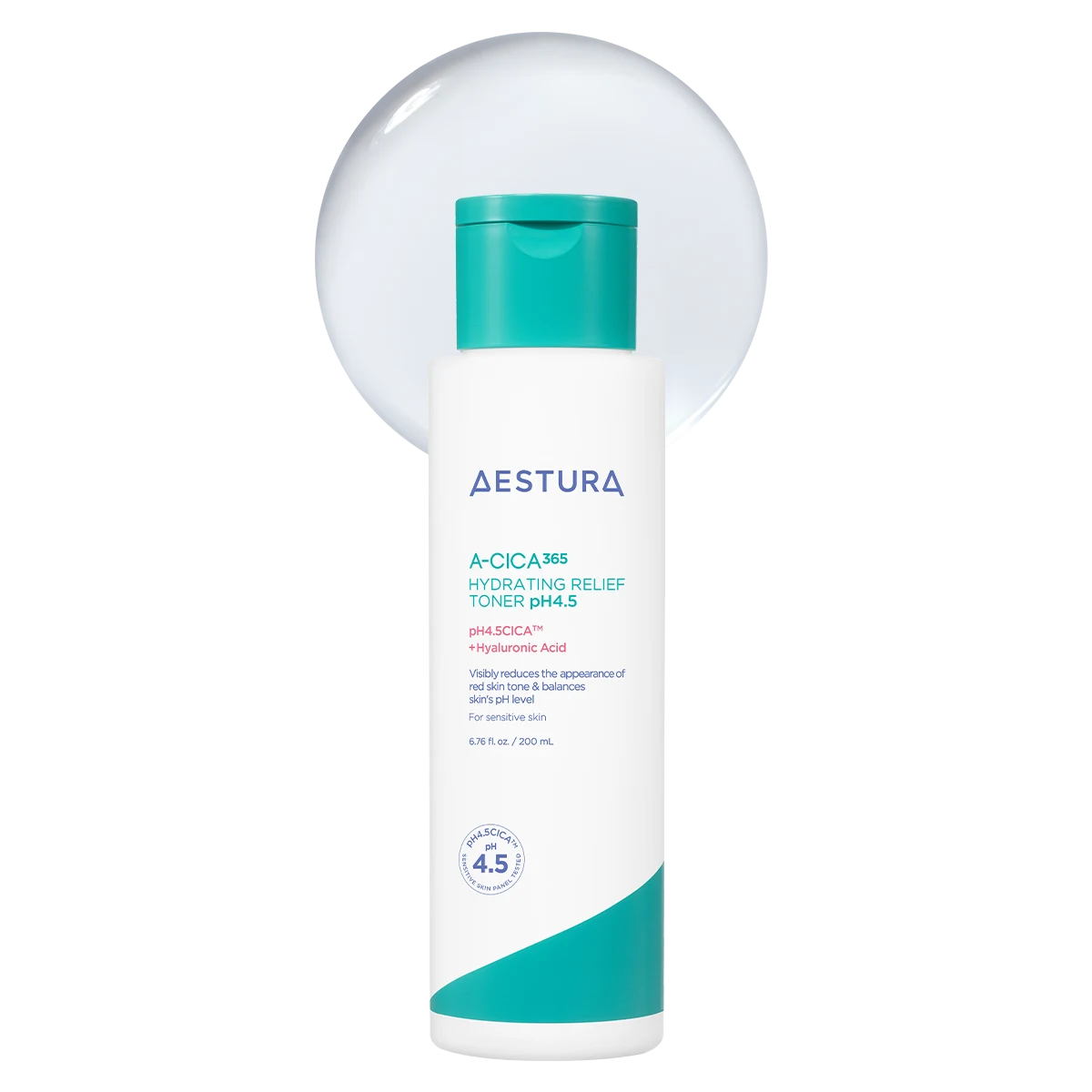
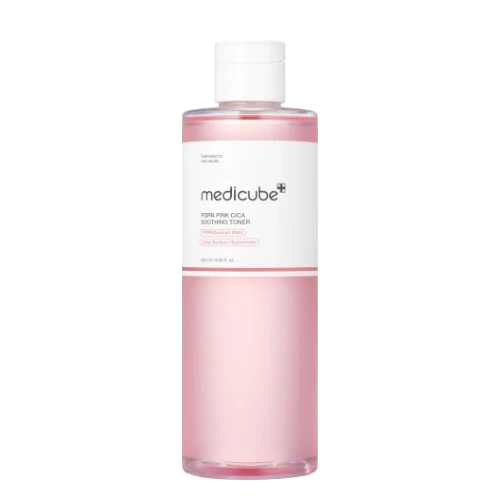
Adelaide, Perth and parts of regional Queensland and Victoria have noticeably harder water than Seoul's supply. Calcium and magnesium ions react with cleanser surfactants to leave a residue film and raise skin pH after washing, which slows barrier recovery. If your skin feels squeaky and tight for twenty minutes after cleansing, the water is contributing. A low-pH, low-foam cleanser and a hydrating toner immediately after washing does more here than any serum.
4. Climate swing within a single day
Melbourne can move 15°C between morning and evening. Rapid temperature change causes vasodilation and flushing, and repeated flushing is a genuine driver of persistent redness and sensitivity. Skin that behaves in a stable climate can become reactive here without any change in products.
The Australian adjustment
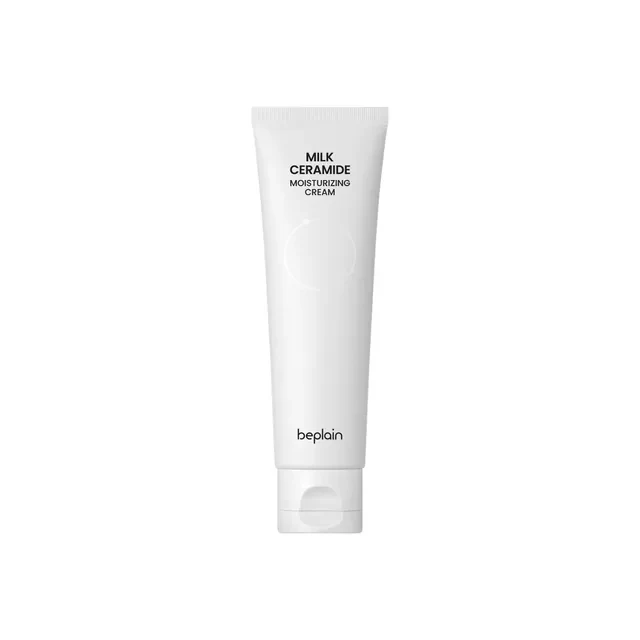
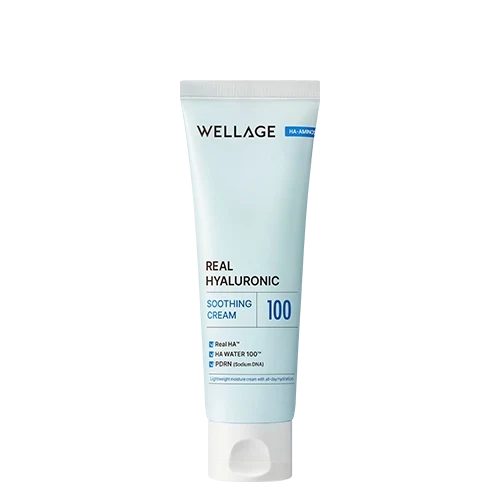
Keep the Korean logic — thin, layered hydration and soothing actives — and change three things. Always seal humectants with a cream or lipid-rich moisturiser, especially indoors. Drop actives back to alternating nights during barrier flare-ups instead of pushing through. And treat SPF as the load-bearing step, not the optional last one. Koreans reapply sunscreen because they're protecting an investment in skin health; here you're protecting against far more UV, for far more of the year.
Signs your barrier is actually compromised
Stinging from products that never stung before. Redness that stays after a hot shower. Tightness within minutes of cleansing. Flaking on top of oiliness. If you have two or more of these, stop every active for fourteen days and run cleanser, hydrating toner, a cica or ceramide moisturiser, and SPF. Nothing else. Most barriers recover in two to four weeks — but only if you stop poking them.
What we read
- ARPANSA — UV Index and sun protection times for Australia
- Bureau of Meteorology — Australian climate and humidity averages
- Olive Young 2026 top ingredient benefit groups (Korean consumer purchase behaviour)
Educational only — not medical advice. Persistent or severe skin concerns deserve a dermatologist.
Shop this article
In-stock in our Melbourne warehouse — order by 12pm and it’s on your doorstep tomorrow across metro Australia.
Keep reading
Concern · Tone
K-Beauty On Deeper Skin: What Actually Translates
Cast, brightening claims and pigmentation, honestly assessed for Australian skin.
8 min read
Routine · Order
The Correct Layering Order For Humid Australian Summers
When Korean seven-step logic breaks down at 35°C, and what to do instead.
5 min read
Seoul Signal · Philosophy
미리 관리: Korea's Prevention-First Skincare Philosophy
The idea that reframes everything — fix it before it becomes a problem.
7 min read