Concern · Tone
K-Beauty On Deeper Skin: What Actually Translates
Most K-beauty marketing was written for a domestic market where the average shopper sits in a narrow band of skin tones. Australia is not that market. Here is what carries across, what needs adjusting, and what to ignore entirely.
8 min read · Skin Grocer Curation Desk

The honest starting point
Korean formulations are developed and tested primarily on Fitzpatrick types II–IV. That doesn't make them unsuitable for deeper skin — the barrier science is universal — but it does mean three things are frequently mismatched: sunscreen cast, the language around 'brightening', and the assumed baseline for irritation risk. Australia's population spans the full Fitzpatrick range, so we assess every product we stock against that reality rather than the Seoul default.
White cast is a filter problem, not a K-beauty problem
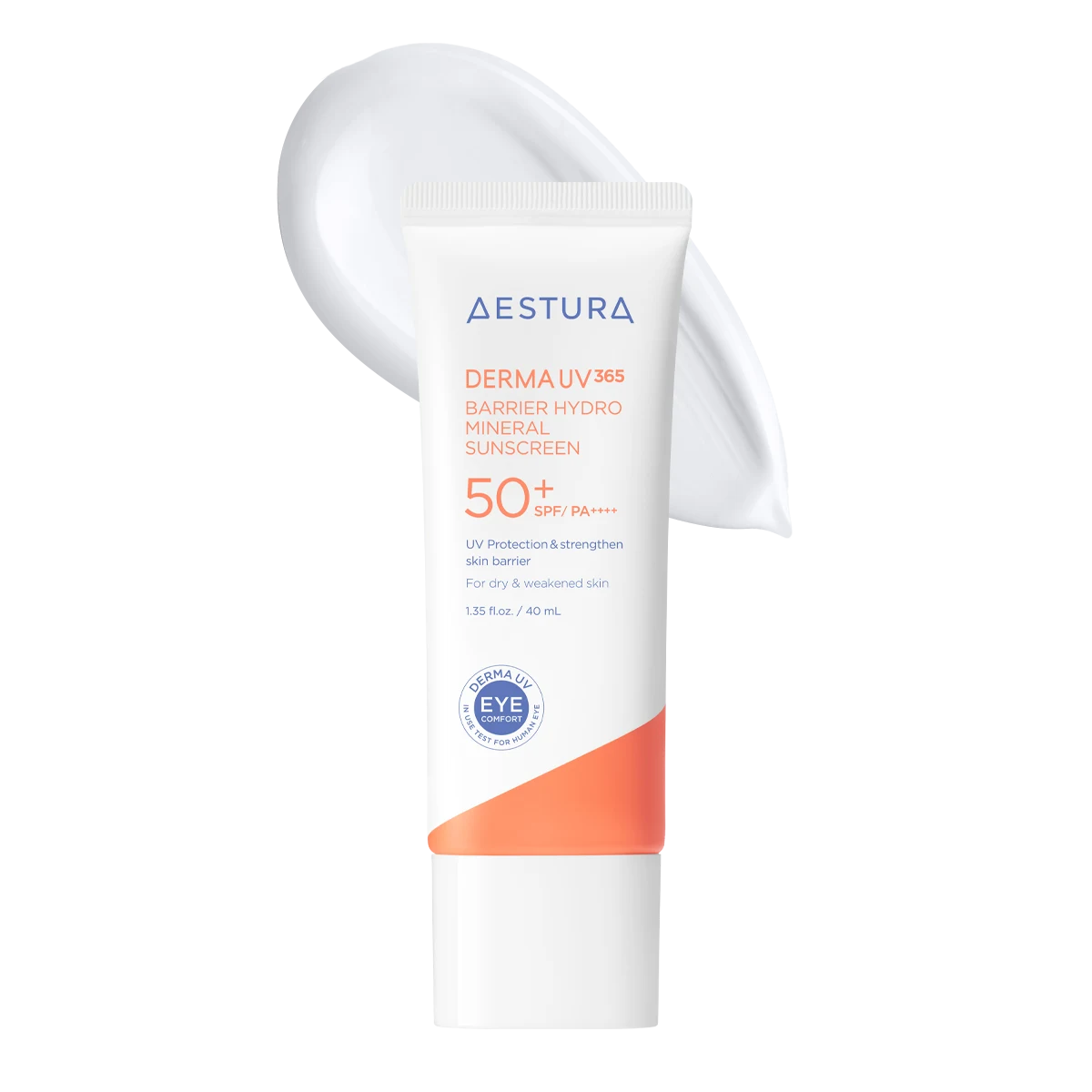
Cast comes from inorganic UV filters — zinc oxide and titanium dioxide — sitting on the surface and scattering visible light. Korean sunscreens are frequently chemical-filter or hybrid formulas using filters approved in Korea and the EU, which are far less likely to cast than a high-zinc Australian formula. In practice, deeper skin often gets a *better* cosmetic result from a Korean chemical or hybrid sunscreen than from a local zinc-heavy one. If a Korean sunscreen does cast, the label will say '무기자차' (inorganic/mineral) — that's your tell.
'Brightening' does not mean 'lightening'
The Korean functional-cosmetic category 미백 is usually translated as 'whitening', which lands badly in English and describes something different from what the formula does. These products work on excess melanin production triggered by inflammation or UV — niacinamide, tranexamic acid, alpha-arbutin, vitamin C. They target unevenness. They do not, and cannot, change your baseline skin tone. If a brand implies otherwise, that's a marketing failure, not chemistry.
Post-inflammatory hyperpigmentation is the real conversation
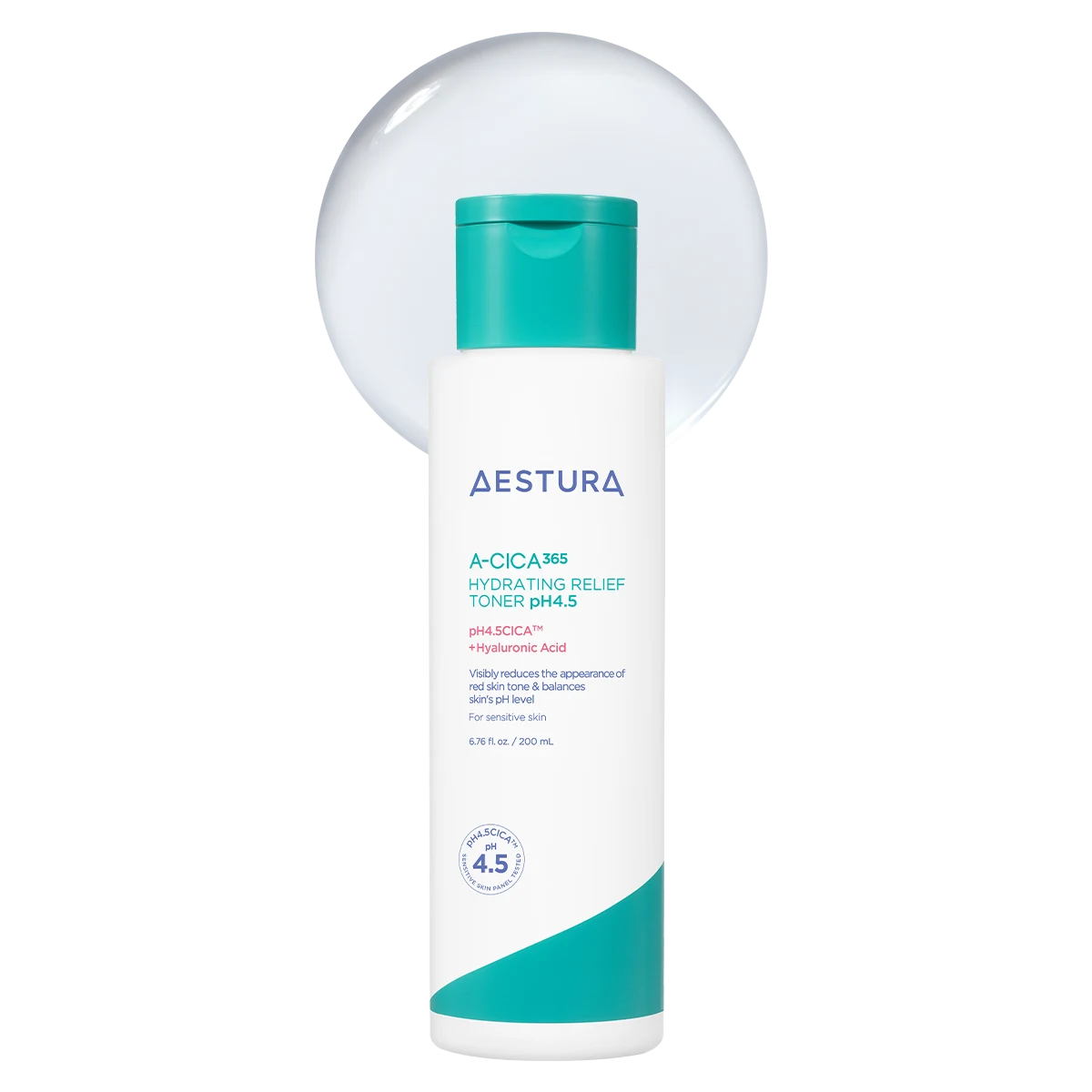
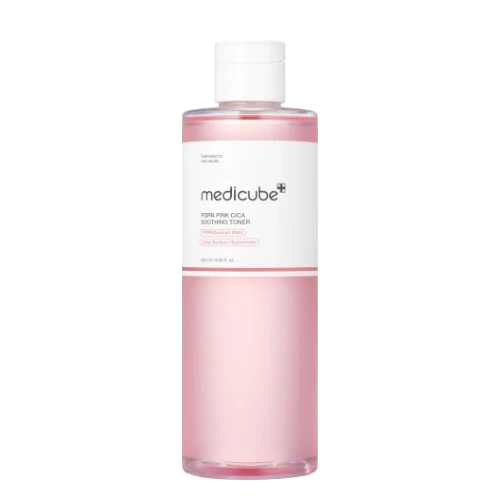
For deeper skin, the most common pigment concern isn't sun spots — it's PIH: the brown mark left behind after a pimple, an ingrown, a scratch, or an over-aggressive exfoliation. PIH is an inflammation response, which means the most effective strategy is preventative, not corrective. Calm the inflammation early (centella, panthenol, madecassoside), protect daily with SPF so the mark doesn't darken further, and only then layer a pigment-specific active. Reversing the order is why so many people spend months on vitamin C and see nothing.
Where over-exfoliation does the most damage
Melanin-rich skin is not 'tougher'. It's more reactive in one specific way: any injury that triggers inflammation is more likely to leave visible pigment. That makes the TikTok pattern of daily acid toners plus a retinal plus a scrub genuinely risky here. Our standing guidance is chemical exfoliation no more than twice a week, one active introduced at a time, with a minimum two-week gap between additions.
What we do about it
Every sunscreen we stock is swatched on multiple skin tones before it goes on the shelf, and we say plainly in the listing whether there's a cast. We translate 미백 as 'tone-evening', not 'whitening'. And where a product's Korean marketing leans on language that doesn't translate, we rewrite it rather than paste it.
What we read
- Olive Young 2026 top ingredient benefit groups (Korean consumer purchase behaviour)
- TGA — Australian Regulatory Guidelines for Sunscreens (ARGS)
- Daily best-seller tracking across Olive Young Korea, Hwahae, Olive Young Global
Educational only — not medical advice. Persistent or severe skin concerns deserve a dermatologist.
Shop this article
In-stock in our Melbourne warehouse — order by 12pm and it’s on your doorstep tomorrow across metro Australia.
Keep reading
Concern · Sensitivity
Why Australian Skin Barriers Struggle More Than Korean Skin
Aircon, harder water and extreme UV — the climate case, with numbers.
6 min read
Concern · Pigmentation
Uneven Tone, Not “Whitening”: Getting The Language Right
What the Korean label actually claims, and what to look for when you want brightness.
5 min read
Ingredient · Regulation
TGA vs Korean Sunscreen Standards, Decoded
Filters, testing and water resistance, compared side by side — and why labels differ.
7 min read