Origin story · Heartleaf
Heartleaf (Houttuynia Cordata): The Weed That Became A Calming Category
Heartleaf — eosuchou (어성초), literally 'fishy-smelling herb' — grows wild across Korea and Japan and was used as a poultice long before it anchored a modern soothing category. It is the ingredient behind most of the current oily-sensitive skincare boom.
6 min read · Skin Grocer Curation Desk
Where it comes from
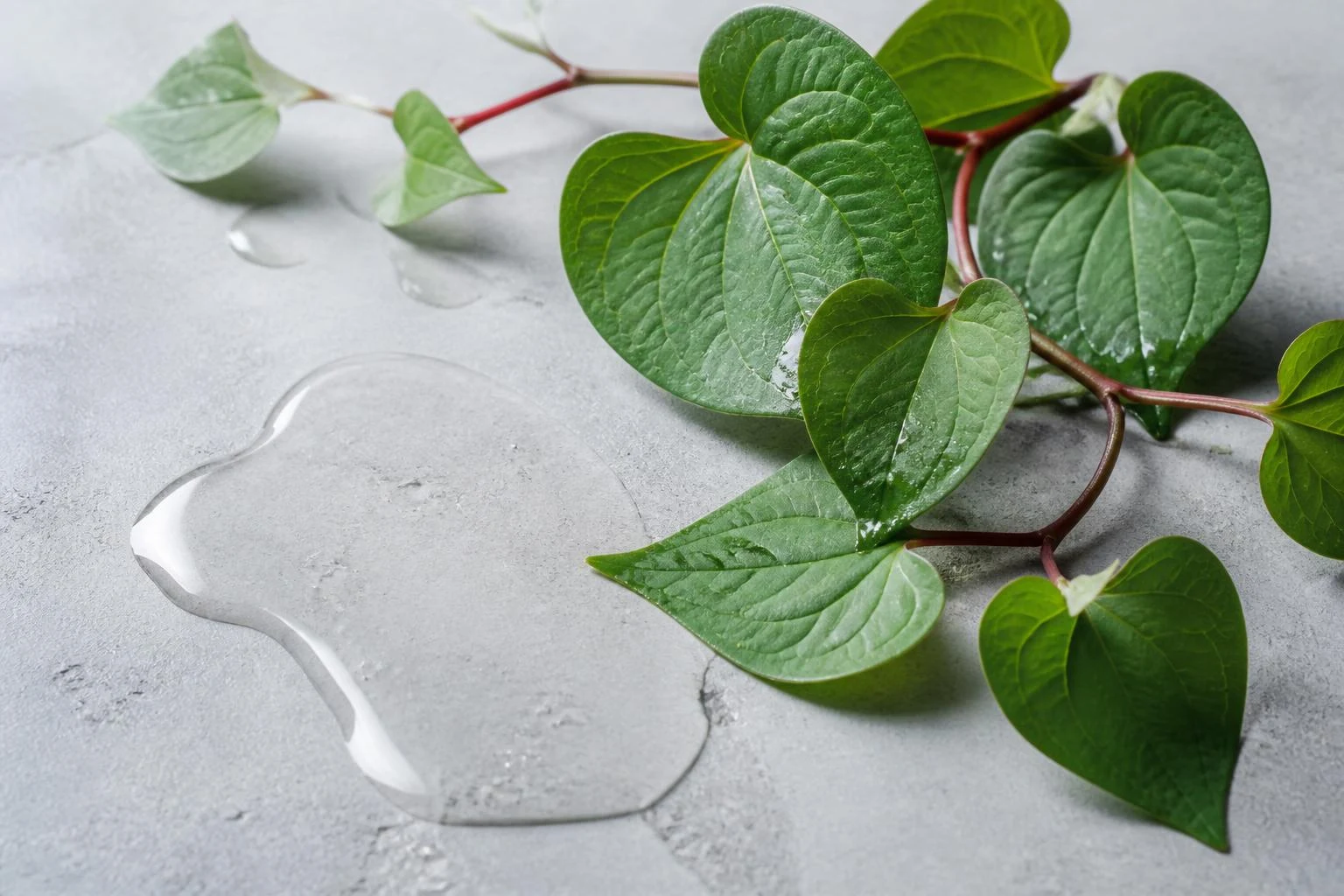
Houttuynia cordata is a hardy creeping plant found across East Asia. In Korean and Japanese folk medicine it was brewed as tea and applied as a poultice for inflammation, boils and skin eruptions — the raw leaf's strong smell is where its Korean name comes from. Modern cosmetic extracts are purified and deodorised, which is why a heartleaf toner smells of almost nothing.
What it does on skin
Heartleaf extract is used to calm the appearance of redness and to support skin that is simultaneously oily and sensitive — a combination Western skincare historically handled badly by pushing harsh actives. Its usable actives include quercitrin and other flavonoids. Formulas are usually watery, fragrance-free and high-percentage: 70–80% extract toners are common.
Why it took over Korean shelves
It solved a real gap. Oily-sensitive skin needed something that reduced visible irritation without occlusion or alcohol, and heartleaf delivers a light, comfortable feel at high concentration for a low ingredient cost. That combination made it the anchor for entire brand lines rather than a single hero product, and it is now a staple in the Korean soothing category alongside centella.
How to use it in Australia
It works as a daily hydrating toner step morning and night, especially in Sydney, Brisbane and Perth summers where heavier soothing creams feel unbearable. Pair it with a light gel moisturiser and sunscreen. It layers safely with niacinamide, hyaluronic acid, panthenol and BHA, and it is a good buffer product on nights you use a stronger active.
Honest limits
Heartleaf is a soother, not an acne treatment. It will not clear comedones, it will not replace benzoyl peroxide or a prescription retinoid, and marketing that implies it treats acne is overreaching. Use it to keep skin calm while a real treatment does the work.
What we read
- Hwahae (화해) — Korea's largest beauty review platform, 2026 trend report
- Olive Young 2026 top ingredient benefit groups (Korean consumer purchase behaviour)
- Korean MFDS — functional cosmetics ingredient framework (기능성화장품)
Educational only — not medical advice. Persistent or severe skin concerns deserve a dermatologist.
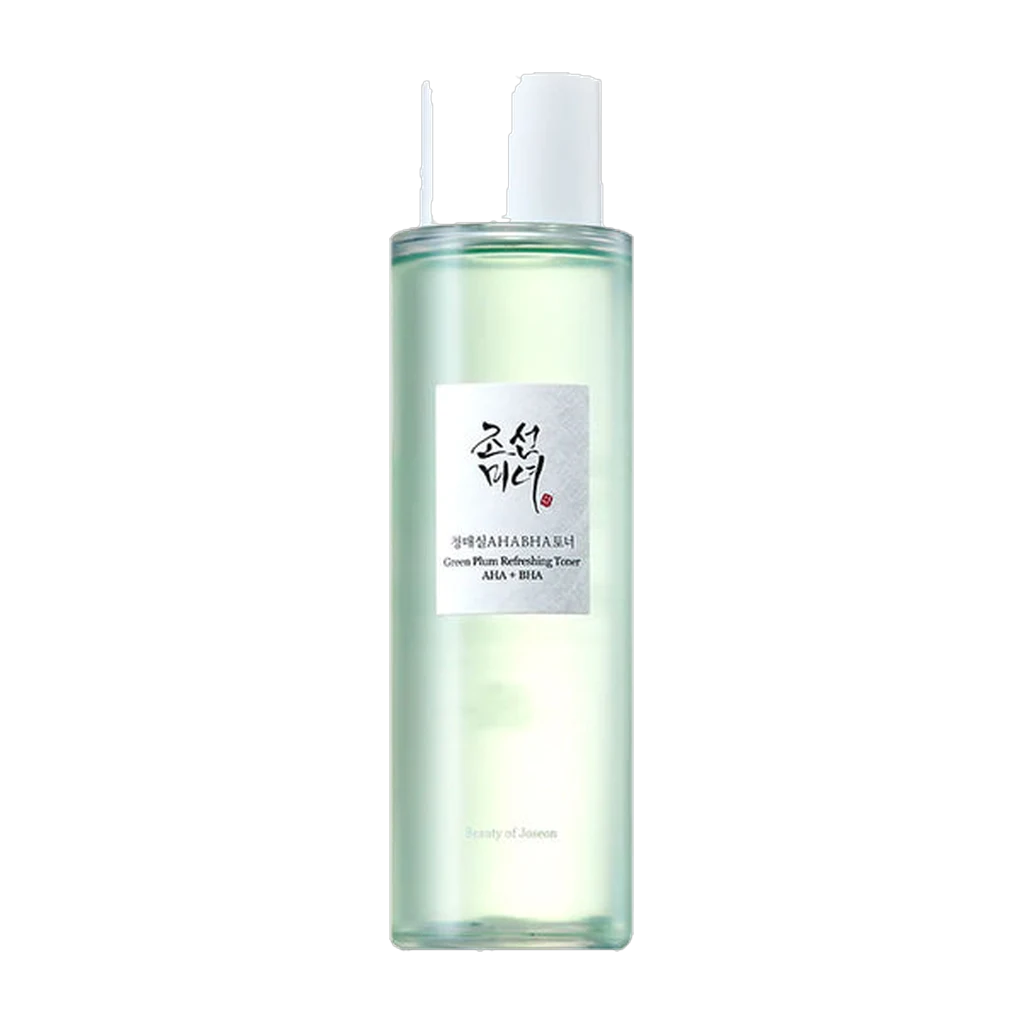
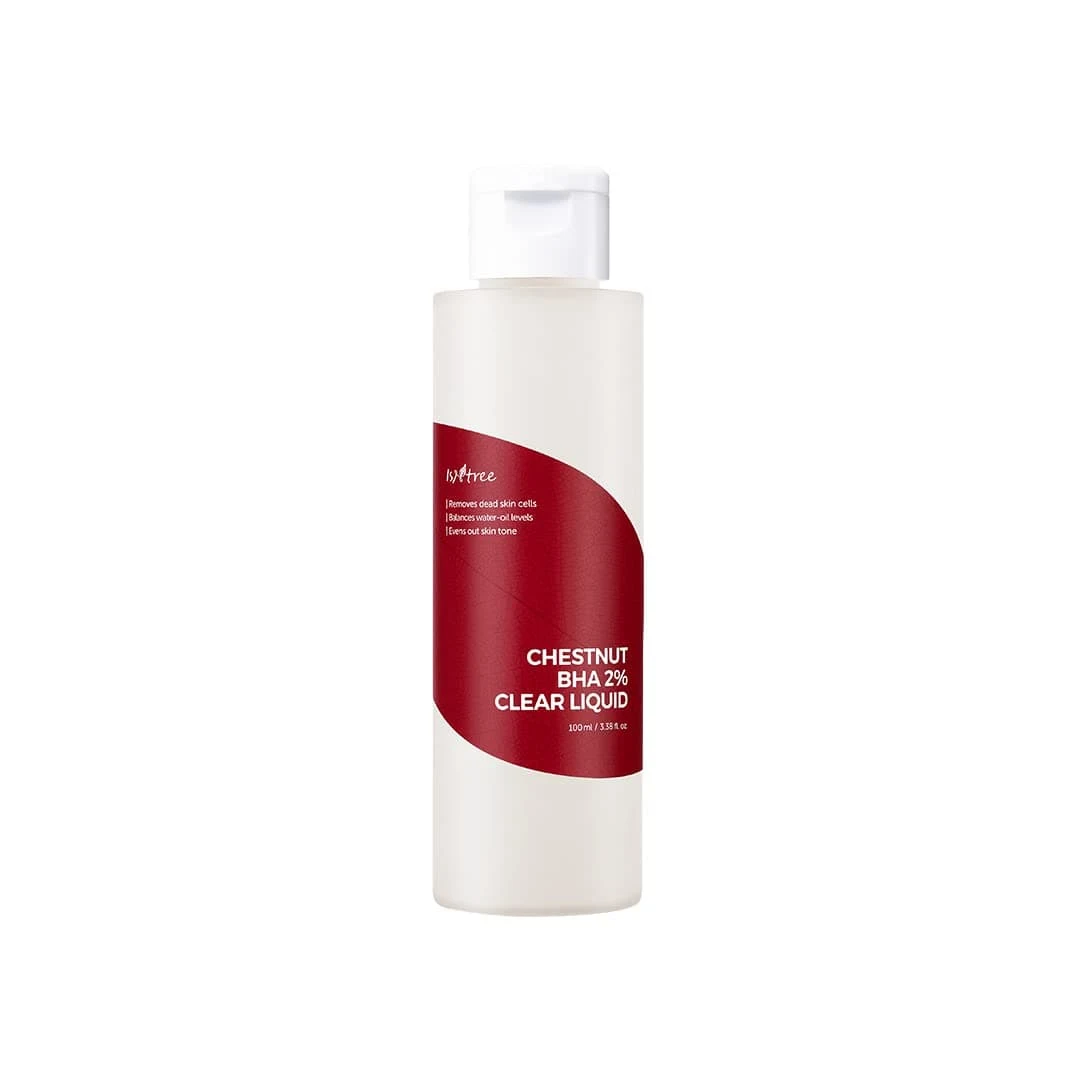
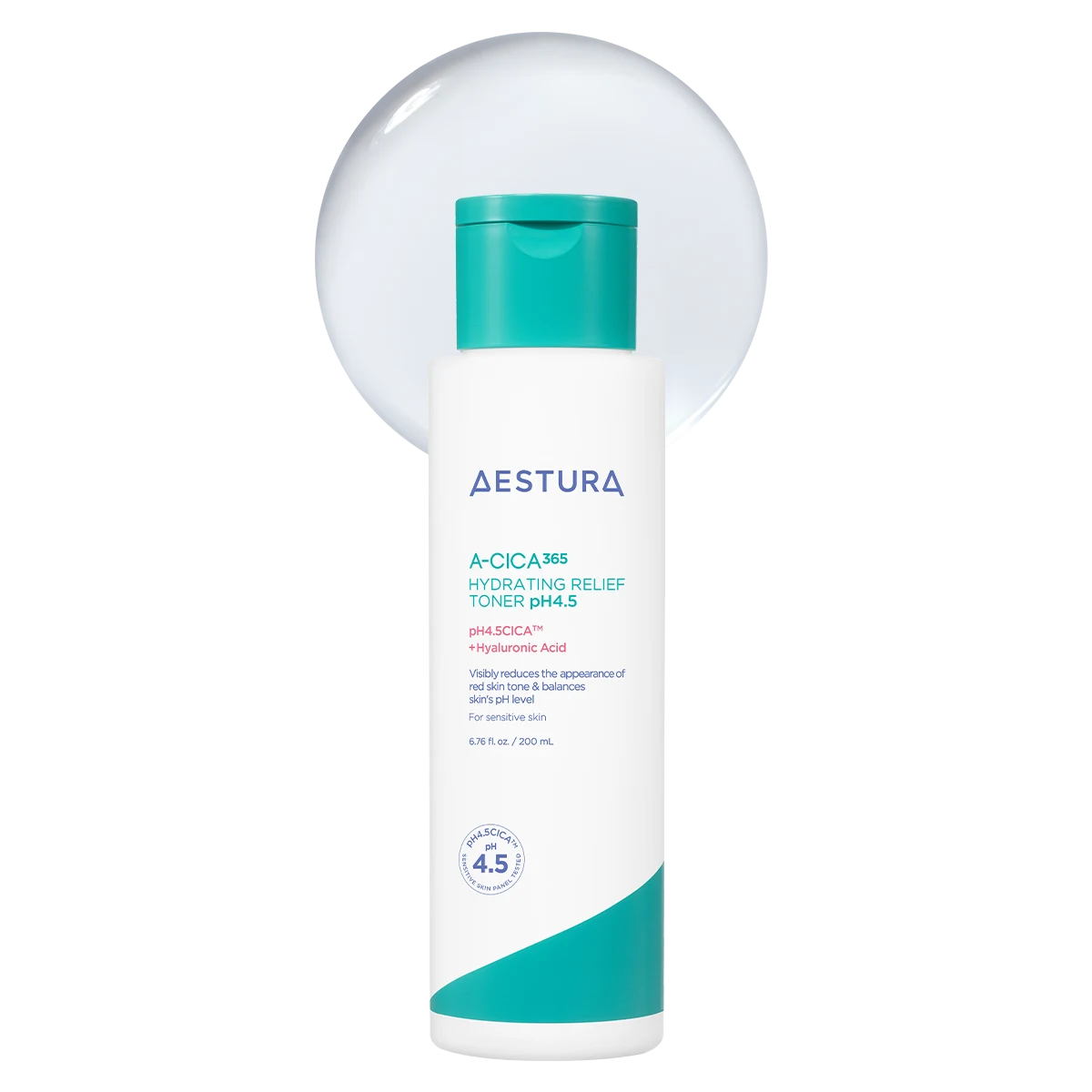
Shop this article
In-stock in our Melbourne warehouse — order by 12pm and it’s on your doorstep tomorrow across metro Australia.
Keep reading
Origin story · Mugwort
Mugwort (쑥): From Korean Founding Myth To Calming Ampoule
Why ssuk is in every Korean soothing line, and what it can and can't do.
6 min read
Ingredient · Barrier
Centella Asiatica: Why It's In Almost Everything We Stock
Cica isn't a trend in Korea — it's the default baseline for daily skin insurance.
5 min read
Routine · Order
The Correct Layering Order For Humid Australian Summers
When Korean seven-step logic breaks down at 35°C, and what to do instead.
5 min read