Origin story · Mugwort
Mugwort (쑥): From Korean Founding Myth To Calming Ampoule
Mugwort — ssuk (쑥) — appears in Korea's founding myth, in bathhouse steam rooms, in rice cakes and now in about half the country's soothing skincare. The tradition is real. So is the limit of what it does.
6 min read · Skin Grocer Curation Desk
Where it comes from
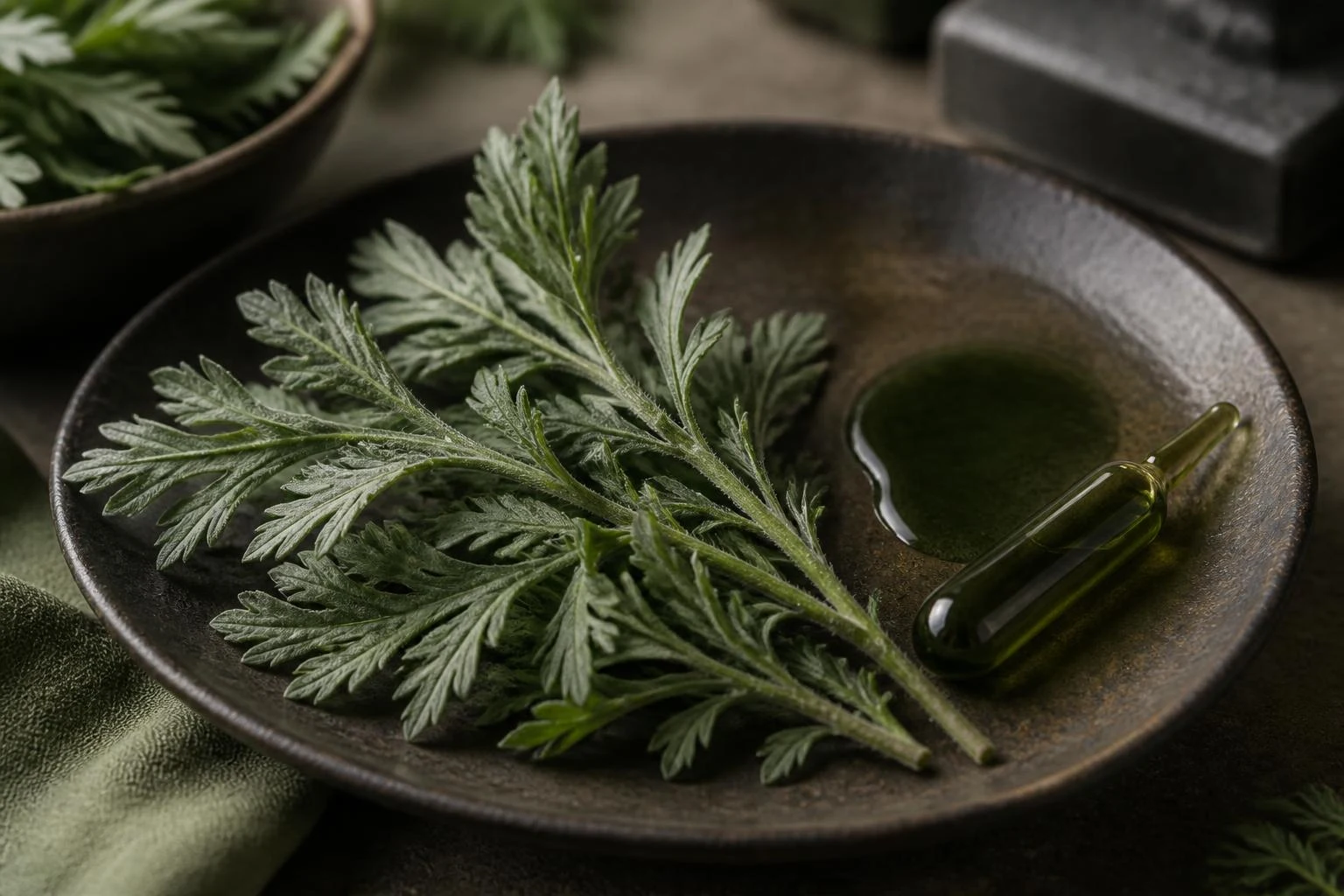
Artemisia is woven through Korean daily life: the Dangun founding myth has a bear eating mugwort and garlic to become human; ssuk-tteok (mugwort rice cake) is eaten seasonally; and ssuk steam baths (좌훈) have been used for generations. Skincare inherited it directly from that folk-medicine context, and the best-known modern versions use mugwort grown on Ganghwa Island, prized domestically for its potency.
What it does on skin
Mugwort extract is used as a soothing and antioxidant ingredient. Its useful fractions include flavonoids and chlorogenic acid, and it is typically formulated at high percentages in essences, ampoules and masks aimed at visibly reactive, red or post-breakout skin. It calms the look of irritation and supports a comfortable barrier. It does not treat eczema, rosacea or dermatitis — those are medical conditions and belong with a doctor.
Mugwort versus centella
They overlap but are not interchangeable. Centella (cica) is the better-studied barrier-recovery ingredient and the safer default for compromised skin. Mugwort is the more astringent, slightly more 'active-feeling' soother, often preferred by oily and congested skin because the textures are usually lighter and less occlusive. If your skin is stinging and broken, start with centella. If your skin is oily, reactive and congested, mugwort suits better.
How to use it in Australia
Evening, after cleansing, as a first hydrating layer or a treatment ampoule. Mugwort products are often fragrance-light and low-pH, which makes them useful during Australian summer when heat rash and post-sun redness are common. Do not use a mugwort essence as your only moisturiser — it soothes, it does not seal.
Who should skip it
Mugwort is in the Asteraceae family alongside ragweed and chamomile. If you have hay fever triggered by ragweed or a known daisy-family allergy, patch test on the inner forearm for three days first.
What we read
- Hwahae (화해) — Korea's largest beauty review platform, 2026 trend report
- Olive Young 2026 top ingredient benefit groups (Korean consumer purchase behaviour)
Educational only — not medical advice. Persistent or severe skin concerns deserve a dermatologist.
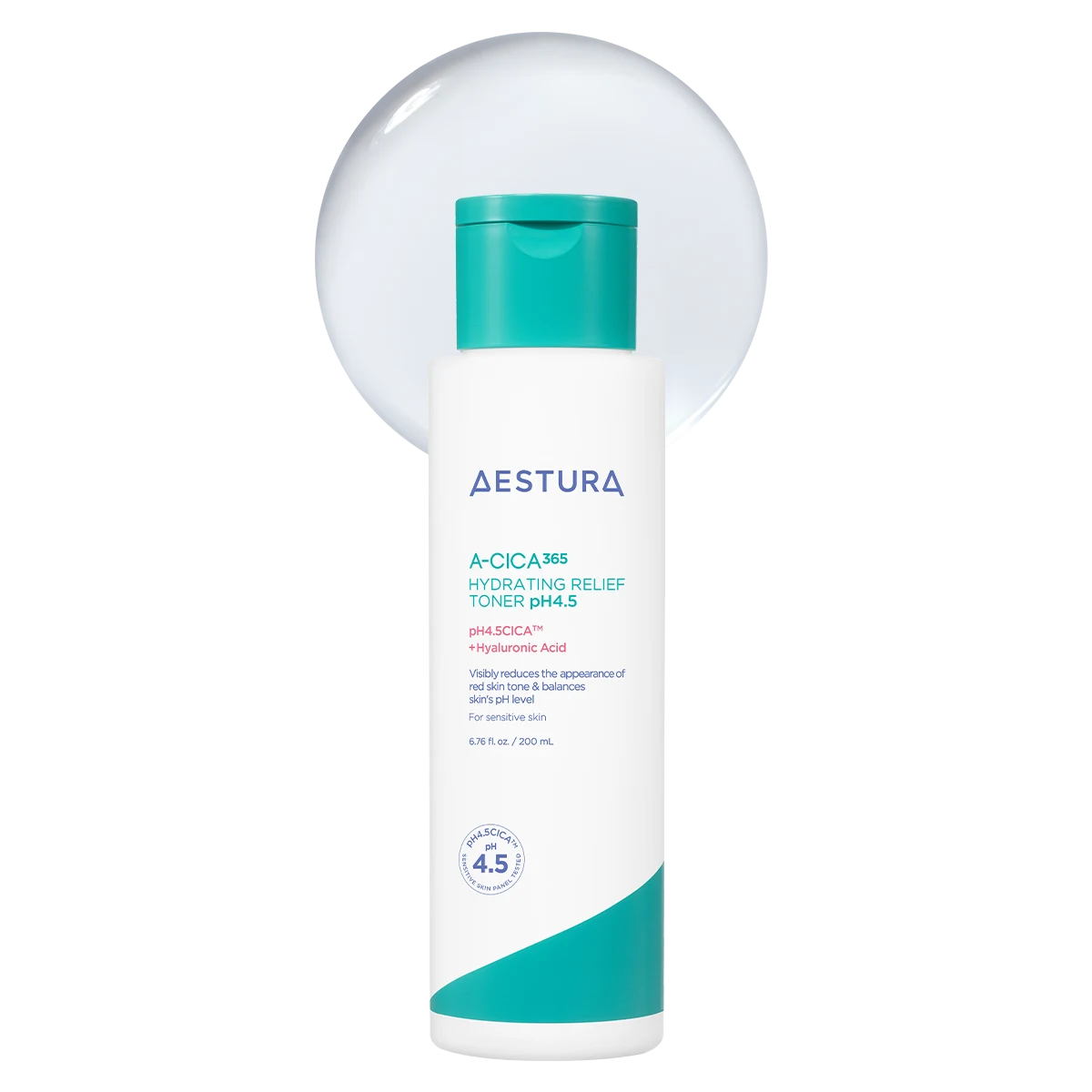
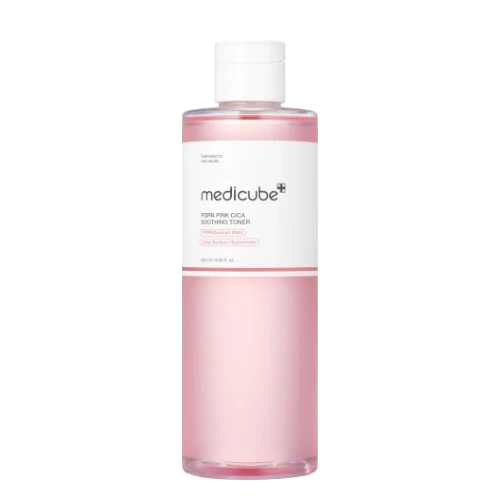
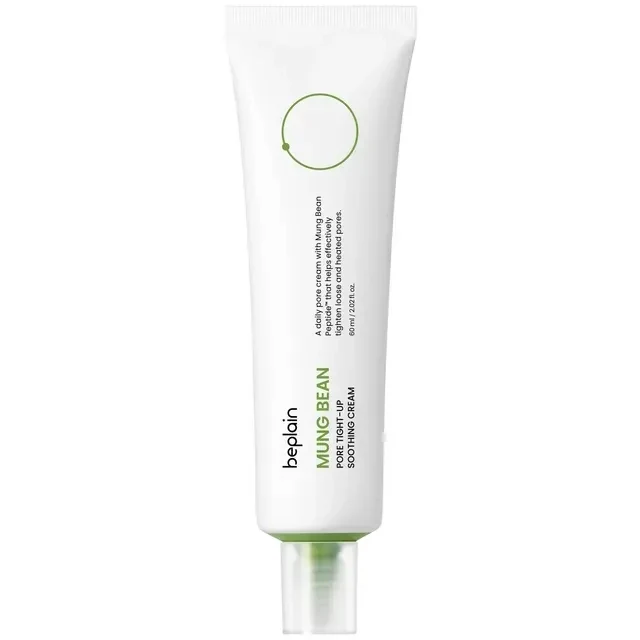
Shop this article
In-stock in our Melbourne warehouse — order by 12pm and it’s on your doorstep tomorrow across metro Australia.
Keep reading
Ingredient · Barrier
Centella Asiatica: Why It's In Almost Everything We Stock
Cica isn't a trend in Korea — it's the default baseline for daily skin insurance.
5 min read
Concern · Sensitivity
Why Australian Skin Barriers Struggle More Than Korean Skin
Aircon, harder water and extreme UV — the climate case, with numbers.
6 min read
Origin story · Heartleaf
Heartleaf (Houttuynia Cordata): The Weed That Became A Calming Category
Eosuchou's folk-medicine roots, its role in oily-sensitive routines, and honest limits.
6 min read