Ingredient · Active
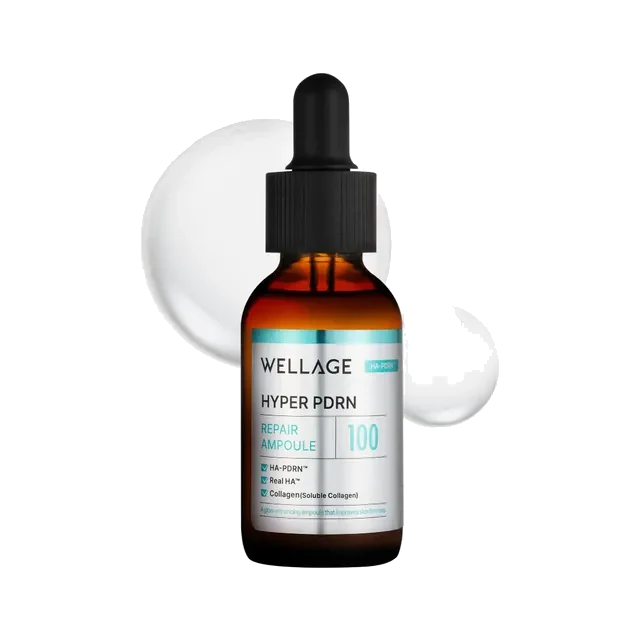
PDRN: What Salmon DNA Actually Does For Your Skin
PDRN reviews on Olive Young grew 103% in six months. It arrived from dermatology clinics, not from social media — which is exactly why it's worth understanding properly.
6 min read · Skin Grocer Curation Desk
Where it came from
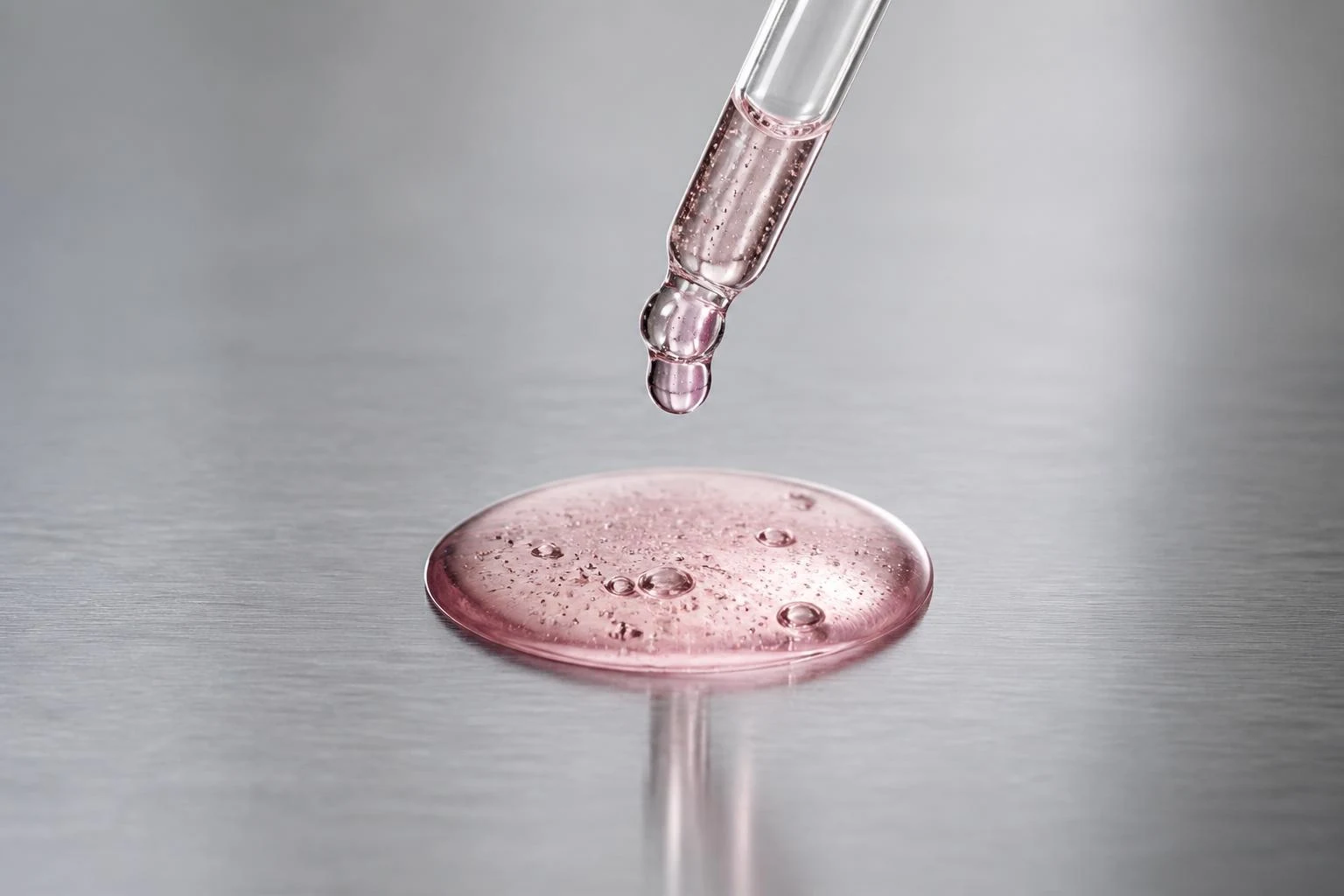
Polydeoxyribonucleotide is a fragmented DNA chain, most commonly sourced from salmon milt because its nucleotide sequence is highly compatible with human DNA. In Korea it entered skincare sideways: it was already used in injectable skin-booster treatments (the ones marketed as 'salmon DNA' facials) before brands began formulating it into serums. That clinic-to-shelf pathway is the defining K-beauty pattern of 2025–26, alongside exosomes and spicules.
What it plausibly does topically
In injectable form, PDRN activates adenosine A2A receptors, which supports fibroblast activity and modulates inflammation. Topically, the picture is more modest: the molecule is large, penetration is limited, and most retail formulas are supplying a hydrating, soothing, film-forming benefit alongside whatever receptor activity is achieved. Users consistently report plumpness, calmer redness and better bounce over four to eight weeks. What you should not expect is an injectable result from a $40 serum — and the better Korean brands don't claim one.
How Korean shoppers actually use it
Not as a hero-of-everything. PDRN sits in the 'maintenance and recovery' slot: after a procedure, during barrier repair, or as an early-thirties preventative step before visible laxity appears. It's typically layered under a ceramide cream at night, and it is not stacked with strong acids on the same evening.
Who it suits
Skin that is fatigued, dehydrated, post-procedure, or in that early stage where firmness is starting to shift. It's well tolerated by sensitive skin, which is part of the appeal. If you're dealing with active cystic acne or a badly damaged barrier, fix that first — PDRN is a maintenance ingredient, not a rescue one.
How to read the label
Look for PDRN or sodium DNA reasonably high in the INCI list, not as the last ingredient before the preservative. Note whether the brand states a percentage or a source. And check the rest of the formula — a good PDRN serum earns its keep through the supporting cast (panthenol, ceramides, peptides) as much as the headline active.
What we read
- Trendier AI — PDRN reviews +103%, exosome reviews +229% on Olive Young
- Daily best-seller tracking across Olive Young Korea, Hwahae, Olive Young Global
- Cosmo Beauty Seoul 2026 K-Beauty Trend Report (4,700+ products analysed)
Educational only — not medical advice. Persistent or severe skin concerns deserve a dermatologist.
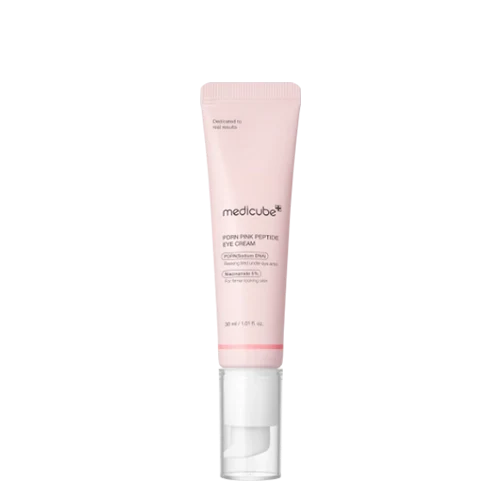
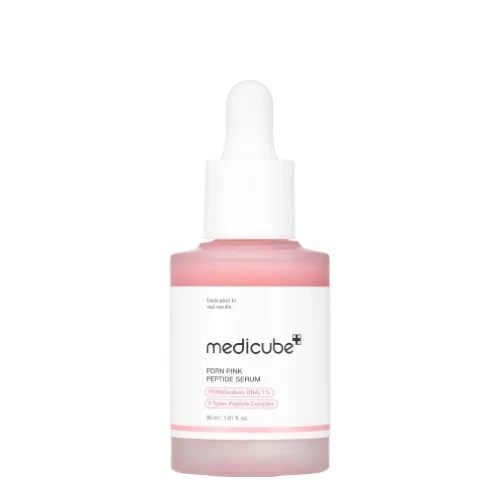
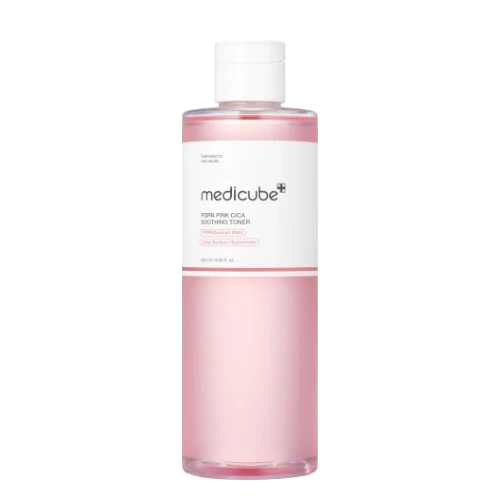
Shop this article
In-stock in our Melbourne warehouse — order by 12pm and it’s on your doorstep tomorrow across metro Australia.
Keep reading
Ingredient · Barrier
Centella Asiatica: Why It's In Almost Everything We Stock
Cica isn't a trend in Korea — it's the default baseline for daily skin insurance.
5 min read
Seoul Signal · Philosophy
미리 관리: Korea's Prevention-First Skincare Philosophy
The idea that reframes everything — fix it before it becomes a problem.
7 min read
Seoul Signal · Data
What's Actually Selling In Seoul (And What's Only Big On TikTok)
The gap between domestic Korean demand and the global K-beauty feed, in numbers.
6 min read