Seoul Signal · Data
What's Actually Selling In Seoul (And What's Only Big On TikTok)
There is a measurable gap between what Korean women buy and what the internet says Korean women buy. Reading the domestic data instead of the feed is the single most useful thing an Australian shopper can do.
6 min read · Skin Grocer Curation Desk
The local-versus-global gap is real and documented
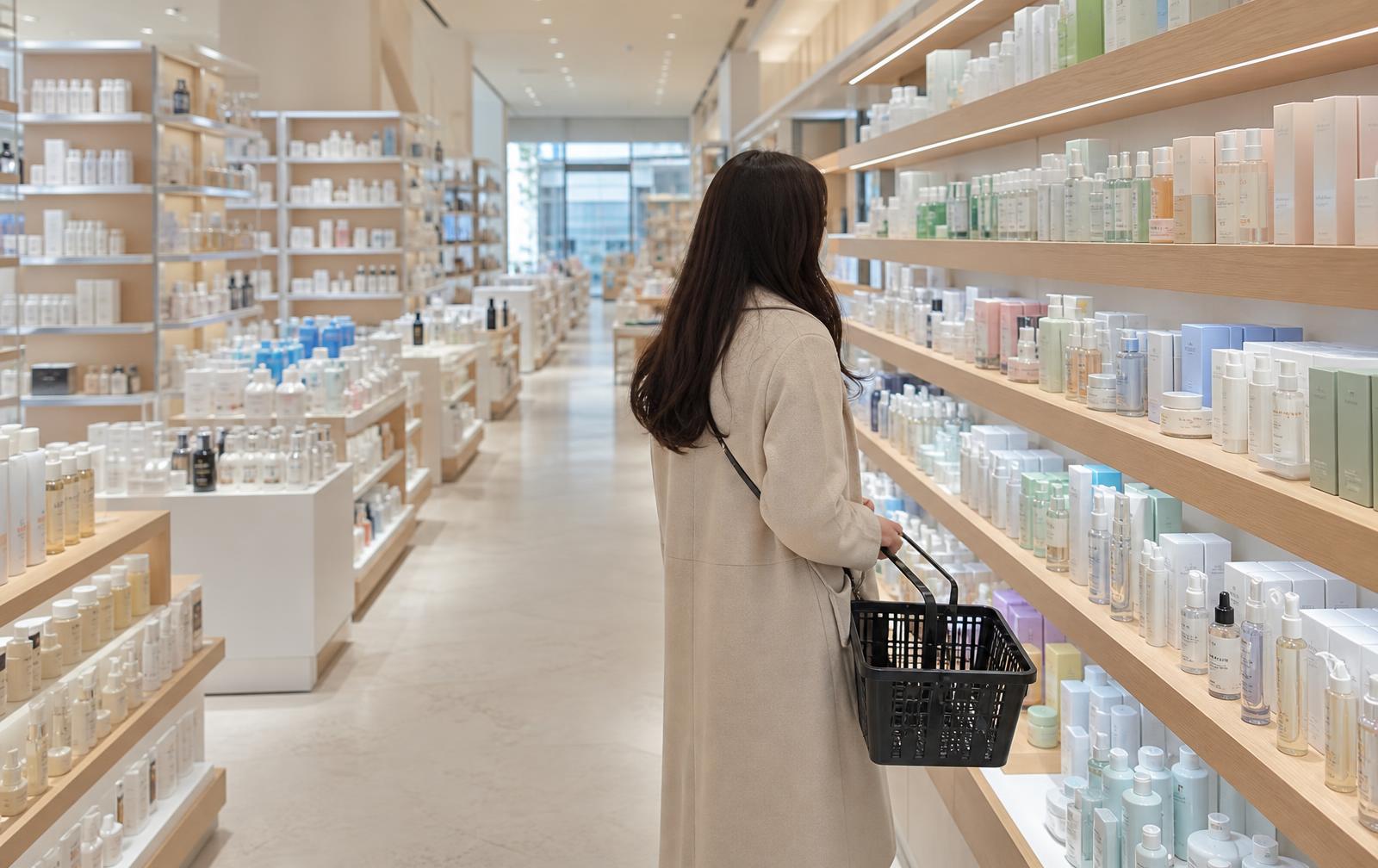
Some brands with enormous international visibility barely register in Korean domestic rankings; the reverse is also true. It's common enough that Korean beauty platforms now publish guidance on how to check whether a brand is genuinely used at home, and r/KoreanBeauty threads asking 'is this actually popular in Korea?' appear constantly. The mechanism is simple: a brand can build a global-first business on export marketing without ever winning a Seoul shelf.
How to check for yourself
Three domestic signals. Hwahae ranking and review volume — Korean-language reviews, not translated ones. Olive Young Korea's category best-sellers, which are transaction-driven rather than editorial. And whether the brand holds physical shelf space in Olive Young stores at all, since roughly 85% of the domestic market runs through them. A brand strong on all three is genuinely used at home.
What the domestic data is showing right now
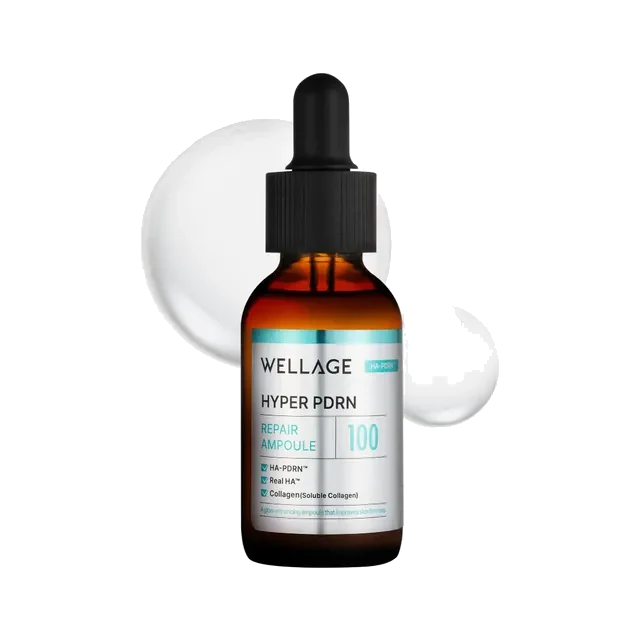
Clinic-derived actives are the defining movement: PDRN product counts up around 43% with reviews up 103%, and exosome reviews up 229% over six months on Olive Young. Soothing and barrier categories continue to lead overall purchase volume. Sunscreen, serums and ampoules remain the strongest categories in trend reporting. Notably, skincare accounted for around 60% of exhibitor submissions at Cosmo Beauty Seoul 2026 — the market is still fundamentally a skincare market, not a makeup one.
What travels badly
Ten-step maximalism, which most Korean shoppers abandoned years ago. Aggressive daily exfoliation, which runs directly counter to the prevention-first norm. And single-product miracle framing, which the Korean market's ingredient-literate shoppers largely ignore. When a routine goes viral internationally, it's worth checking whether anyone in Seoul is actually doing it.
Where Australia sits
Historically we've received the global-marketing version of K-beauty twelve to eighteen months after Korean shelves — filtered through whichever products were easiest to export. Our sourcing brief is the opposite: track the domestic rankings, cross-check Hwahae review volume, then bring in what Korean women are actually repurchasing. Not what's trending in a fifteen-second video.
What we read
- Hwahae (화해) — Korea's largest beauty review platform, 2026 trend report
- Trendier AI — PDRN reviews +103%, exosome reviews +229% on Olive Young
- Daily best-seller tracking across Olive Young Korea, Hwahae, Olive Young Global
- Cosmo Beauty Seoul 2026 K-Beauty Trend Report (4,700+ products analysed)
Educational only — not medical advice. Persistent or severe skin concerns deserve a dermatologist.
Shop this article
In-stock in our Melbourne warehouse — order by 12pm and it’s on your doorstep tomorrow across metro Australia.
Keep reading
Seoul Signal · Philosophy
미리 관리: Korea's Prevention-First Skincare Philosophy
The idea that reframes everything — fix it before it becomes a problem.
7 min read
Ingredient · Active
PDRN: What Salmon DNA Actually Does For Your Skin
The clinic ingredient that moved onto retail shelves — and where to start with it.
6 min read
Ingredient · Barrier
Centella Asiatica: Why It's In Almost Everything We Stock
Cica isn't a trend in Korea — it's the default baseline for daily skin insurance.
5 min read