Ingredient · Regulation
TGA vs Korean Sunscreen Standards, Decoded
Australia regulates sunscreen as a therapeutic good. Korea regulates it as a functional cosmetic. Same bottle, two different legal universes — and it explains almost every confusing thing on a Korean SPF label.
7 min read · Skin Grocer Curation Desk
Two regulators, two philosophies
In Australia, primary sunscreens fall under the TGA and must comply with AS/NZS 2604, including listing on the ARTG and adherence to an approved list of UV filters. In Korea, sunscreen is a 기능성화장품 — a functional cosmetic — regulated by the MFDS. Korea's approved filter list is broader and includes modern filters that have never been submitted for Australian approval, which is a paperwork and commercial issue, not a safety verdict.
Why Korean textures are better
This is the honest answer to 'why does Korean sunscreen feel so much nicer'. Filters like uvinul A Plus, tinosorb S and tinosorb M are photostable, work at lower concentrations and dissolve well in cosmetically elegant bases. Australian formulas lean harder on zinc oxide, which is heavier, chalkier and more likely to cast. It's a formulation-freedom difference, not a diligence difference.
The rating systems, translated
SPF measures UVB protection and reads the same in both markets. UVA is where they diverge: Australia uses a broad-spectrum test against AS/NZS 2604, while Korea uses PA+ through PA++++, based on persistent pigment darkening. PA++++ is the highest grade and roughly corresponds to strong UVA protection. Water resistance in Australia must be substantiated in defined 4-hour terms; Korean labels use their own claims and frequently make none at all — which matters at an Australian beach.
What this means for what you buy
A Korean sunscreen is an excellent daily-wear product: superb texture, high compliance, minimal cast. For a full day outdoors — beach, sport, work site — an Australian-tested, water-resistant SPF50+ remains the right tool, because water resistance is the variable Korean labels rarely substantiate. Many of our customers run both, and we think that's the correct answer rather than a compromise.
How we handle it
We list the filter system for every sunscreen we stock, state the PA grade, and say plainly whether it has substantiated water resistance. Where a Korean SPF is best used as a daily-wear product rather than a beach product, we say so on the listing instead of letting the SPF50+ number do the talking.
What we read
- TGA — Australian Regulatory Guidelines for Sunscreens (ARGS)
- ARPANSA — UV Index and sun protection times for Australia
- Cosmo Beauty Seoul 2026 K-Beauty Trend Report (4,700+ products analysed)
Educational only — not medical advice. Persistent or severe skin concerns deserve a dermatologist.
Shop this article
In-stock in our Melbourne warehouse — order by 12pm and it’s on your doorstep tomorrow across metro Australia.
Browse the full range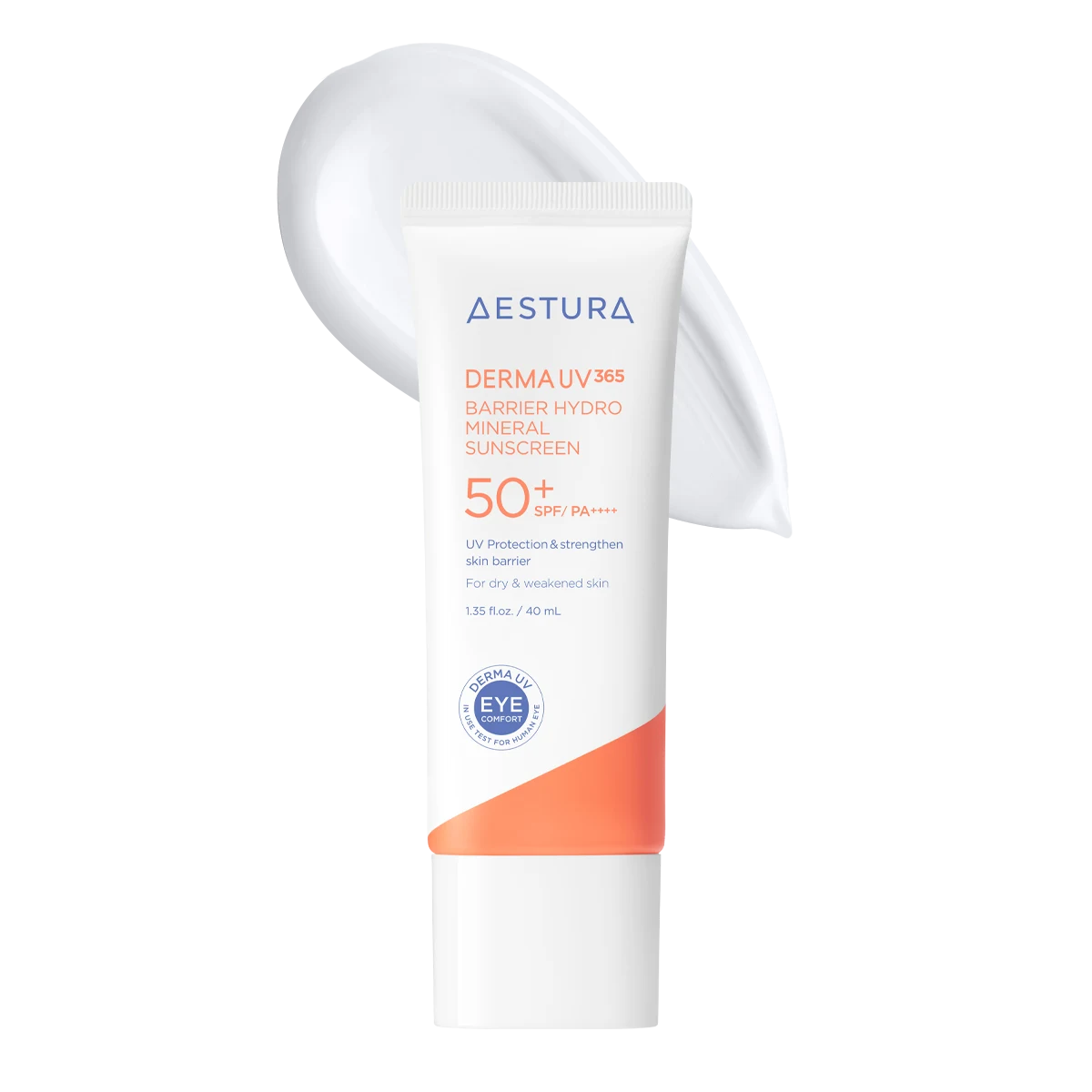
Keep reading
Concern · Tone
K-Beauty On Deeper Skin: What Actually Translates
Cast, brightening claims and pigmentation, honestly assessed for Australian skin.
8 min read
Routine · Order
The Correct Layering Order For Humid Australian Summers
When Korean seven-step logic breaks down at 35°C, and what to do instead.
5 min read
Seoul Signal · Philosophy
미리 관리: Korea's Prevention-First Skincare Philosophy
The idea that reframes everything — fix it before it becomes a problem.
7 min read