Routine · Acids
How Often Melanin-Rich Skin Should Actually Use Acids
The exfoliation advice circulating online was largely written for skin that doesn't pigment in response to irritation. For melanin-rich skin, the calculus is different.
6 min read · Skin Grocer Curation Desk
The core risk
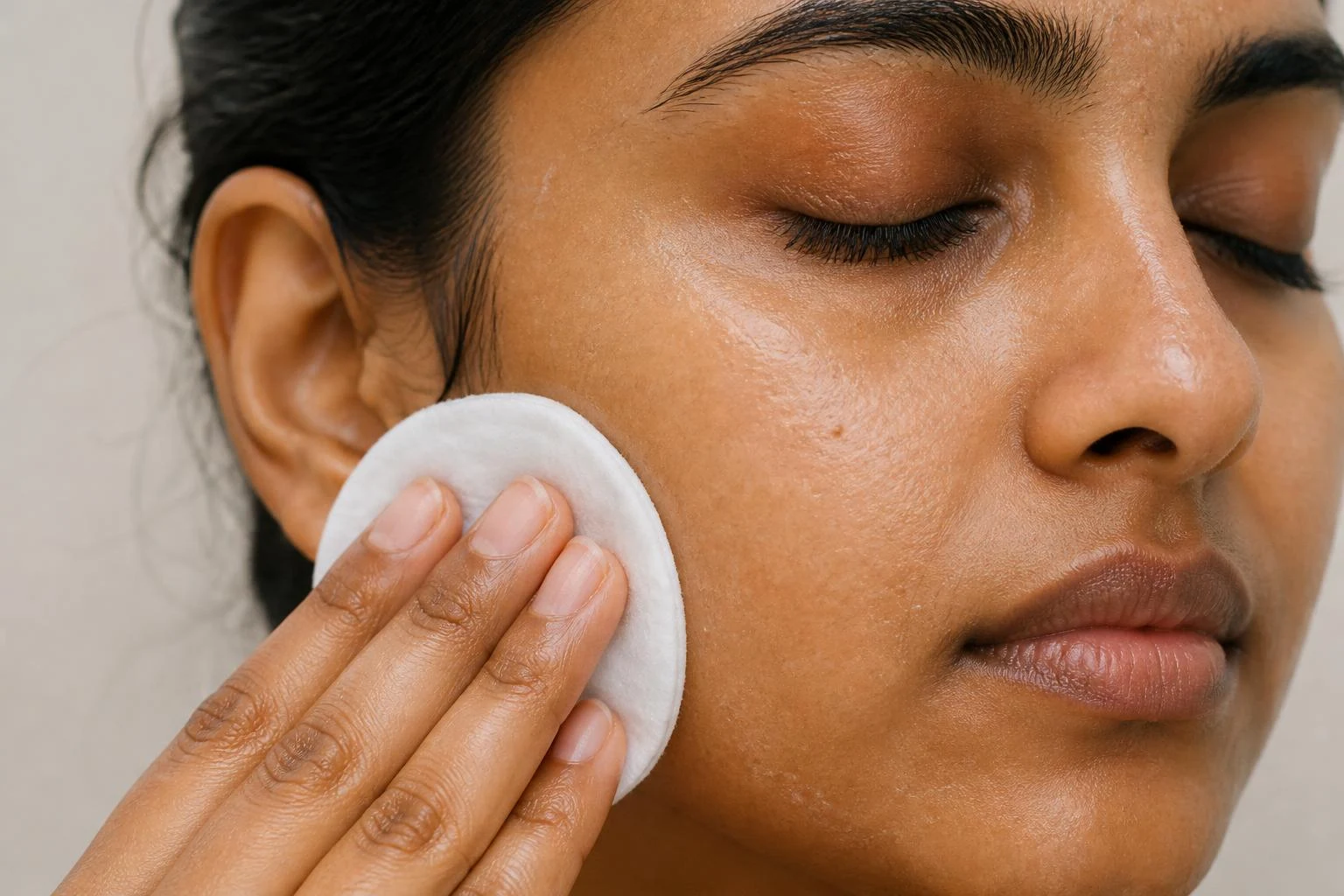
Deeper skin isn't more fragile, but its melanocytes are more responsive to inflammatory signals. Any irritation — chemical burn, over-exfoliation, aggressive scrub — can trigger post-inflammatory hyperpigmentation that outlasts the original problem by months. So the exfoliation question isn't 'what can my skin tolerate today', it's 'what won't leave a mark in six weeks'.
A frequency schedule that works
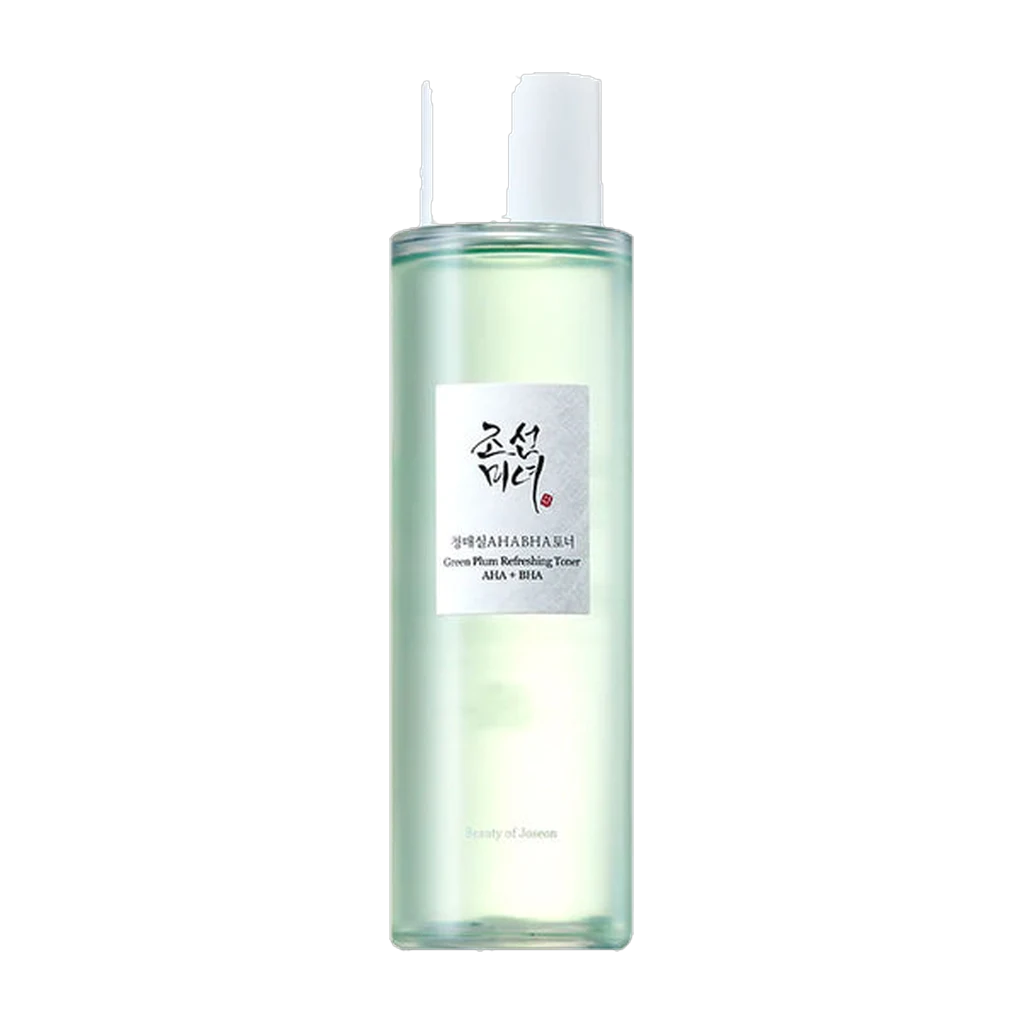
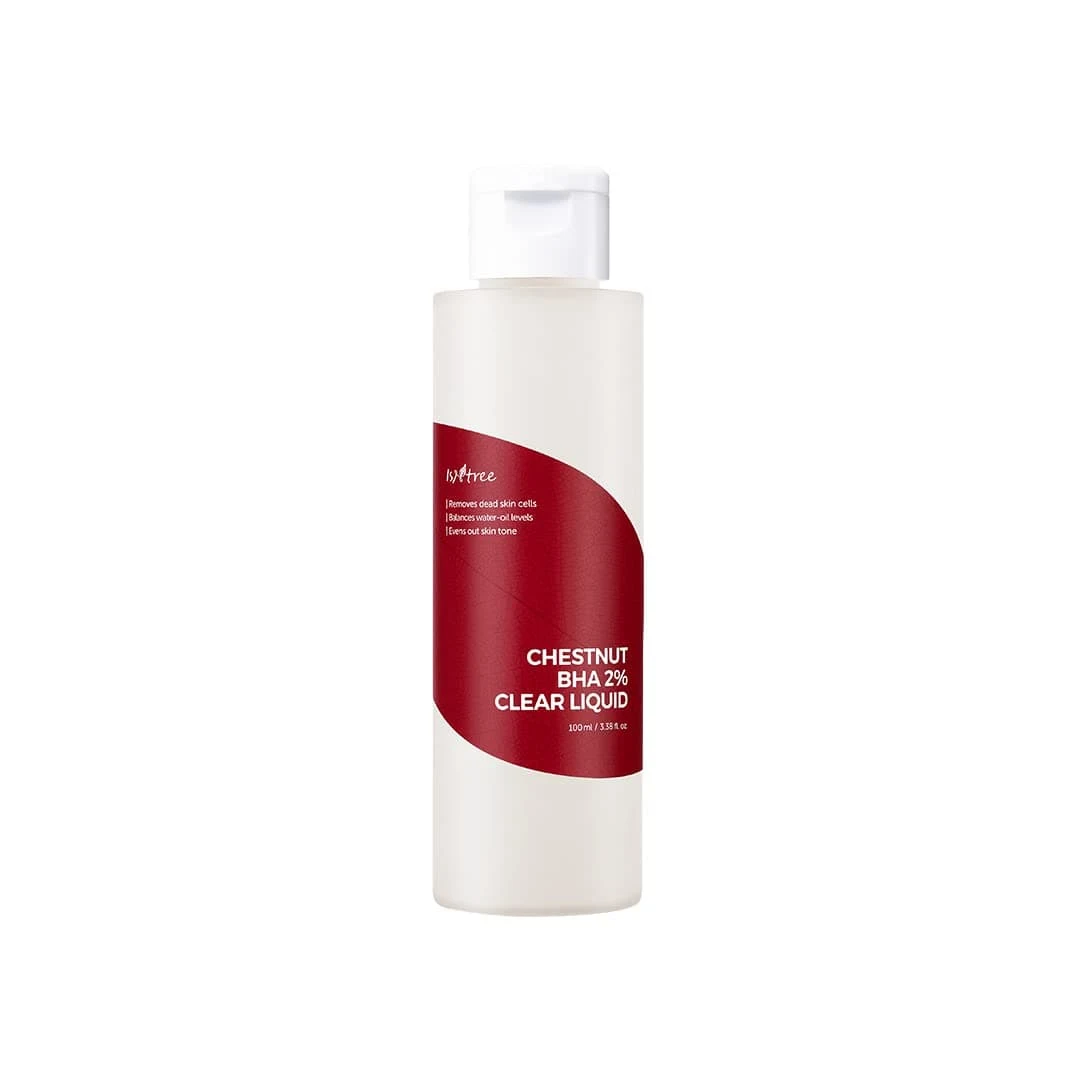
Dry or sensitive skin: a low-strength PHA or lactic acid once weekly, maximum. Normal or combination: a mid-strength AHA once or twice weekly. Oily or congested: BHA (salicylic acid) two to three times weekly, applied only where you're congested rather than across the whole face. Actively breaking out or barrier-compromised: none, until it settles. Nobody needs a daily acid toner, regardless of what the bottle suggests.
Choose the acid for the job
Salicylic acid is oil-soluble and gets into pores — the right choice for blackheads and congestion. Glycolic penetrates fastest and carries the highest irritation risk; it's the one most likely to leave PIH. Lactic and mandelic are larger, slower and gentler, and mandelic in particular is often recommended for deeper skin. PHAs (gluconolactone, lactobionic acid) are the gentlest and also humectant, which suits sensitive skin.
The Korean pattern
Korean routines lean toward frequent gentle care over occasional aggressive care — low-concentration daily-safe formulas, enzyme powders, or a weekly pad rather than a monthly peel. Combined with rigorous sun protection, that's the lower-risk model for anyone who pigments easily.
Non-negotiables
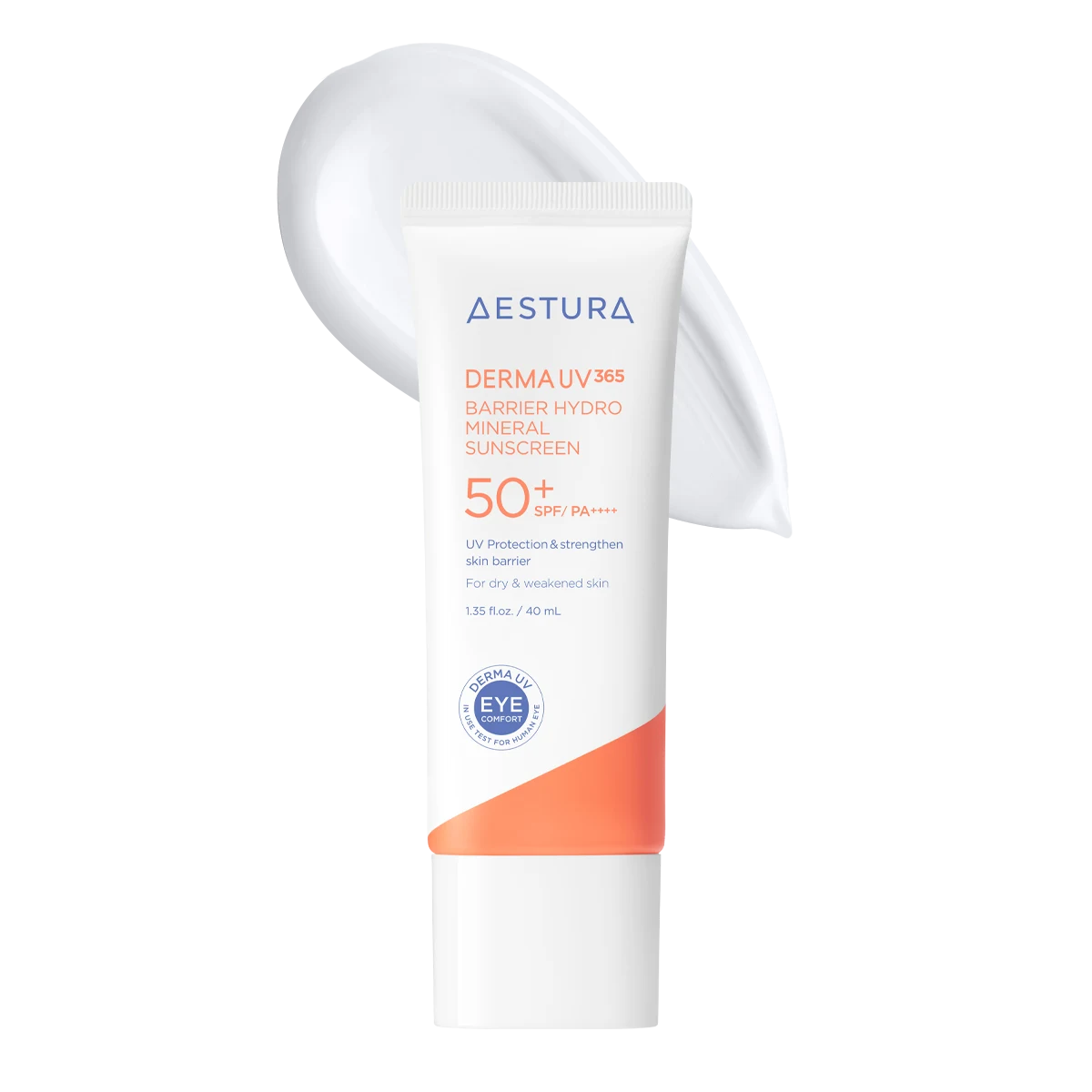
Sunscreen every single day you exfoliate and for the days after. One new active at a time, with a two-week gap. Stop immediately at stinging, tightness or new redness — pushing through is how a two-week problem becomes a six-month one.
What we read
- Olive Young 2026 top ingredient benefit groups (Korean consumer purchase behaviour)
- ARPANSA — UV Index and sun protection times for Australia
- Hwahae (화해) — Korea's largest beauty review platform, 2026 trend report
Educational only — not medical advice. Persistent or severe skin concerns deserve a dermatologist.
Shop this article
In-stock in our Melbourne warehouse — order by 12pm and it’s on your doorstep tomorrow across metro Australia.
Keep reading
Concern · Pigmentation
Uneven Tone, Not “Whitening”: Getting The Language Right
What the Korean label actually claims, and what to look for when you want brightness.
5 min read
Concern · Tone
K-Beauty On Deeper Skin: What Actually Translates
Cast, brightening claims and pigmentation, honestly assessed for Australian skin.
8 min read
Routine · Order
The Correct Layering Order For Humid Australian Summers
When Korean seven-step logic breaks down at 35°C, and what to do instead.
5 min read