Concern · Pigmentation
Uneven Tone, Not “Whitening”: Getting The Language Right
Korea regulates 'whitening' as a functional cosmetic claim with a defined mechanism. Translated straight into English, it says something the product doesn't do — and it puts people off ingredients that would genuinely help them.
5 min read · Skin Grocer Curation Desk
What the Korean claim legally means
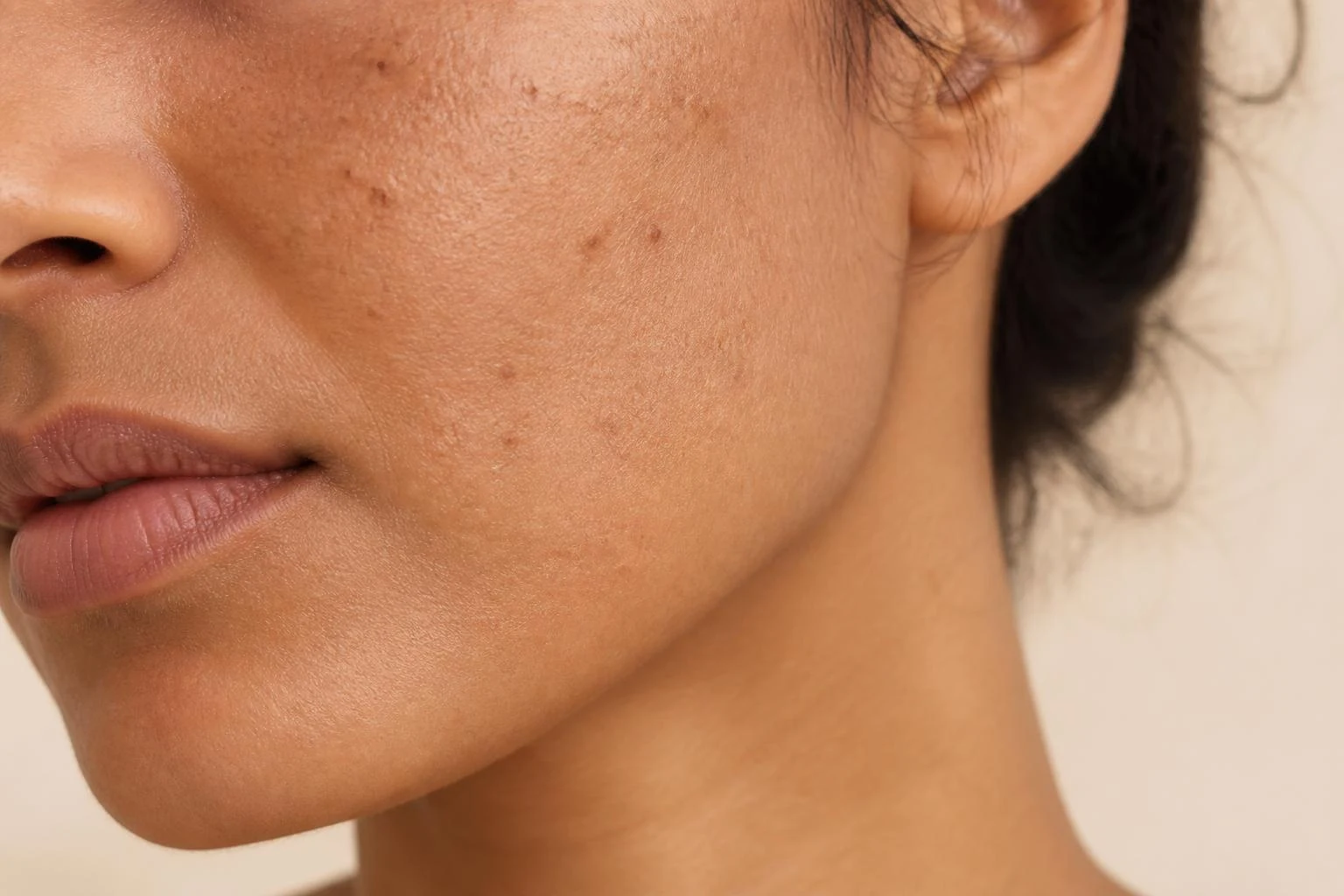
Under Korea's functional cosmetics framework, a 미백 claim requires an approved active at an approved concentration, tested for a specific effect: inhibiting melanin synthesis or supporting the turnover of already-pigmented cells. The approved list is narrow — niacinamide, arbutin, ascorbic acid derivatives, adenosine-adjacent actives. It is a claim about melanin *overproduction*, not about your constitutional skin colour.
Why the English translation is wrong
'Whitening' implies a change of baseline tone. No topical does that, and no reputable Korean formulator claims it does in a clinical brief. We translate the category as tone-evening, and we'd rather lose the search traffic than repeat language that misdescribes the product and carries a history we want no part of.
The four actives worth your money
Niacinamide (2–5%) interrupts the transfer of pigment into skin cells; it's the best tolerated option and the reason it appears in almost everything on Olive Young shelves. Alpha-arbutin (1–2%) is a gentler, more stable relative of hydroquinone chemistry. Tranexamic acid targets the inflammation-driven pathway — the most relevant one for post-acne marks and melasma. Vitamin C, in a stable derivative or a well-packaged L-ascorbic acid, works on existing oxidation and adds daytime antioxidant protection. Pick one or two. Stacking all four is how people end up with irritation and, ironically, more pigment.
What actually determines your result
Sunscreen. Every published protocol for pigmentation improvement assumes daily broad-spectrum protection, because UV re-triggers the exact pathway your active is trying to interrupt. Without it, you are bailing water with the tap running. Realistic timelines with consistent SPF: post-acne marks eight to twelve weeks; sun-driven unevenness three to six months; melasma is a management condition, not a fixable one, and warrants a dermatologist.
The Korean approach to pigment is preventative
In Korea, the pigment conversation happens before the mark appears — anti-inflammatory care after a breakout, immediate sun avoidance after any procedure, and gentle handling rather than aggressive brightening. That's the part worth importing. Prevention is a far higher-yield strategy than trying to erase a mark that took years to form.
What we read
- Olive Young 2026 top ingredient benefit groups (Korean consumer purchase behaviour)
- TGA — Australian Regulatory Guidelines for Sunscreens (ARGS)
- Hwahae (화해) — Korea's largest beauty review platform, 2026 trend report
Educational only — not medical advice. Persistent or severe skin concerns deserve a dermatologist.
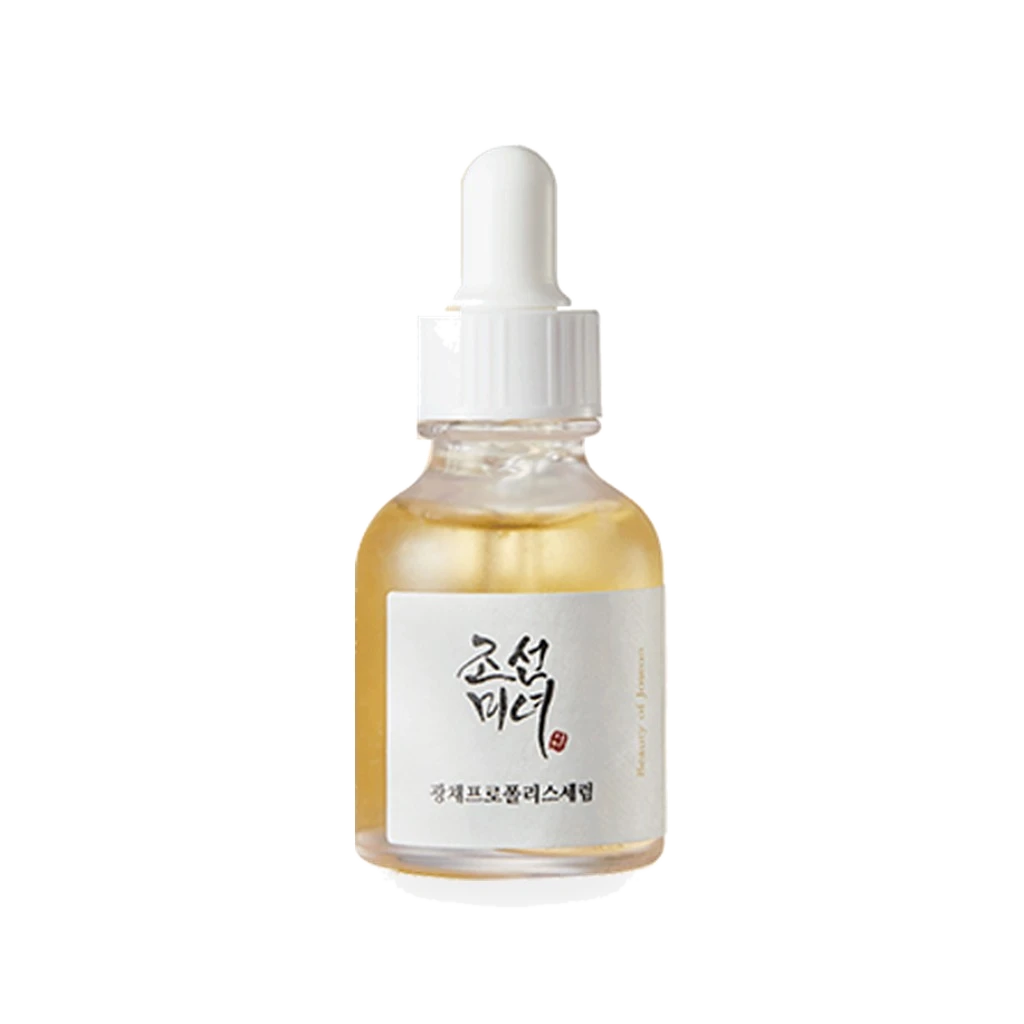
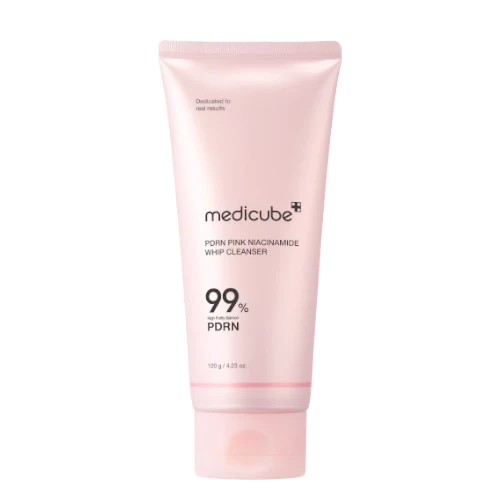
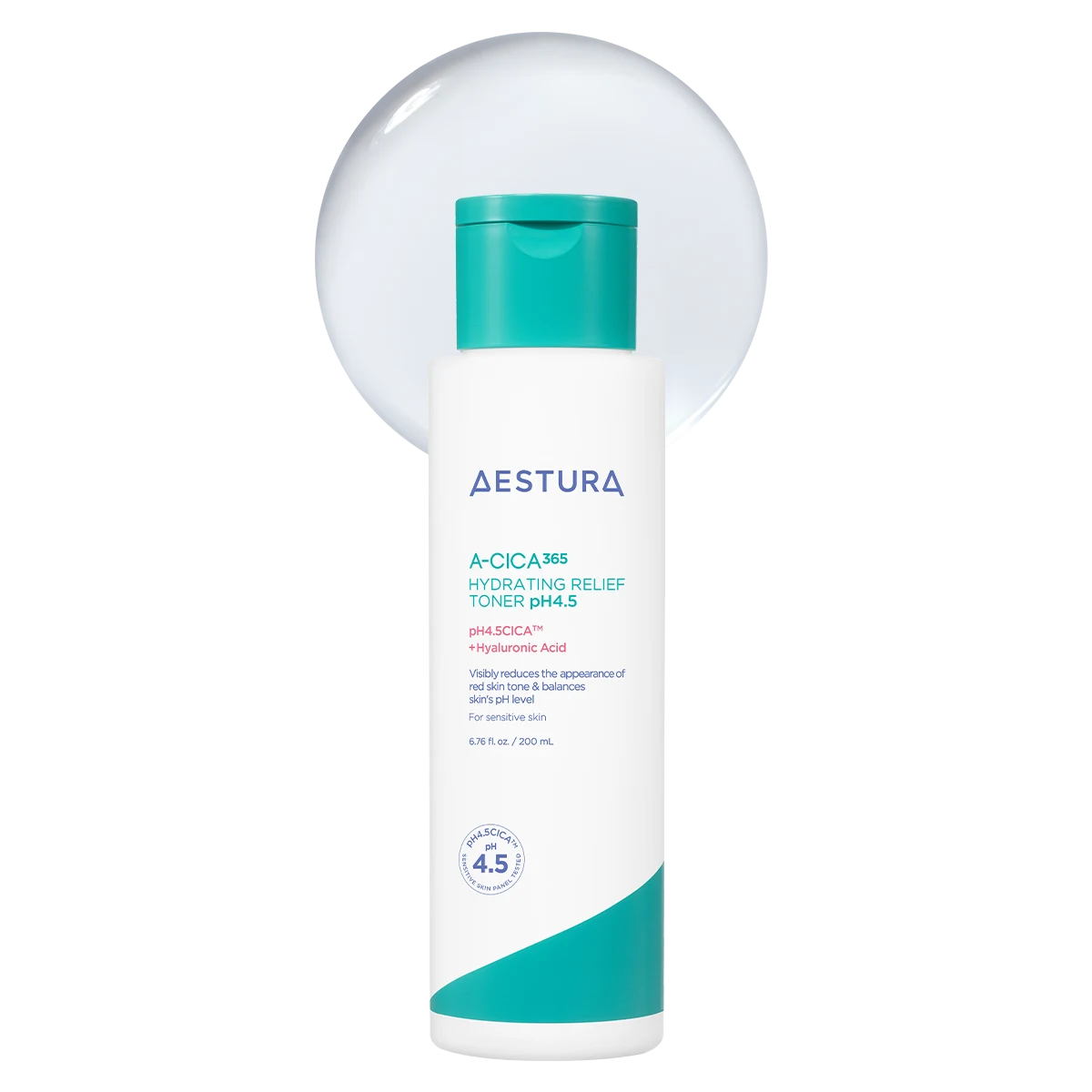
Shop this article
In-stock in our Melbourne warehouse — order by 12pm and it’s on your doorstep tomorrow across metro Australia.
Keep reading
Concern · Tone
K-Beauty On Deeper Skin: What Actually Translates
Cast, brightening claims and pigmentation, honestly assessed for Australian skin.
8 min read
Seoul Signal · Philosophy
미리 관리: Korea's Prevention-First Skincare Philosophy
The idea that reframes everything — fix it before it becomes a problem.
7 min read
Routine · Acids
How Often Melanin-Rich Skin Should Actually Use Acids
Frequency guidance by skin type and concern — and the pigment risk nobody mentions.
6 min read