Origin story · Snail mucin
Snail Mucin: How A Farming Observation Became A K-Beauty Staple
Snail secretion filtrate is the ingredient people find hardest to take seriously and the one most likely to stay in their routine. Its history is agricultural, its function is unglamorous, and it does one job very well.
6 min read · Skin Grocer Curation Desk
Where it comes from
The modern cosmetic use traces to observations by snail farmers in Chile and Europe in the late twentieth century, who noticed unusually smooth hands and fast-healing cuts. Korean brands industrialised it in the 2000s and made it a mainstream category, and it remains one of the most recognisable K-beauty exports. Reputable producers collect the filtrate without harming the animals, in dark, humid, low-stress conditions, then filter and preserve it.
What it does on skin
Snail secretion filtrate is a hydrating, film-forming ingredient containing glycoproteins, glycosaminoglycans, hyaluronic acid, allantoin and trace zinc. It makes skin feel plump, comfortable and slightly cushioned, and it supports the healing appearance of post-acne marks and dry, tight skin. It is a hydrator and soother that punches above its weight — not an anti-ageing active on its own.
Reading the label
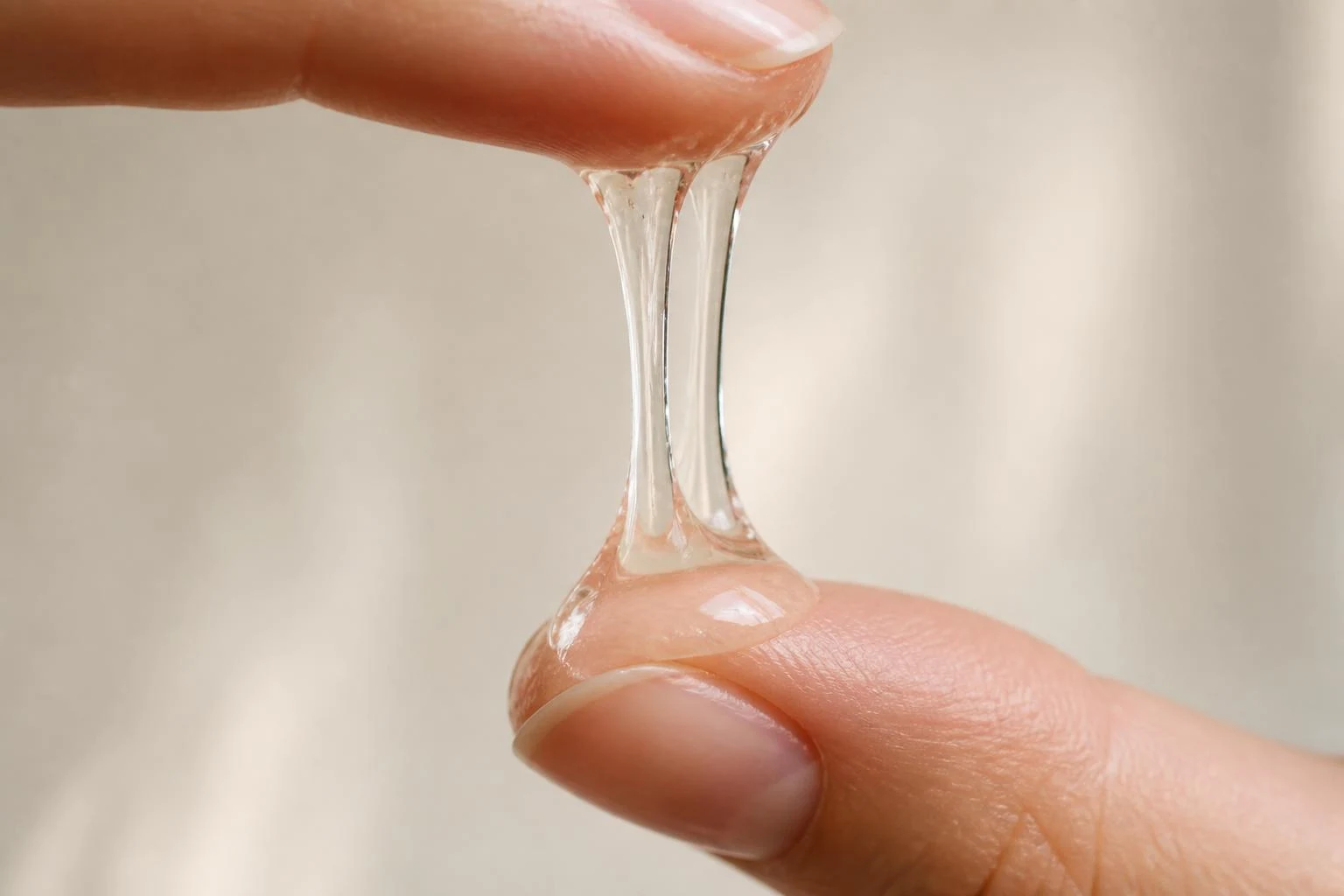
Percentage is the number that matters. High-percentage essences list snail secretion filtrate as the first ingredient; products that list it after preservatives are using it as a marketing garnish. Texture should be slightly stringy and viscous. Fragrance-free versions are widely available and preferable for reactive skin.
How to use it in Australia
Use it as an essence step after cleansing and toner, morning or night, on damp skin. Its film-forming quality is a real advantage in dry Melbourne winters and in air-conditioned offices. In very humid weather it can feel tacky — apply less, and seal with a gel rather than a cream.
Who should skip it
People with a shellfish or mollusc allergy should avoid it, and anyone who objects to animal-derived ingredients should choose a polyglutamic acid or beta-glucan essence instead, which delivers a similar cushioned hydration.
What we read
- Hwahae (화해) — Korea's largest beauty review platform, 2026 trend report
- Olive Young 2026 top ingredient benefit groups (Korean consumer purchase behaviour)
Educational only — not medical advice. Persistent or severe skin concerns deserve a dermatologist.
Shop this article
In-stock in our Melbourne warehouse — order by 12pm and it’s on your doorstep tomorrow across metro Australia.
Keep reading
Concern · Sensitivity
Why Australian Skin Barriers Struggle More Than Korean Skin
Aircon, harder water and extreme UV — the climate case, with numbers.
6 min read
Origin story · Rice ferment
Rice Water And Ferment Filtrates: The Oldest Korean Beauty Habit
From ssal-tteumul to galactomyces — what fermentation adds, and what it doesn't.
7 min read
Ingredient · Barrier
Centella Asiatica: Why It's In Almost Everything We Stock
Cica isn't a trend in Korea — it's the default baseline for daily skin insurance.
5 min read