Routine · What not to use
What Not To Mix: The Korean Skincare Combinations To Avoid
Most 'do not mix' advice online is copied from a decade-old chart and half of it is wrong. Here is the short, accurate version: what genuinely should not share a routine, what only needs spacing, and what you can freely layer.
8 min read · Skin Grocer Curation Desk
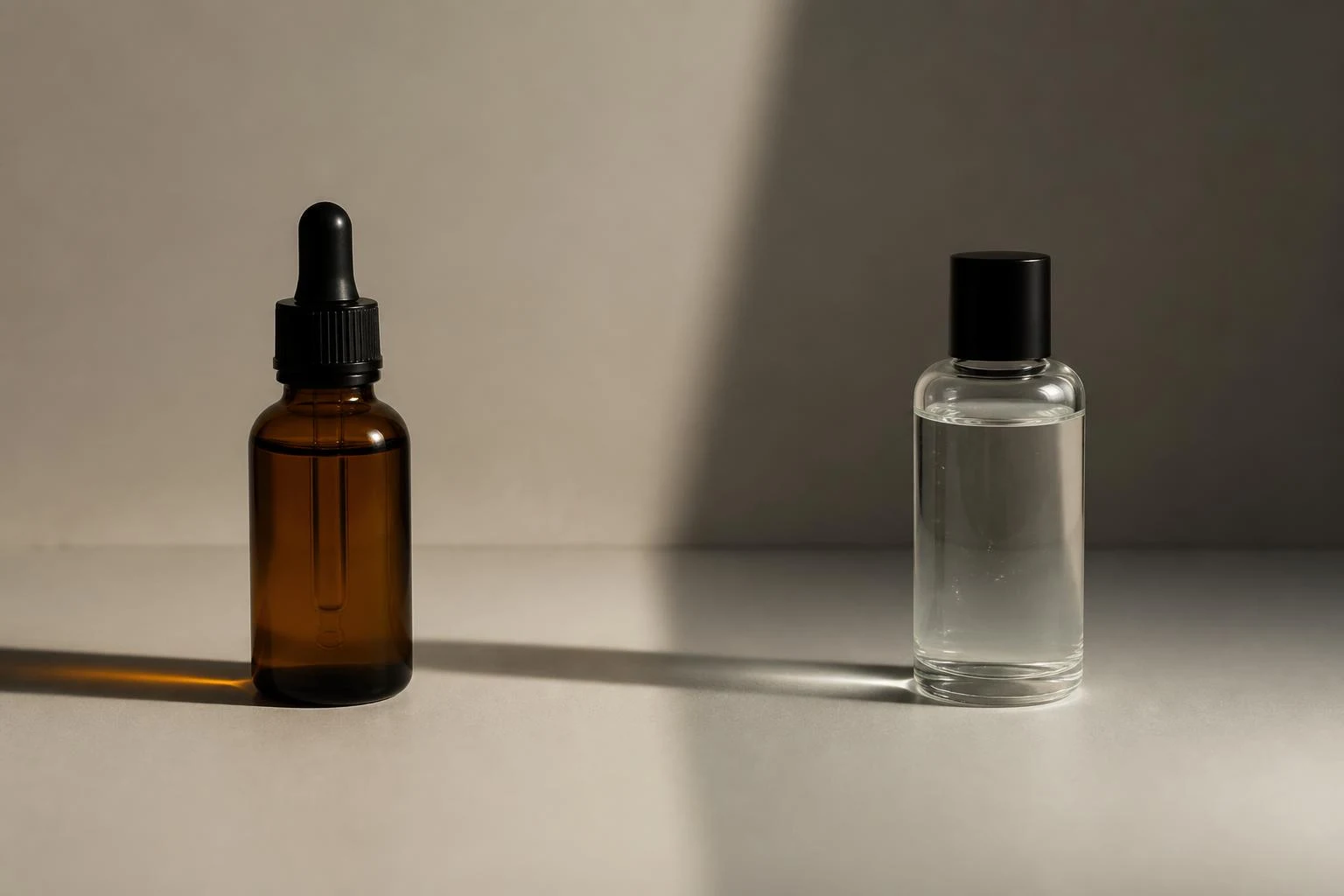
Separate these — same night is too much
Retinal or retinol with AHA or BHA exfoliants: both increase turnover and the combination is the most common cause of a damaged barrier. Alternate nights. Retinal with high-strength L-ascorbic acid vitamin C: split them across morning and evening rather than stacking. Two different exfoliating acids in one session: choose one, two to three times a week maximum. Benzoyl peroxide with retinal in the same application: use one in the morning and one at night unless the product is specifically formulated to combine them.
These are fine together, despite the myths
Niacinamide and vitamin C can be used together — the flushing claim comes from a 1960s study on raw, heated ingredients, not modern formulas. Niacinamide with hyaluronic acid, peptides, ceramides, panthenol, centella and PDRN is safe and common. Sunscreen over any serum is safe; the 'sunscreen deactivates vitamin C' claim is not supported for finished formulations. Layering multiple hydrators is safe, just unnecessary past a point.
Products to stop entirely when skin is irritated
If your skin is stinging, flaking, shiny-tight or reacting to products it used to tolerate, pause everything except a gentle cleanser, a barrier moisturiser with ceramides or centella, and sunscreen. That means stopping acids, retinal, scrubs, high-strength vitamin C, clay masks, fragranced products and any device. Hold that for seven to ten days, then reintroduce one product every five to seven days.
Habits that quietly cause damage
Daily exfoliating toner pads on top of an existing active routine. Using a foaming cleanser twice in the morning and night. Hot water. Layering three products that all contain fragrance. Treating a sheet mask as a daily necessity when the essence inside is fragranced. Buying a second product to fix a reaction caused by the first, instead of removing the first.
The Australian additions
Two local specifics. First, if you use a physical or chemical exfoliant, your sunscreen becomes non-negotiable rather than optional — Australian UV is far stronger than Seoul's for most of the year. Second, hard water in parts of Adelaide, Perth and regional areas makes cleansers feel more stripping than they are; switching to a low-pH cleanser fixes what looks like an active-related reaction.
The rule that replaces the chart
One new product at a time, five to seven days apart, and no more than one strong active per session. If you cannot name what a product is doing for you, it is a candidate for removal — not for a companion product.
What we read
- Hwahae (화해) — Korea's largest beauty review platform, 2026 trend report
- Olive Young 2026 top ingredient benefit groups (Korean consumer purchase behaviour)
- TGA — Australian Regulatory Guidelines for Sunscreens (ARGS)
Educational only — not medical advice. Persistent or severe skin concerns deserve a dermatologist.
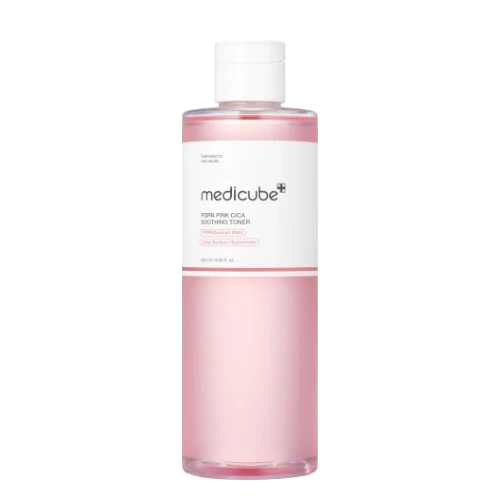
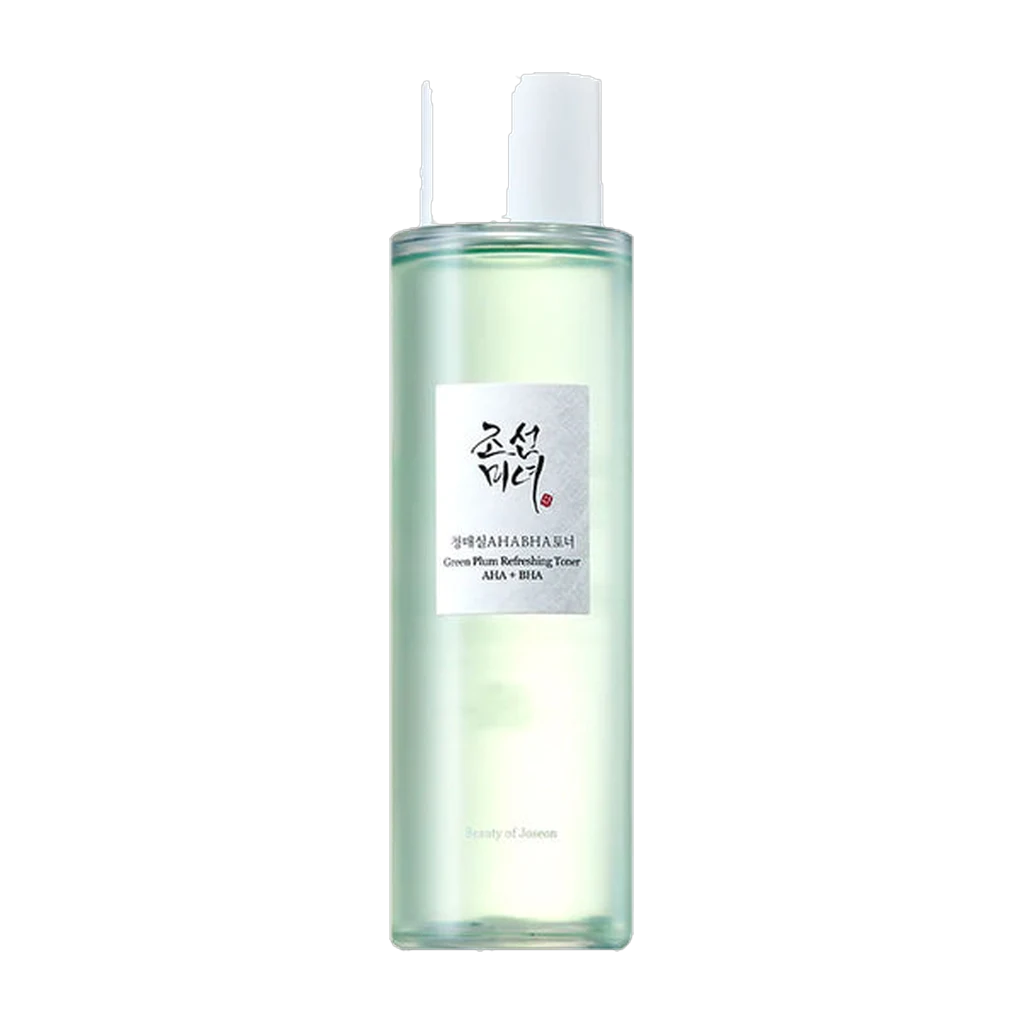
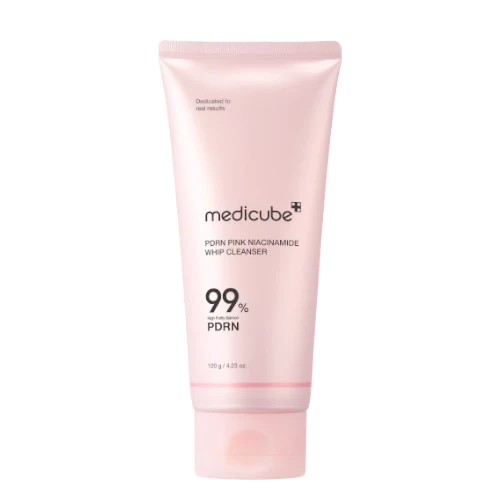
Shop this article
In-stock in our Melbourne warehouse — order by 12pm and it’s on your doorstep tomorrow across metro Australia.
Keep reading
Routine · Acids
How Often Melanin-Rich Skin Should Actually Use Acids
Frequency guidance by skin type and concern — and the pigment risk nobody mentions.
6 min read
Concern · Sensitivity
Why Australian Skin Barriers Struggle More Than Korean Skin
Aircon, harder water and extreme UV — the climate case, with numbers.
6 min read
Seoul Signal · Philosophy
미리 관리: Korea's Prevention-First Skincare Philosophy
The idea that reframes everything — fix it before it becomes a problem.
7 min read