Seoul Signal · Watchlist
The New-Launch Watchlist: What's Landing In Seoul Before It Reaches Australia
Australian retail usually receives Korean launches twelve to eighteen months late, filtered by whoever holds the distribution. This is what the domestic signals are showing now, and our read on what deserves your money.
7 min read · Skin Grocer Curation Desk
Clinic-derived actives are the defining movement
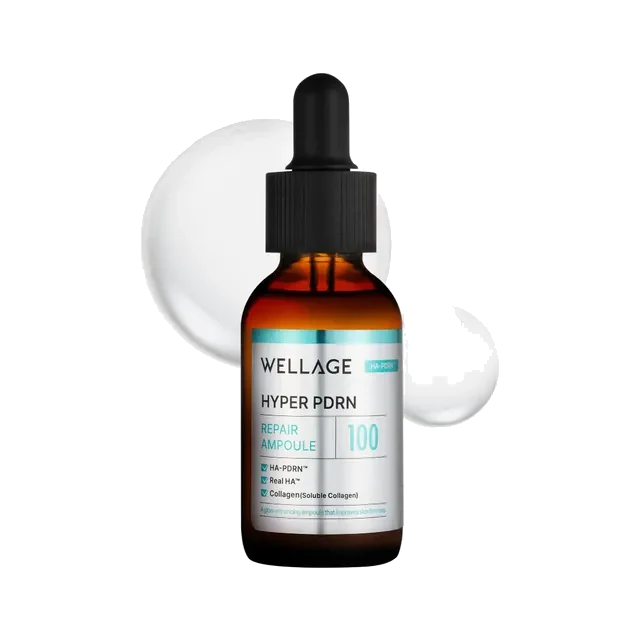
PDRN and exosome-positioned products are the clearest growth story in Korean skincare: PDRN product counts on Olive Young are up roughly 43% with reviews up 103%, and exosome reviews up 229% over a six-month window. The consumer logic is 'clinic results at home'. Our read: PDRN serums are worth buying now — they are well-formulated repair products even if you ignore the marketing. Exosome claims in cosmetics are far looser than in clinical settings; judge those products on their supporting formula, not the headline.
Toner pads have become a controlled exfoliation category
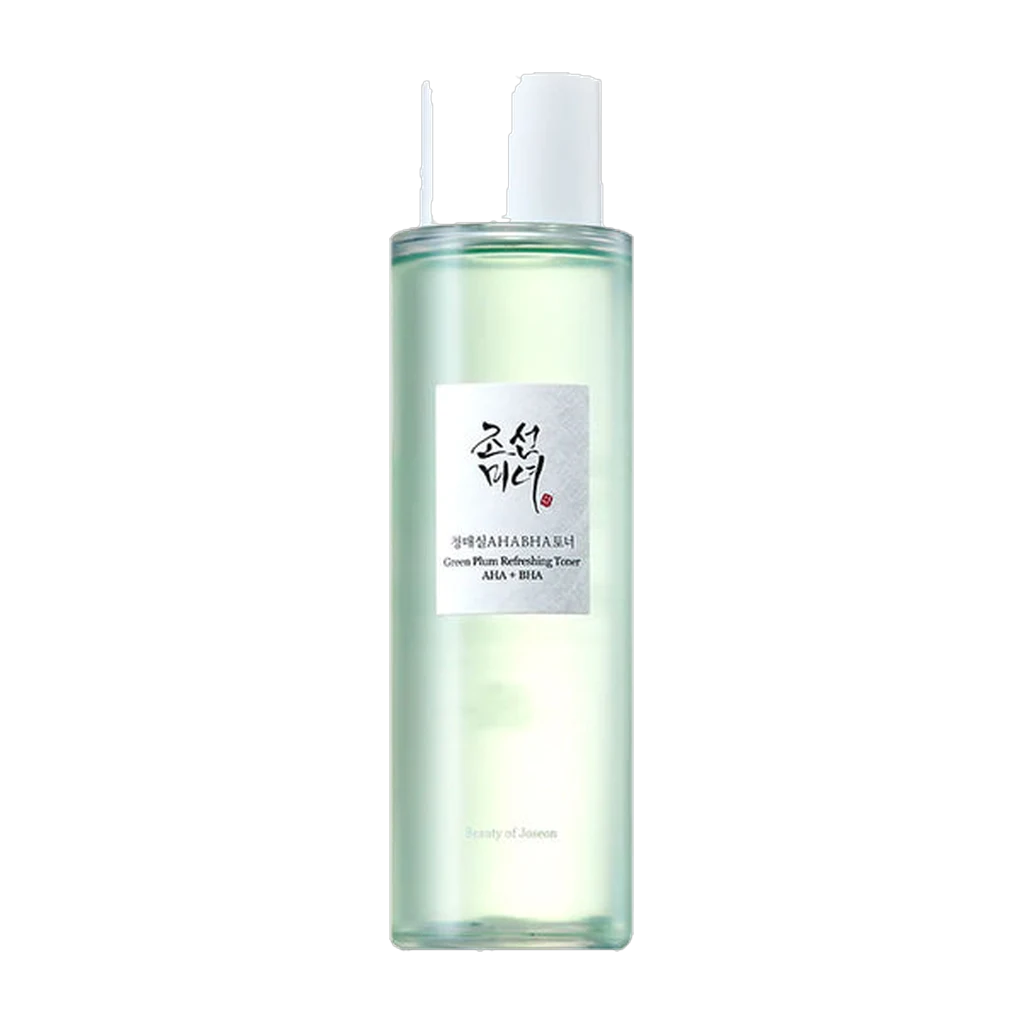
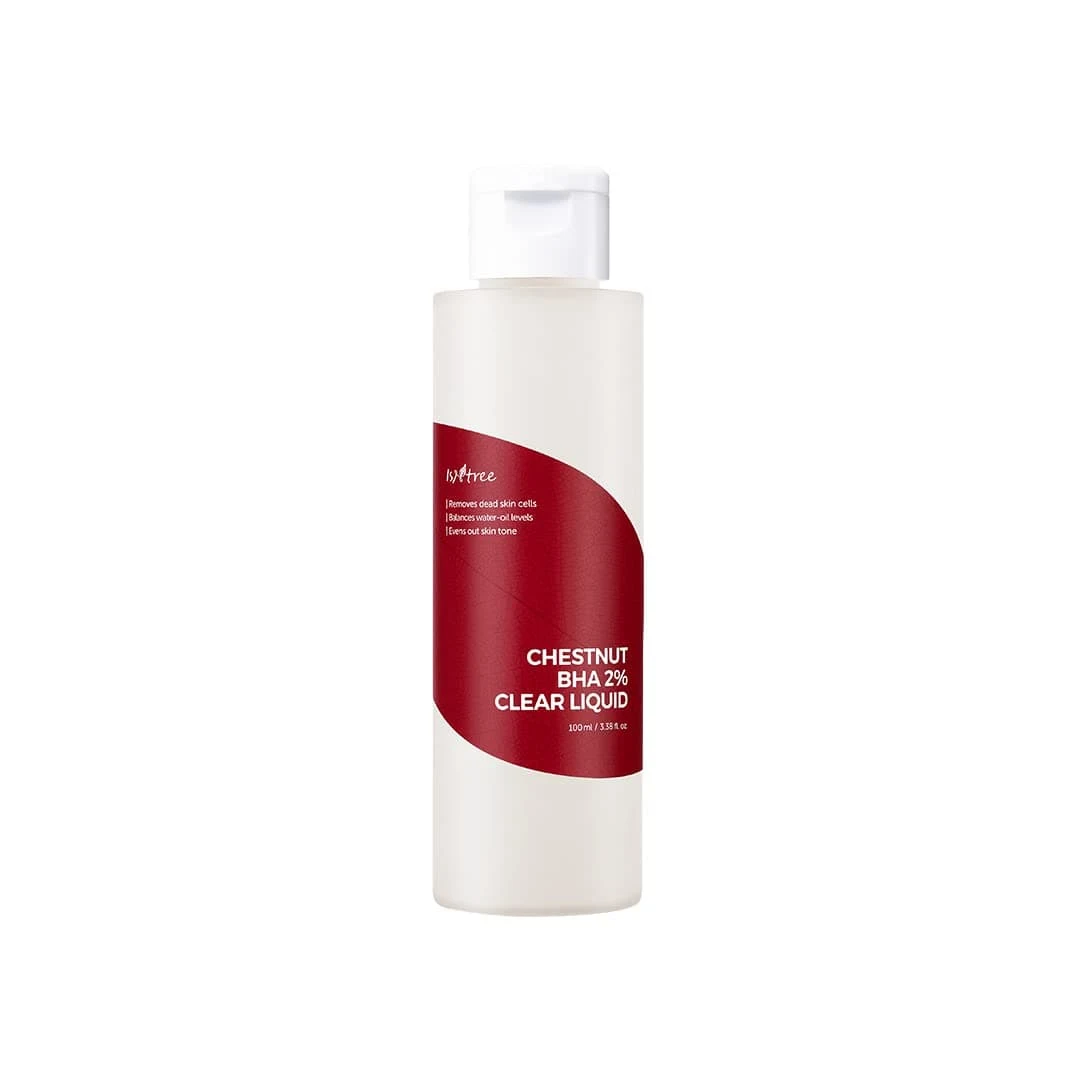
Pore-care and toner pads keep gaining shelf space because they solve mess and dosing at once: a measured amount of a mild acid or soothing extract, applied without decanting. Watch for pads that state their acid percentage and pH. Skip pads whose only selling point is a scent or a fabric texture — the pad is a delivery method, not a benefit.
Sun care behaving like skincare
Sun sticks, serum-textured SPF and hybrid tone-up sunscreens continue to dominate Korean launches, driven by reapplication over makeup. This is the category with the biggest Australian caveat: sunscreens making therapeutic SPF claims here are regulated by the TGA, and Korean labelling does not map onto Australian testing. Use imported Korean sun care as a comfortable reapplication layer, and read the label as supplied by the brand rather than assuming an Australian equivalence.
Overnight collagen film masks
Hydrogel and collagen-film overnight masks that dissolve onto the skin have moved from novelty to repeat purchase. They work as an occlusive hydration event, which is exactly what dry Melbourne winters and air-conditioned offices call for. They are not a collagen-building treatment; the collagen sits on the surface as a film-former and humectant.
Sensitive-skin reformulation
Established lines are quietly reissuing hero products fragrance-free, at lower pH and with shorter ingredient lists. This is the least visible trend and probably the most useful one. When two versions of a product exist, the reformulated sensitive version is usually the better buy for Australian skin dealing with UV and hard water.
What we are not chasing
Single-ingredient miracle launches with no domestic review volume. Devices with cosmetic-level claims and clinical-level pricing. Anything that only exists in export markets — if it does not hold Olive Young Korea shelf space or Hwahae review volume, it did not win at home, and that is our first filter before we import anything.
What we read
- Trendier AI — PDRN reviews +103%, exosome reviews +229% on Olive Young
- Cosmo Beauty Seoul 2026 K-Beauty Trend Report (4,700+ products analysed)
- Hwahae (화해) — Korea's largest beauty review platform, 2026 trend report
- TGA — Australian Regulatory Guidelines for Sunscreens (ARGS)
Educational only — not medical advice. Persistent or severe skin concerns deserve a dermatologist.
Shop this article
In-stock in our Melbourne warehouse — order by 12pm and it’s on your doorstep tomorrow across metro Australia.
Keep reading
Seoul Signal · Data
What's Actually Selling In Seoul (And What's Only Big On TikTok)
The gap between domestic Korean demand and the global K-beauty feed, in numbers.
6 min read
Ingredient · Active
PDRN: What Salmon DNA Actually Does For Your Skin
The clinic ingredient that moved onto retail shelves — and where to start with it.
6 min read
Ingredient · Regulation
TGA vs Korean Sunscreen Standards, Decoded
Filters, testing and water resistance, compared side by side — and why labels differ.
7 min read