Skin Grocer Blog · No. 08
The Texture Issue
Do You Need a Lighter Moisturiser for Spring?
Melbourne's afternoons are warming up, and Korea's Hwahae trending chart on 25 October reads like a texture menu: a rich barrier cream at No. 1, and two lightweight gel-creams inside the top 12. This fortnight: what actually changes when you swap to a lighter moisturiser, who should, and who shouldn't.
Written by The Skin Grocer Team — Fortnight of 26 October 2026
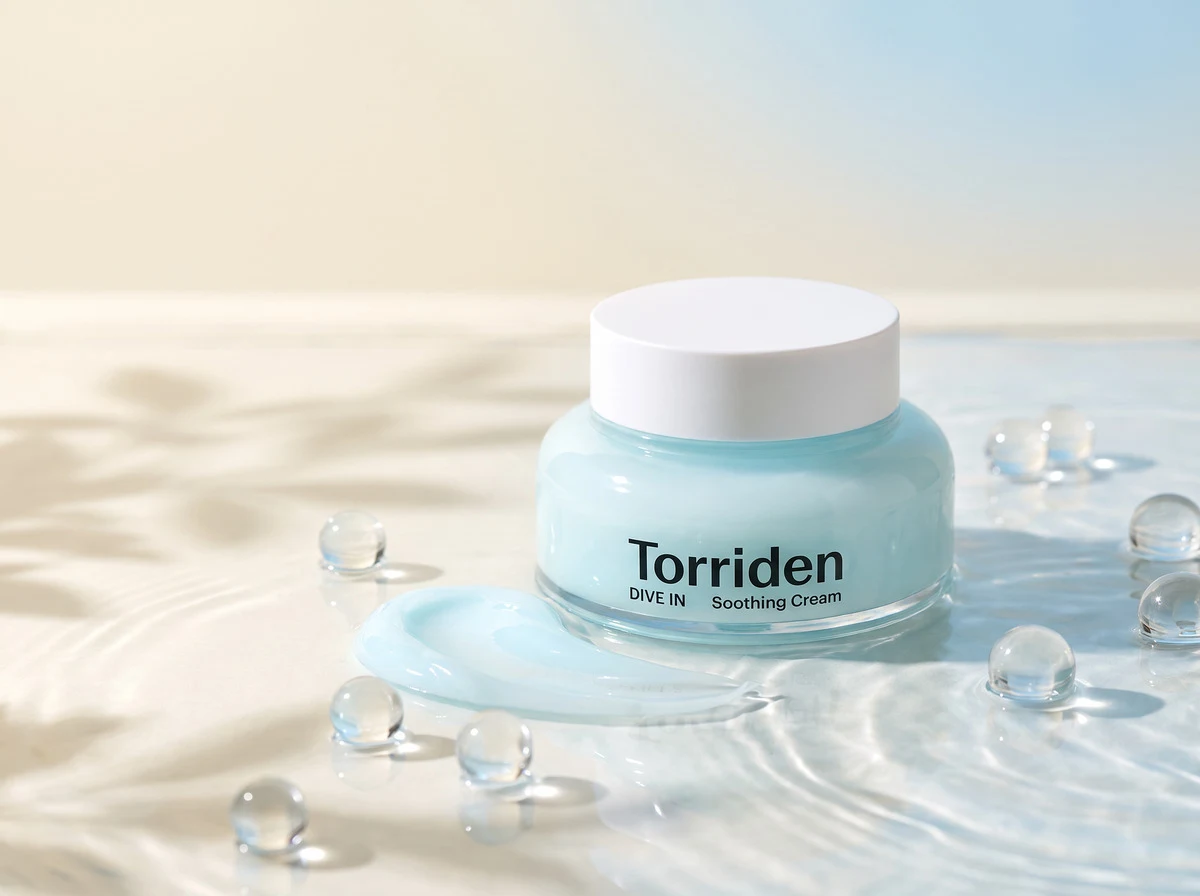
Do I need a lighter moisturiser now it's warmer?
Maybe — but probably not for the reason you think. The Bureau of Meteorology's long-term averages for central Melbourne put the mean July maximum at 13.5°C and the November maximum at 22°C. The air doesn't get wetter as it warms, though: mean 3pm relative humidity drops from 61% in July to 49% in November. Spring here isn't humid. What changes is how a heavy cream feels on warm skin.
Korea's review community has noticed the same thing. On Hwahae's Global Trending Ranking, updated 25 October, the No. 1 product is AESTURA's Atobarrier365 Cream, which Hwahae's own summary calls a barrier moisturiser for dry skin that 'may feel heavy in summer'. Further down, TORRIDEN's DIVE IN Soothing Cream (No. 8) is summarised as a lightweight gel-cream that's good for summer, and WELLAGE's Real Hyaluronic Soothing Cream (No. 12) as best for oily or combination skin and 'too light alone in dry winters'.
That's the honest frame: a texture swap is about comfort and what your skin does in warmth, not about a season on a calendar. The American Academy of Dermatology's guidance is that people with oily skin can opt for a gel, which is lighter than other moisturisers, while dry skin is better served by a cream. Combination skin can treat the face as two zones.
Our read: if your current cream starts to feel greasy by lunchtime, or you're getting shine by mid-afternoon, a gel-cream is a reasonable spring swap. If your skin still feels tight after cleansing, keep the richer cream — Melbourne's afternoons are drier than winter's, not wetter. And if you're not sure, keep both: gel by day, the richer cream on the nights your skin asks for it.
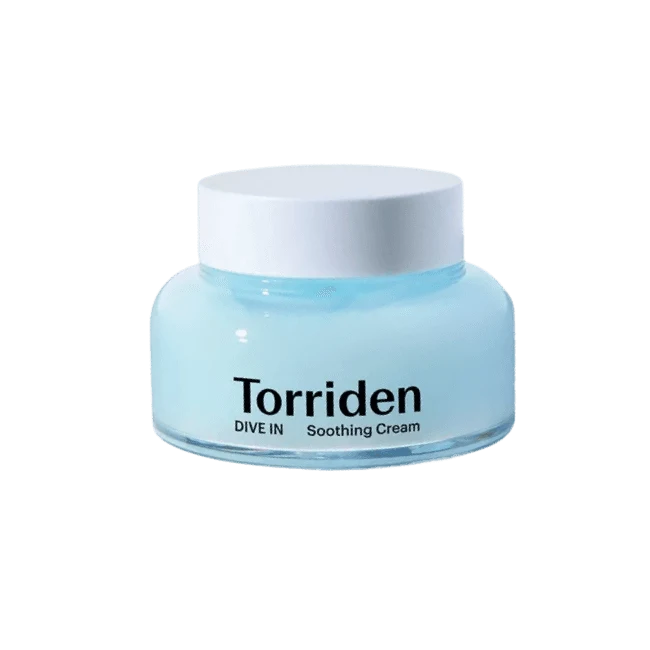
TORRIDEN
Dive In Soothing Cream
Pat a small amount onto clean skin as your last step at night, or before sunscreen in the morning. Patch test before first use — any product can cause a reaction.
⭐ Why we picked it
- —No. 8 on Hwahae's Global Trending Ranking (updated 25 October 2026, KST), summarised as a lightweight gel-cream
- —Hyaluronic acid in five molecular sizes, with panthenol and allantoin, per TORRIDEN
- —Listed by TORRIDEN for normal, combination and redness-prone skin
Low-molecular hyaluronic acid: what Korea already knows
Korea
🔥🔥🔥🔥
Australia
🌡️ known, but the 'low molecular' bit isn't
- What is it?
- Hyaluronic acid is a humectant: it holds water. 'Low molecular weight' means it has been broken into smaller pieces. A 2024 scoping review in EMJ Dermatology summarises the general picture: larger hyaluronic acid mainly hydrates the surface and supports the barrier, while smaller fragments penetrate further into the skin.
- Why it's all over Korean gel-creams
- Because 'multi-molecular' became a label of its own. TORRIDEN says its DIVE IN cream uses five sizes of hyaluronic acid, from high to low molecular weight, and the ingredient list carries several forms — hydrolysed hyaluronic acid, sodium hyaluronate and a sodium hyaluronate crosspolymer among them. WELLAGE's Real Hyaluronic line is built around the same idea. It suits the Korean preference for hydration that sinks in rather than sitting on top.
- Should Australians care?
- A little. Multiple sizes is a sensible formulation choice, but the same review notes most studies are small and that very small fragments (20 kDa and under) aren't recommended for topical use. More molecular sizes on a label doesn't automatically mean more hydration. Hyaluronic acid on its own isn't a moisturiser either; it works best with something on top to slow water loss, which is exactly what a gel-cream does.
Try it
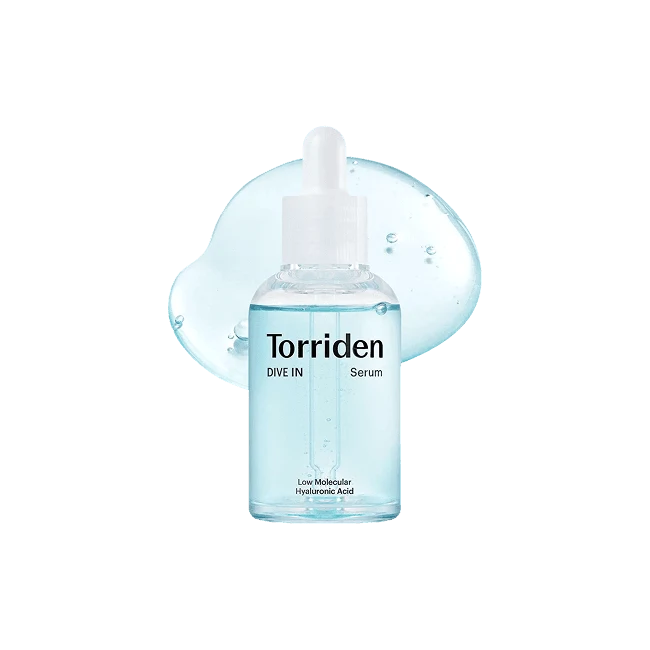
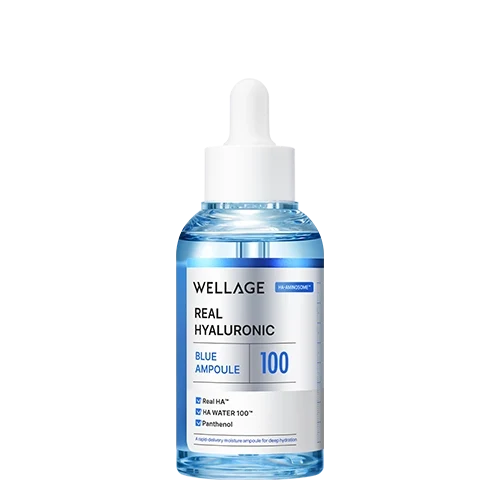
If your skin is feeling…
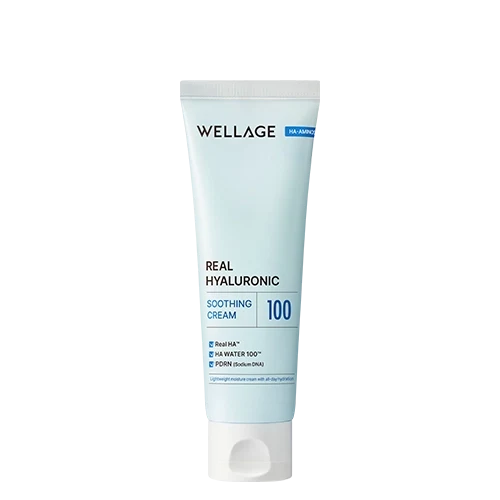
💦 Shiny by mid-afternoon
WELLAGE
Real Hyaluronic Soothing Cream 80ml
Hwahae's summary: lightweight, best for oily or combination skin.
🌤️ Want lighter, not thinner
TORRIDEN
Dive In Soothing Cream
A gel-cream that still feels like a cream step.
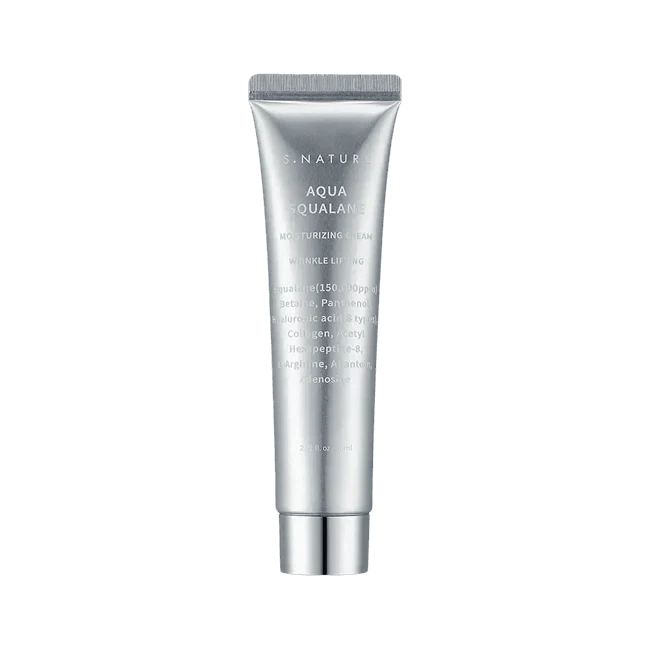
⚖️ Combination skin
S.NATURE
Aqua Squalane Moisturizing Cream
No. 4 on Hwahae, summarised as suiting combination skin.
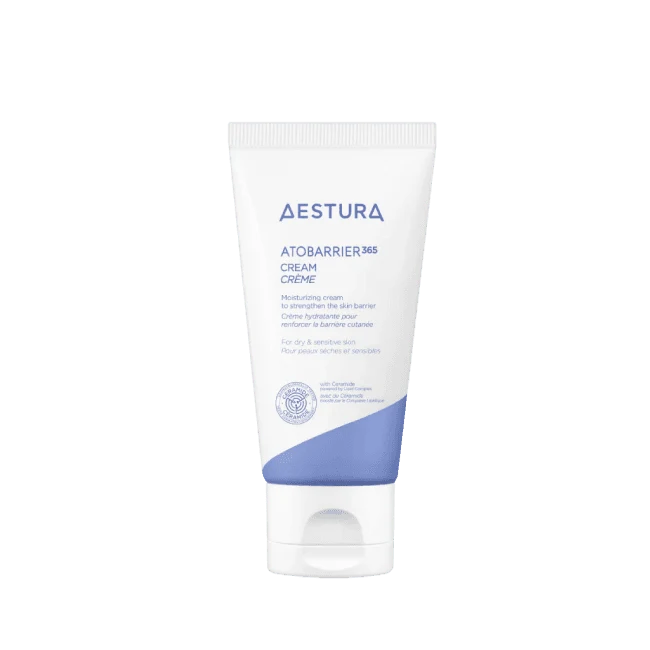
🧱 Still tight after cleansing
AESTURA
Atobarrier365 Cream (2nd Generation)
Keep the richer ceramide cream. Spring afternoons here are drier, not more humid.
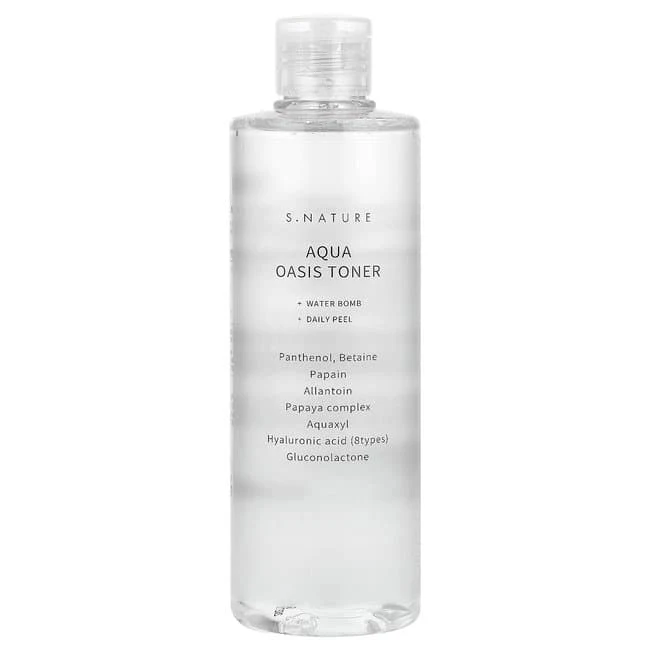
🫧 Gel-cream feels like not enough
S.NATURE
Aqua Oasis Toner
Layer a hydrating toner underneath instead of going back to a heavy cream.
One product per concern. Not seventeen. That's curation.
The “I can't be bothered” routine
A spring morning routine that stays comfortable under sunscreen. The swap is step three; everything else stays.
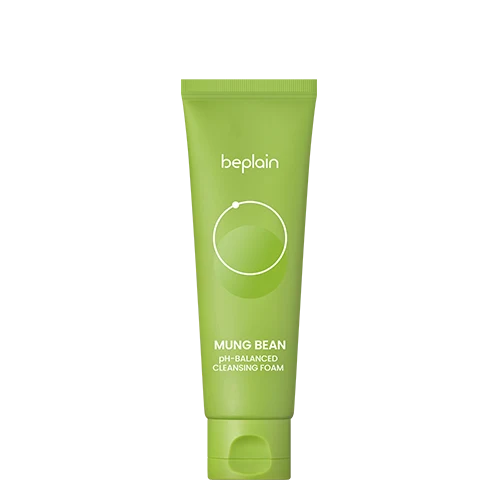
01 · Cleanse
A gentle low-pH foam, or just water if your skin is dry in the morning.
beplain
Mung Bean pH-Balanced Cleansing Foam 80ml
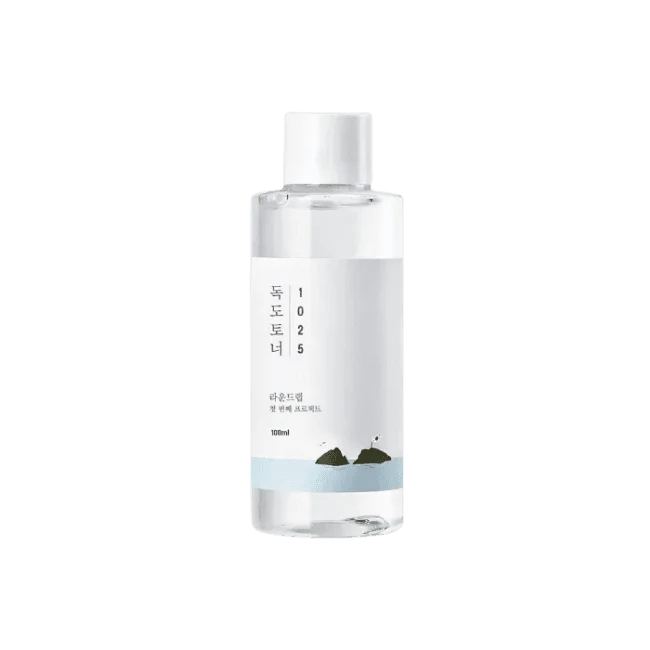
02 · Hydrate
Pat onto damp skin. Two thin layers beat one heavy one.
ROUND LAB
1025 Dokdo Toner 100ml
03 · Gel-cream
A pea-sized amount, pressed in rather than rubbed. Let it settle for a minute before the next step.
TORRIDEN
Dive In Soothing Cream
04 · Dry patches only
Optional. Press a little richer cream onto dry cheeks only. Then finish with a broad-spectrum sunscreen lawfully supplied in Australia, applied generously and reapplied as its label directs.
AESTURA
Atobarrier365 Cream (2nd Generation)
If your sunscreen pills or slides, the moisturiser underneath is usually the culprit. Use less, or give it longer to settle, before you blame the sunscreen.
Combination skin: two textures, one face
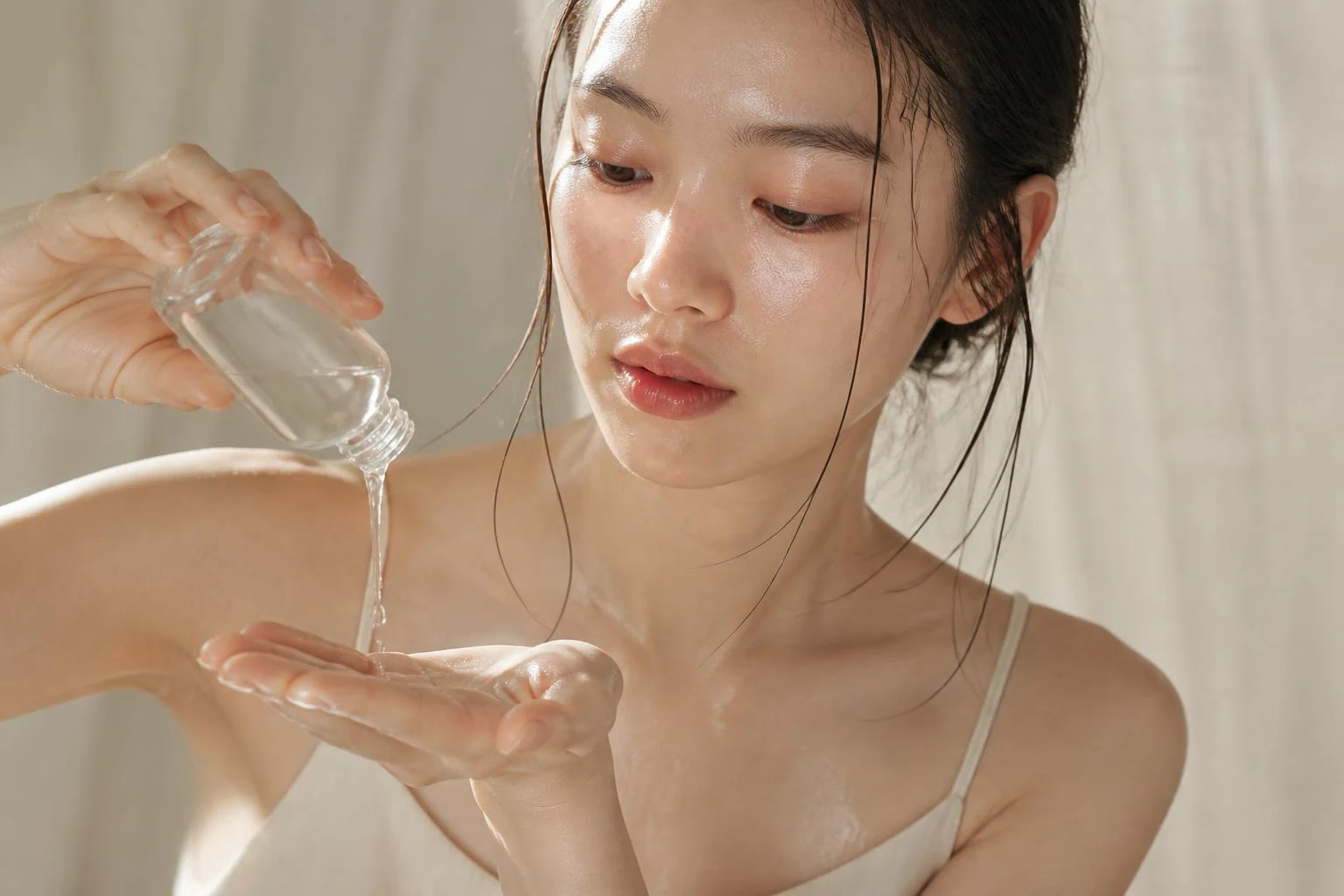
Most people asking about a lighter moisturiser don't have one skin type. They have an oily centre and dry cheeks, or a shiny forehead and flaky edges around the nose.
The American Academy of Dermatology's advice for combination skin is simple: moisturise the dry spots and go easy on the oily areas. In practice, that can mean a gel-cream across the whole face and a little of your richer cream pressed onto the cheeks only.
Change one thing at a time. If you swap your moisturiser and your sunscreen in the same week and your skin is unhappy, you won't know which one did it. Give a new moisturiser two weeks before deciding.
And don't confuse shine with hydration. A shiny T-zone can sit right next to dry, tight cheeks. Going lighter shouldn't mean going without.
Read: layering order for warmer days →The Skin Grocery Basket — For warmer days, without the heaviness
TORRIDEN
Dive In Soothing Cream
The spring gel-cream.
A$40
WELLAGE
Real Hyaluronic Soothing Cream 80ml
For oily and combination skin.
A$38
ROUND LAB
1025 Dokdo Toner 100ml
Hydration underneath.
A$18
AESTURA
Atobarrier365 Cream (2nd Generation)
Keep it for dry nights.
A$55
What should we dig into next fortnight?
- AToner pads: worth it or wasteful?
- BShould I cleanse in the morning at all?
- CRetinal vs retinol: which should I start with?
- DWhy does my sunscreen pill?
Tell us which one to dig into next. We actually read them — and the answers become the next issue.
Send us your question