Skin Grocer Blog · No. 04
The PDRN Issue
PDRN: Miracle Ingredient or Marketing?
Salmon DNA is the most-marketed ingredient in Korea right now. We separated what the clinic data supports from what a topical serum can plausibly do to your face — including the part the ads leave out about molecule size.
Written by The Skin Grocer Team — Fortnight of 20 July 2026
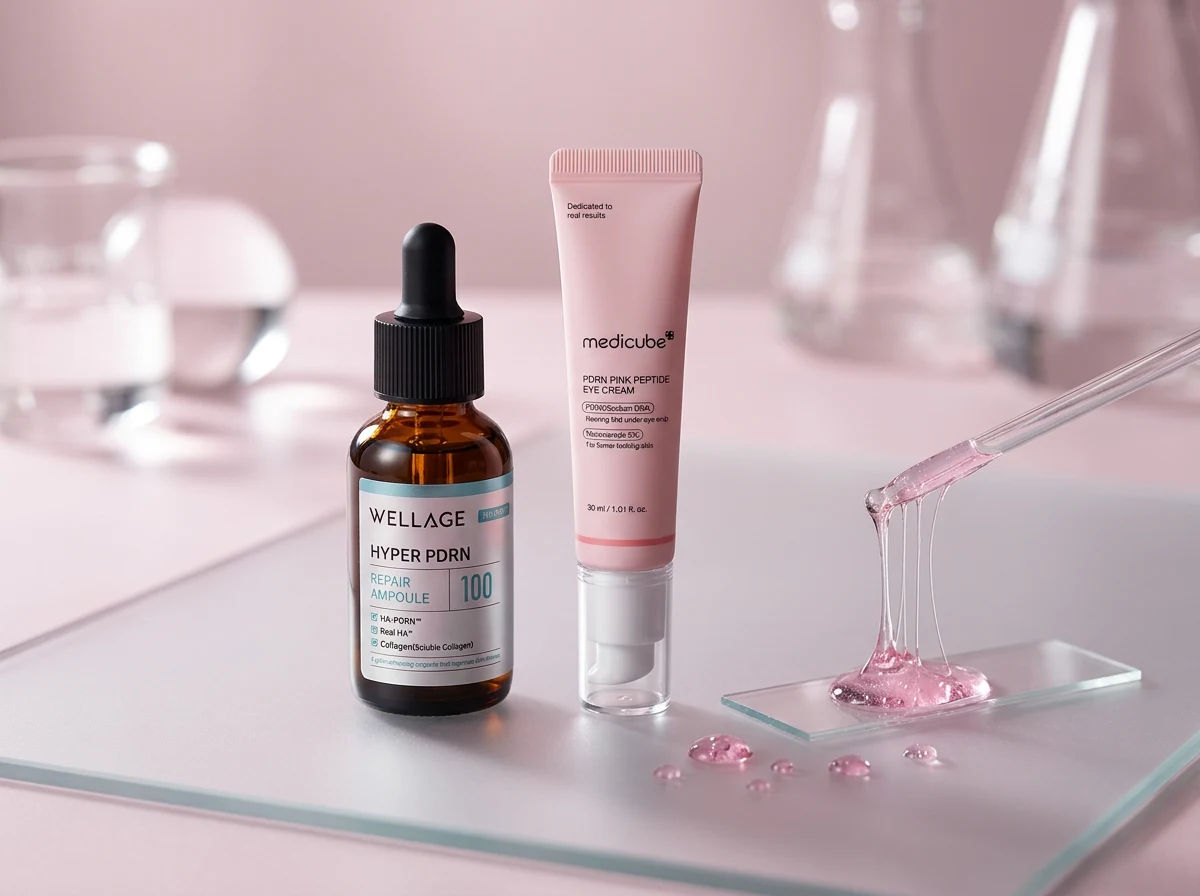
Does topical PDRN do what injected PDRN does?
No — and the gap is the entire story. PDRN (polydeoxyribonucleotide) is a purified fragment mix of DNA, usually salmon-derived. The clinical evidence people cite for it comes from injectable use: skin boosters and wound-healing applications, where the material is delivered under the skin barrier by a needle. That is a completely different delivery route from a serum you pat on.
The limiting factor is size. Skin's outer layer is a very effective barrier, and large, water-loving molecules struggle to cross it in meaningful amounts. DNA fragments are large. So the honest read on a topical PDRN serum is that most of it stays on the surface, where it behaves like an excellent water-binding film — genuinely hydrating, genuinely comfortable — rather than a regenerative signal delivered into living tissue.
That's not nothing. Surface hydration and reduced water loss make skin look plumper, calmer and smoother within days, and PDRN formulas are usually built around soothing, low-irritation bases that suit over-exfoliated skin. But if you bought it expecting the result your friend got from a clinic session, the product isn't underperforming — the marketing overpromised.
Our position: buy PDRN products because they're pleasant, hydrating, well-formulated calming products at a fair price. Do not buy them as a needle substitute, and do not pay a premium over a good ceramide or HA product on the strength of the letters alone.
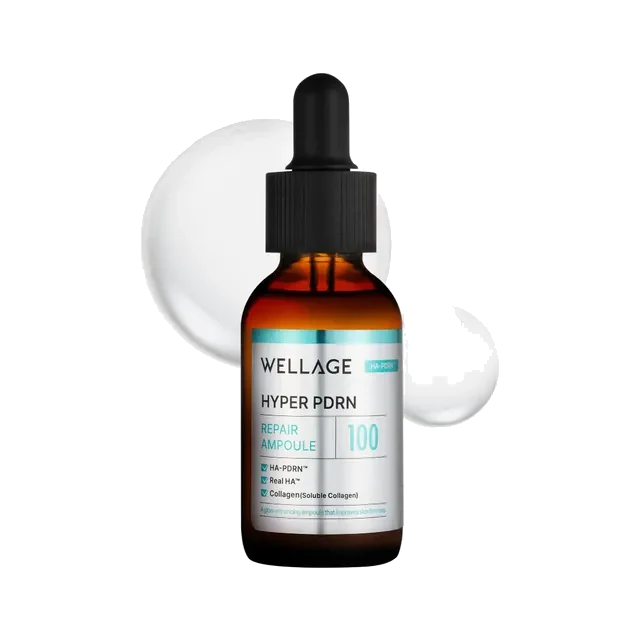
WELLAGE
Hyper PDRN Repair Ampoule 30ml
If you want to try the category, this is the straightforward one: concentrated, fragrance-free, no theatre.
⭐ Why we picked it
- —Comfortable enough for sensitised, over-exfoliated skin
- —Strong surface hydration — the effect topical PDRN can actually deliver
- —No fragrance or essential oils competing with the claim
Exosomes (the next PDRN): what Korea already knows
Korea
🔥🔥🔥🔥
Australia
👀 arriving now
- What is it?
- Tiny vesicles that cells release to carry signalling material to other cells. In clinics, exosome preparations are used alongside micro-needling or lasers, where the skin barrier has been deliberately breached. In cosmetics, 'exosome' on a label usually means a plant- or ferment-derived extract, and the amount and activity vary enormously between products.
- Why Koreans love it
- Korea's aesthetic clinics normalise the technology first, and the shelf follows — the same path PDRN took. The word carries clinic authority, which sells.
- Should Australians care?
- Cautiously. Same barrier problem as PDRN, plus far less consistency in what's in the bottle. Judge these products by the rest of the formula — the humectants, the lipids, the soothing agents — because that's what's doing the work you can feel. If a serum is good, it's good; the exosome claim is a bonus you shouldn't pay much extra for.
Try it
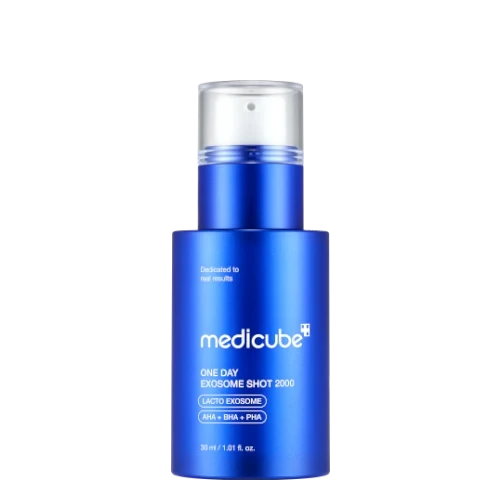
MEDICUBE
One Day Exosome Shot Pore Serum 2000 30ml
The category example — a light, pore-focused serum.
A$40
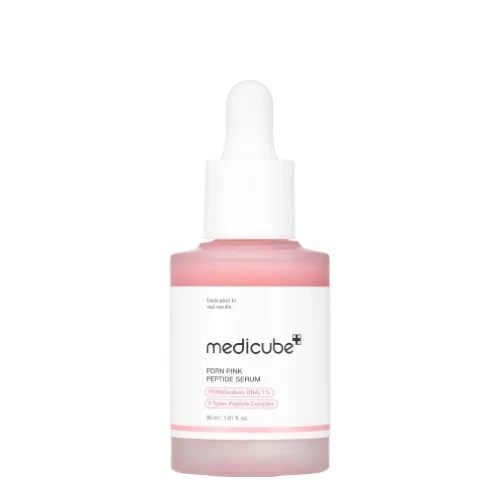
MEDICUBE
PDRN Pink Peptide Serum 30ml
Peptides alongside PDRN — the peptides are the better-evidenced half.
A$40
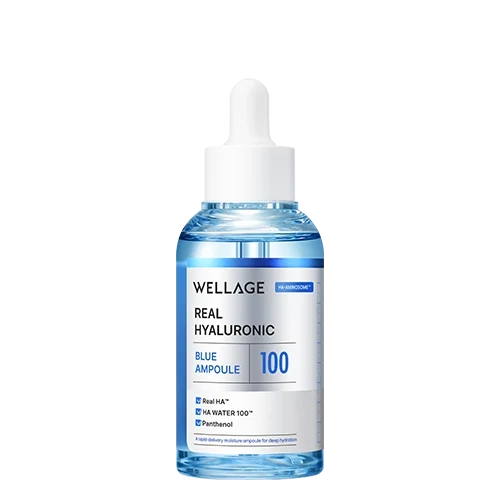
WELLAGE
Real Hyaluronic Blue 100 Ampoule 60ml
The unglamorous control: pure hydration, cheaper per ml.
A$34
If your skin is feeling…
💉 Post-treatment skin
WELLAGE
Hyper PDRN Repair Ampoule 30ml
Calm, hydrating and fragrance-free — safe on skin that's had enough.
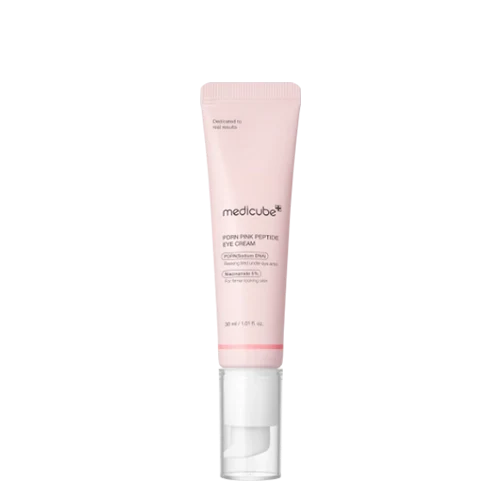
👁️ Crepey under-eyes
MEDICUBE
PDRN Pink Peptide Eye Cream 30ml
Thin skin shows dehydration first. This is a hydration fix that looks like a firming one.
🫧 Visible pores
MEDICUBE
One Day Exosome Shot Pore Serum 2000 30ml
Light texture, smoothing finish. Pores don't close — they can look tidier.
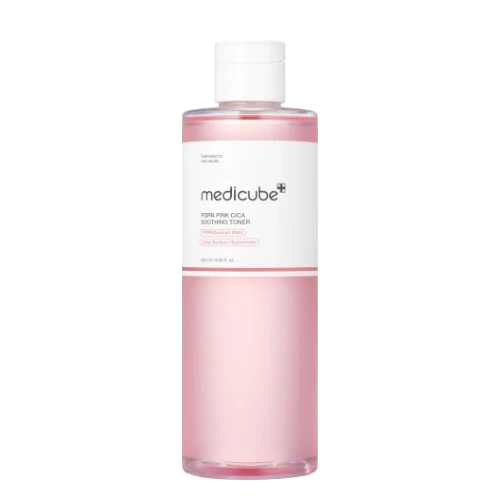
🧊 Redness after actives
MEDICUBE
PDRN Pink Cica Soothing Toner 250ml
Centella-led toner to reset a face you've pushed too hard.
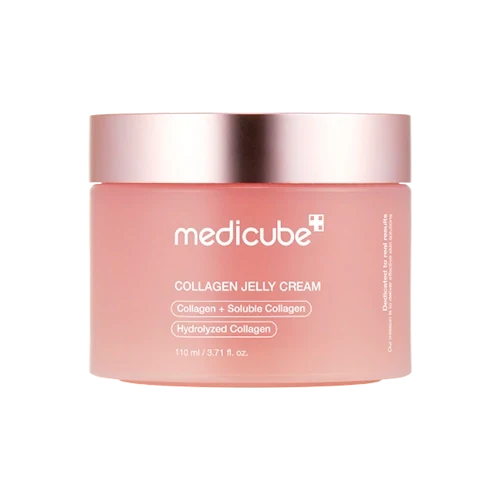
🪞 Loss of bounce
MEDICUBE
Collagen Jelly Cream 110ml
Occlusive comfort. Topical collagen hydrates the surface — it doesn't rebuild yours.
One product per concern. Not seventeen. That's curation.
The “I can't be bothered” routine
How we'd actually use a PDRN product: as the hydrating layer in a short routine, not as the centrepiece of an expensive one.
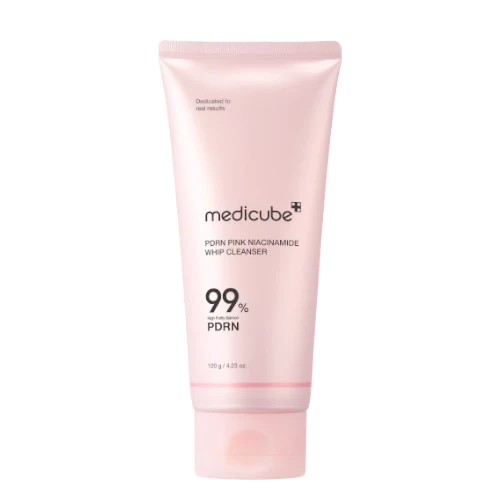
01 · Cleanse
Whip cleanser, lukewarm water, thirty seconds.
MEDICUBE
PDRN Pink Niacinamide Whip Cleanser 120g
02 · Calm
Centella toner on damp skin, especially after actives.
MEDICUBE
PDRN Pink Cica Soothing Toner 250ml
03 · Hydrate
PDRN ampoule while skin is still damp — that's when it performs.
WELLAGE
Hyper PDRN Repair Ampoule 30ml
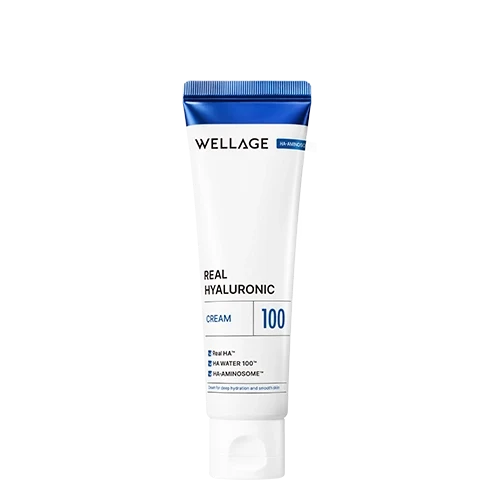
04 · Seal
Cream over the top, or none of the above stays put.
WELLAGE
Real Hyaluronic 100 Cream 80ml
A good PDRN routine is a good hydration routine with better branding. Buy it for how your skin feels at 4pm, not for what the ad implied.
How to read a hype ingredient before you pay for it
Three questions sort most of it. First: was the evidence generated by injecting, needling or lasering the ingredient in — or by applying it to intact skin? If it's the former, the serum version is a different product with the same name.
Second: how big is the molecule and where does it need to end up? Hydration ingredients only need to sit on and just under the surface, so they deliver reliably. Anything claiming to work in the deeper layers has to cross a barrier evolved specifically to stop that.
Third: where does it sit in the ingredient list? An active named on the front of the box but listed after the fragrance and preservatives is present in a token amount. Korean brands are generally better than most at disclosing meaningful percentages — if a number is nowhere on the packaging or the brand's site, assume it's low.
None of this means hype ingredients are scams. It means the honest version of the claim is usually smaller and more useful than the marketed one — and the smaller claim is the one we'll always give you.
Read the full guide →4 weeks with MEDICUBE PDRN Pink Peptide Eye Cream 30ml
4 weeks, one tester in her forties
- Texture
- 8/10
- Morning puffiness
- ⭐⭐⭐
- Dryness lines
- ⭐⭐⭐⭐
- Deep lines
- ⭐
Our verdict
“Fine lines that were really dehydration lines softened within a fortnight. Established creases did not move, and we'd be lying if we said otherwise. Worth it as a comfortable eye hydrator; not worth it as an alternative to a clinic.”
The Skin Grocery Basket — For calm, well-hydrated skin
WELLAGE
Hyper PDRN Repair Ampoule 30ml
The category, done properly.
A$40
MEDICUBE
PDRN Pink Cica Soothing Toner 250ml
Reset layer.
A$36
WELLAGE
Real Hyaluronic 100 Cream 80ml
Seal.
A$30
MEDICUBE
PDRN Pink Peptide Eye Cream 30ml
Where dehydration shows first.
A$38
Which hyped ingredient should we pull apart next?
- ATopical collagen — does any of it absorb?
- BPeptides: which ones have real data?
- CSnail mucin, honestly
- DAre LED and microcurrent devices worth it?
Tell us which one to dig into next. We actually read them — and the answers become the next issue.
Send us your question