Skin Grocer Blog · No. 05
The Pigmentation Issue
Why Your Dark Spots Keep Coming Back
Brightening serums are the most oversold category in skincare. Here's what actually moves pigment, what percentage you need before an ingredient does anything at all, and why the spot you faded in autumn is back by Christmas.
Written by The Skin Grocer Team — Fortnight of 3 August 2026
Why does pigment come back every summer?
Because pigmentation isn't a stain you remove — it's an ongoing process you're managing. Melanocytes make melanin in response to triggers: UV, visible light, heat, inflammation and hormones. A brightening serum slows production. It does nothing to the trigger. Remove the serum's competition — the sun — and results appear. Leave the trigger in place and you're bailing out a boat with the tap running.
This is why Australian pigmentation behaves differently from Korean pigmentation. Seoul's UV index sits low for months of the year; ours does not. A routine that holds melasma flat in Korea can lose ground in a Queensland summer with identical products. The variable isn't the serum. It's ninety minutes of ambient UV on the school run.
The second reason is heat and inflammation. Melasma in particular responds to heat and visible light, not just UVB — which is why it flares after a hot car, a sauna, or a laser done too aggressively. If your pigment darkens on days you didn't burn, that's your answer.
The honest expectation: eight to twelve weeks of daily use before you fairly judge any brightening active, and permanent daily sunscreen if you want to keep the result. Anything promising two weeks is selling you the same relapse you had last year.
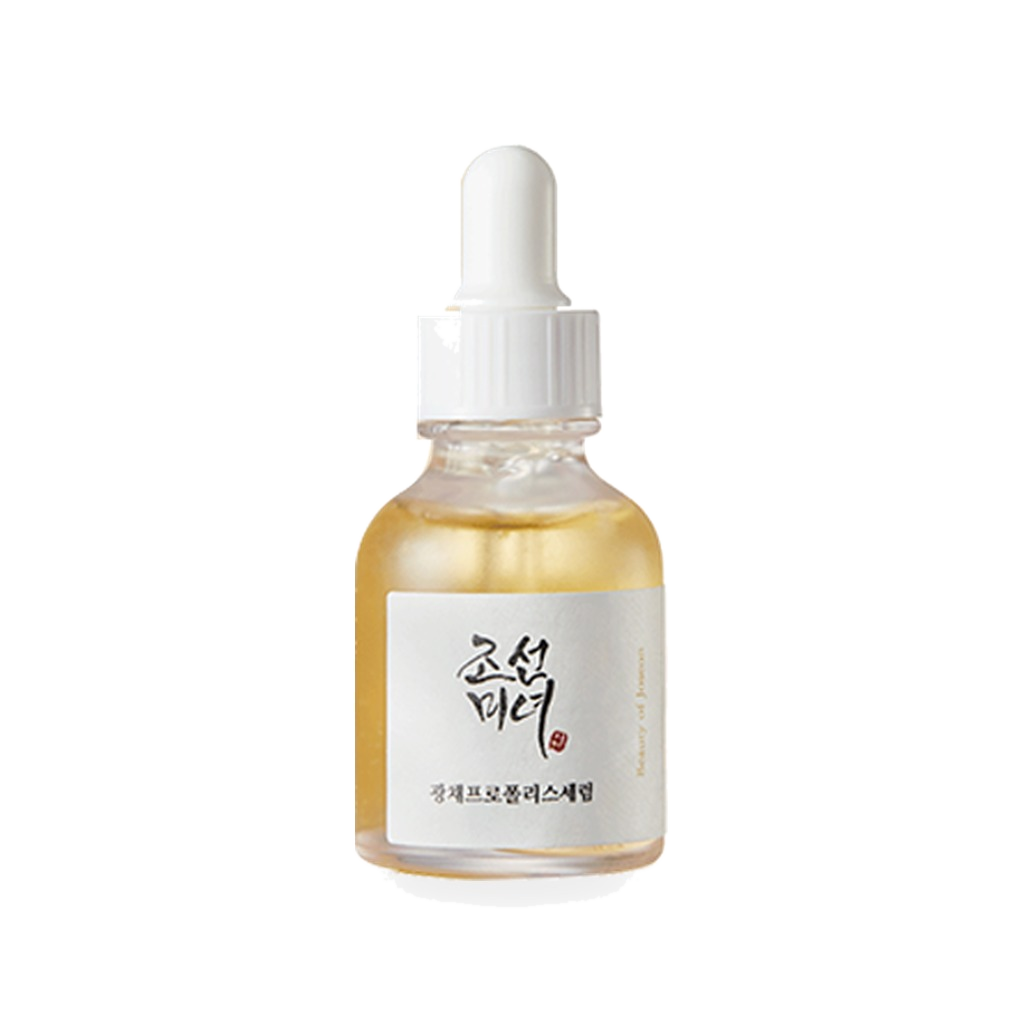
Beauty of Joseon
Glow Serum: Propolis + Niacinamide 30ml
Niacinamide with propolis extract — the low-irritation end of brightening, which is the end that works long-term.
⭐ Why we picked it
- —Niacinamide is one of the few brightening actives that rarely irritates
- —Comfortable enough to use daily for the eight to twelve weeks it actually takes
- —Layers under sunscreen without pilling — the step that protects the result
Niacinamide (and what percentage matters): what Korea already knows
Korea
🔥🔥🔥🔥
Australia
🔥🔥🔥 everywhere, poorly understood
- What is it?
- Vitamin B3. In pigmentation it works upstream of the visible mark: it interferes with the transfer of melanin from melanocytes into surrounding skin cells, rather than bleaching pigment that's already there. It also supports barrier lipid production, which is why it turns up in almost every Korean formula.
- Why Koreans love it
- Because it's the rare active that's both effective and boring to your skin. Published dermatology work has generally used niacinamide in the 2–5% range for pigmentation and barrier benefits, and Korean formulators tend to sit in that band rather than chase a number on the front of the bottle. The 10%+ serums that trended in the West mostly bought irritation, not results.
- Should Australians care?
- Yes — as your default daily brightener, not your hero. If a product lists niacinamide high in the ingredients, you're likely in a useful range. If your skin flushes on it, drop to a lower-percentage formula rather than abandoning the ingredient; the flush is usually dose, not allergy.
Try it
If your skin is feeling…
☀️ Sun-triggered spots
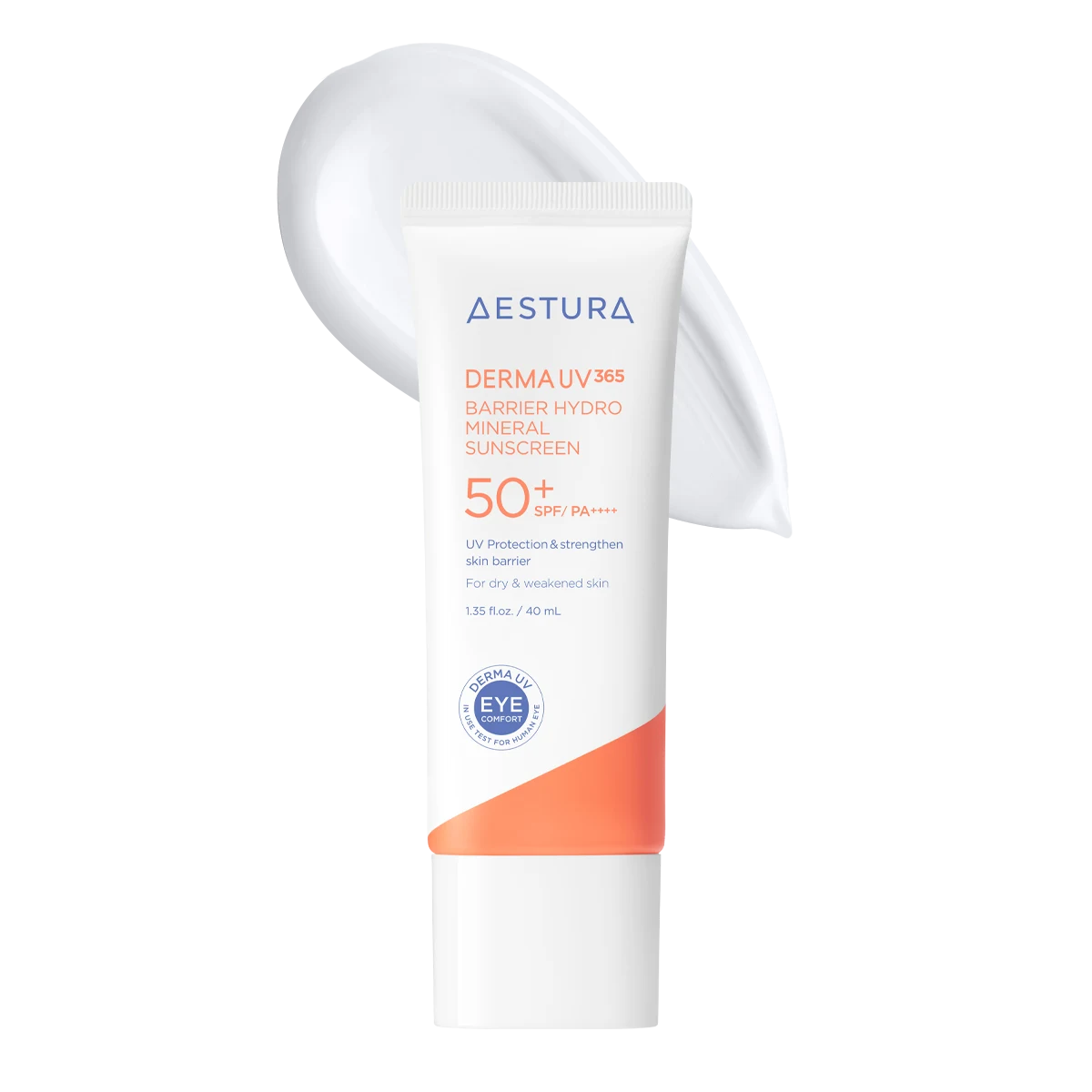
AESTURA
Derma UV365 Barrier Moisture Mineral Sun Cream 20ml
The only step that stops the trigger. Everything else is maintenance.
🍯 Dull with uneven tone
Beauty of Joseon
Glow Serum: Propolis + Niacinamide 30ml
Daily niacinamide, low irritation, safe to run for months.
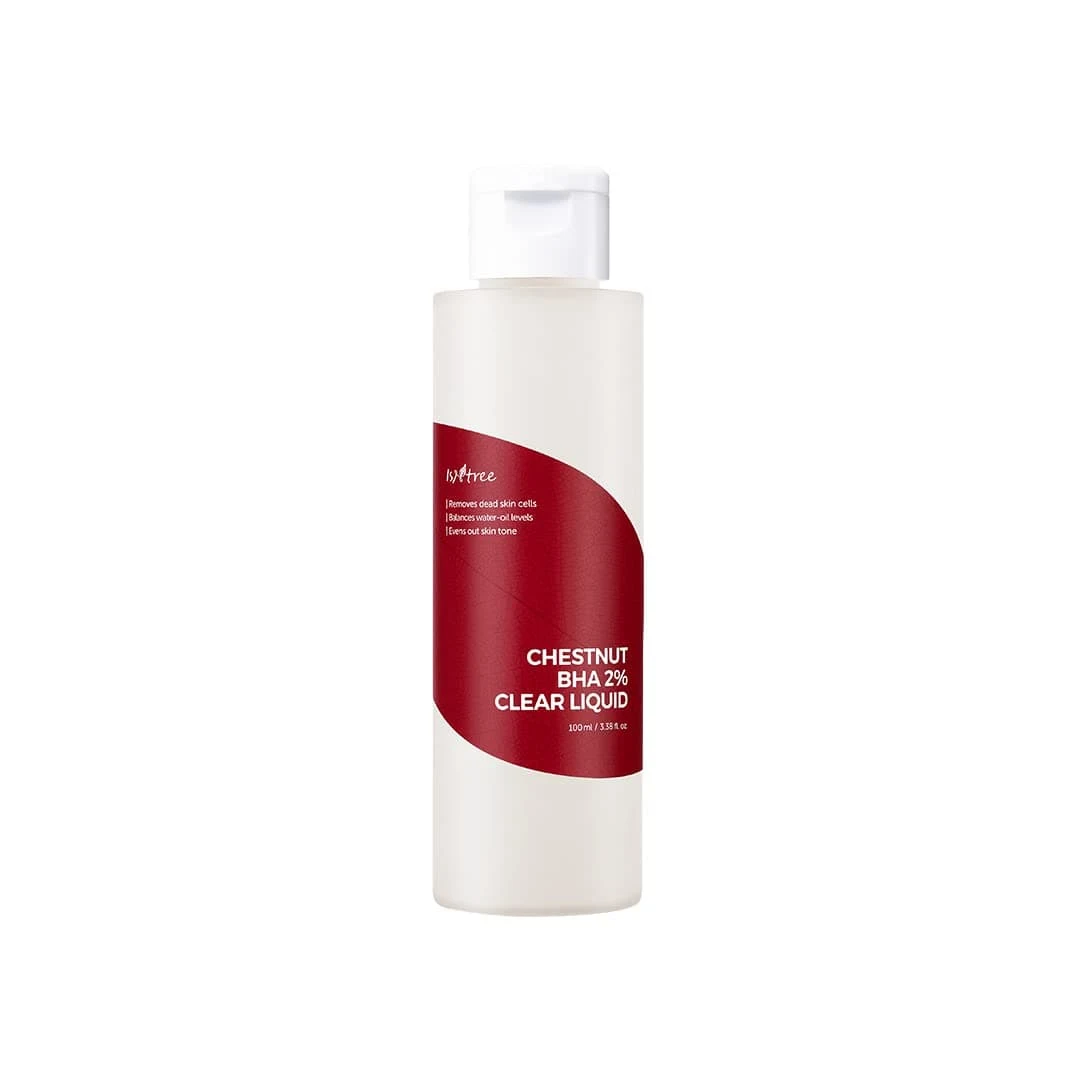
🌱 Post-acne marks
ISNTREE
Chestnut BHA 2% Clear Liquid 100ml
Clears the congestion causing new marks. Two to three nights a week, not daily.
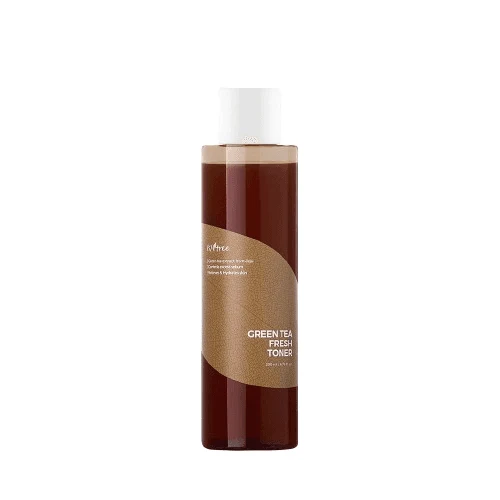
🍵 Redness plus pigment
ISNTREE
Green Tea Fresh Toner 200ml
Calms the inflammation that keeps generating fresh pigment.
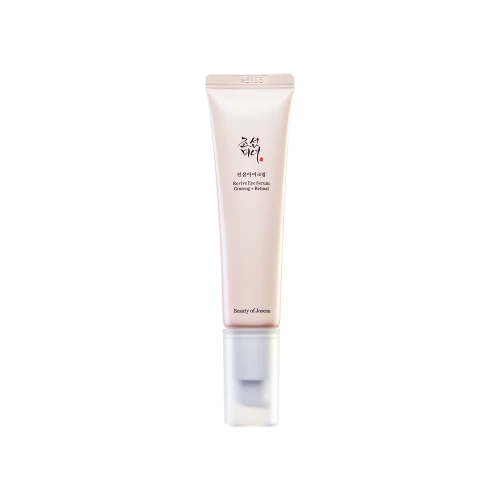
🌙 Fine lines with dark spots
Beauty of Joseon
Revive Eye Serum: Ginseng + Retinal 30ml
Low-dose retinal, used sparingly. Retinoids are the strongest evidence base we have.
One product per concern. Not seventeen. That's curation.
The “I can't be bothered” routine
A pigmentation routine you can hold for three months, because three months is the actual timeframe. Anything more aggressive gets abandoned in week two.
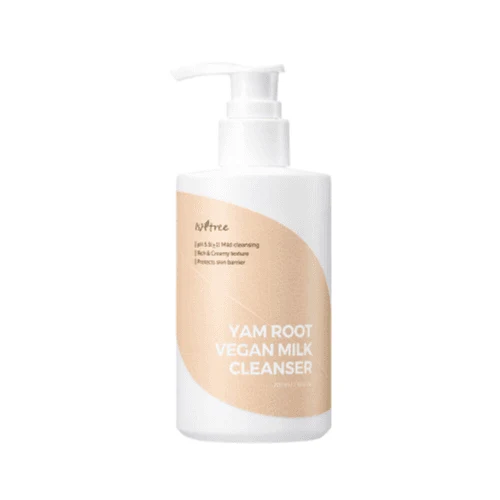
01 · Cleanse
Gentle, low-pH. Scrubbing pigment does nothing except make more of it.
ISNTREE
Yam Root Vegan Milk Cleanser 220ml
02 · Hydrate
Damp skin, one pass. Hydrated skin tolerates actives better.
ISNTREE
Green Tea Fresh Toner 200ml
03 · Brighten
Niacinamide serum, morning. Every day for at least eight weeks.
Beauty of Joseon
Glow Serum: Propolis + Niacinamide 30ml
04 · Protect
SPF, generously, reapplied when you're outdoors. This is the treatment.
AESTURA
Derma UV365 Barrier Moisture Mineral Sun Cream 20ml
If you only do one of these four, do the sunscreen. It out-performs every brightening serum ever sold, including the ones we stock.
Pigmentation on deeper skin tones

On deeper skin, the mark is usually caused by the treatment, not the original blemish. More active melanocytes means any inflammation — a strong acid, a retinoid ramped too fast, a scrub, picking — can leave a new dark mark that lasts longer than the thing you were treating.
So the order of operations inverts. Calm first, brighten second, exfoliate last and least. Niacinamide, tranexamic acid, alpha-arbutin and liquorice root are the low-irritation end of the shelf and the right starting point. Introduce one at a time, two to three nights a week, and give it a month before judging.
Sunscreen choice matters more here too. Korean chemical and hybrid filters generally leave no grey cast, which is exactly why we stock them — a sunscreen you'll actually wear every day beats a high-zinc one you skip.
If pigment is patchy, symmetrical across the cheeks and worsens with heat, that pattern is often melasma rather than post-inflammatory pigmentation, and it's worth seeing a dermatologist. Melasma is manageable, not curable, and it punishes aggressive treatment more than almost anything else.
Read the full guide →4 weeks with ISNTREE Green Tea Fresh Toner 200ml
4 weeks, one tester with combination skin
- Comfort
- 9/10
- Redness
- ⭐⭐⭐⭐
- Oil control
- ⭐⭐⭐
- Visible brightening
- ⭐⭐
Our verdict
“Genuinely calming and pleasant to use daily, and our tester's redness settled. It did not visibly shift existing dark spots in four weeks — no toner will. Treat it as the comfortable base layer that lets you keep using an actual brightening step.”
The Skin Grocery Basket — For pigmentation and uneven tone
Beauty of Joseon
Glow Serum: Propolis + Niacinamide 30ml
The daily brightener.
A$34
ISNTREE
Green Tea Fresh Toner 200ml
Calm the trigger.
A$26
ISNTREE
Chestnut BHA 2% Clear Liquid 100ml
Fewer new marks.
A$36
AESTURA
Derma UV365 Barrier Moisture Mineral Sun Cream 20ml
Protect the result.
A$10
Which pigmentation question should we answer next?
- AVitamin C: which form actually works?
- BIs tranexamic acid better than niacinamide?
- CHow do I treat melasma without making it worse?
- DDo LED masks do anything for pigment?
Tell us which one to dig into next. We actually read them — and the answers become the next issue.
Send us your question