Skin Grocer Blog · No. 02
The Barrier Issue
Your Skin Barrier Is Not a Trend
Stinging, flushing, products that used to be fine and suddenly aren't — that's a damaged barrier, and it's the most common problem in our inbox. What actually repairs it, how long it takes, and the products making it worse.
Written by The Skin Grocer Team — Fortnight of 22 June 2026
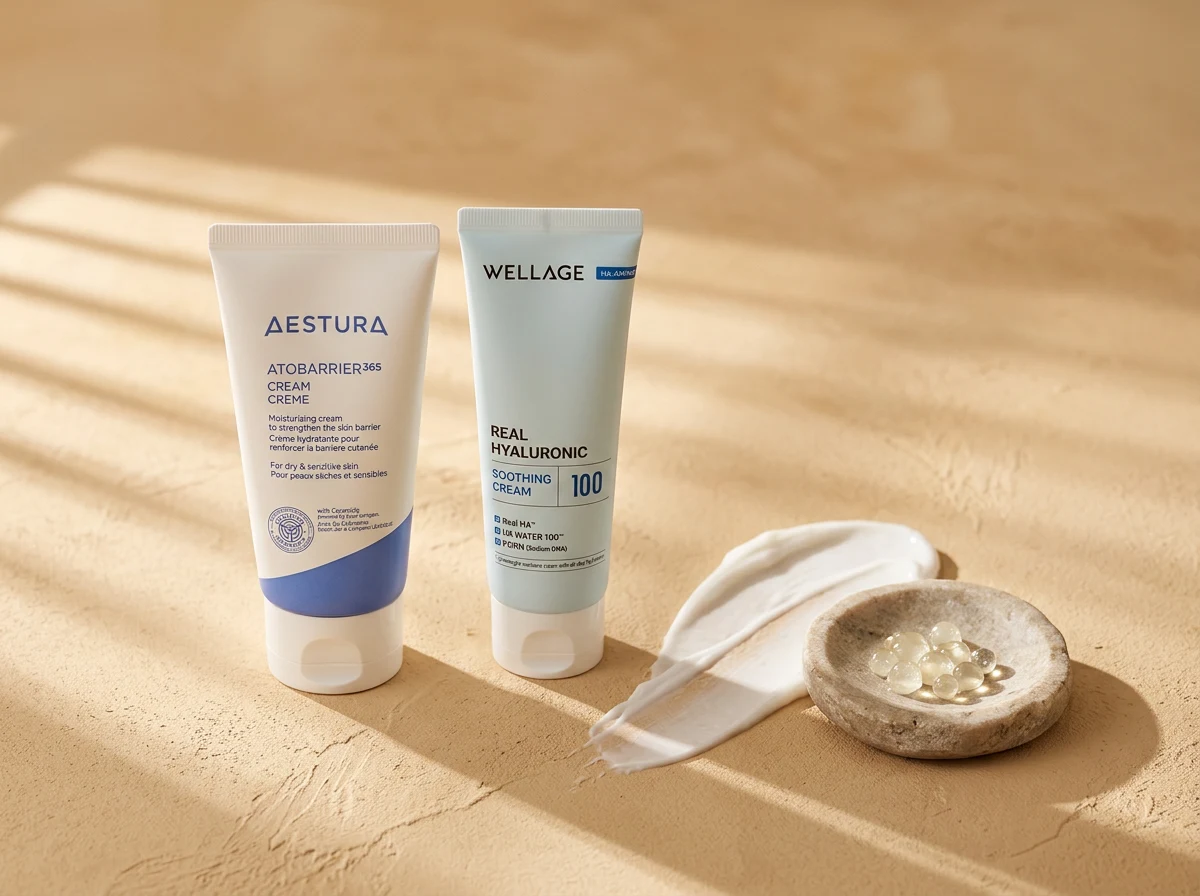
How do you know your barrier is damaged — and how long does it take to fix?
The tells are consistent: skin stings when you apply things that never used to sting, it flushes easily, it feels tight and looks shiny-tight rather than plump, it's simultaneously flaky and oily, and breakouts turn up in places you don't normally get them. Nothing you own works anymore, so you buy something else, and that makes it worse.
What's happened physically is that the mortar between your surface skin cells — ceramides, cholesterol and fatty acids — has been depleted, usually by over-cleansing, over-exfoliating, actives stacked too aggressively, hot water, or all four. Water leaves faster than skin can replace it, and irritants get in more easily.
The repair timeline is the part nobody wants: two to four weeks of doing very little for mild damage, and up to two or three months if you've been at it for a year. Skin renews on its own schedule and there is no product that shortens that meaningfully. Ceramide creams support the process; they don't accelerate biology.
So the treatment is subtraction. Stop every acid, retinoid, vitamin C, scrub and clay mask. Cleanse once a day with something gentle, hydrate, and use a ceramide-rich cream twice daily. Sunscreen stays — a damaged barrier burns faster. Reintroduce one active at a time, once you've gone a full week without stinging.
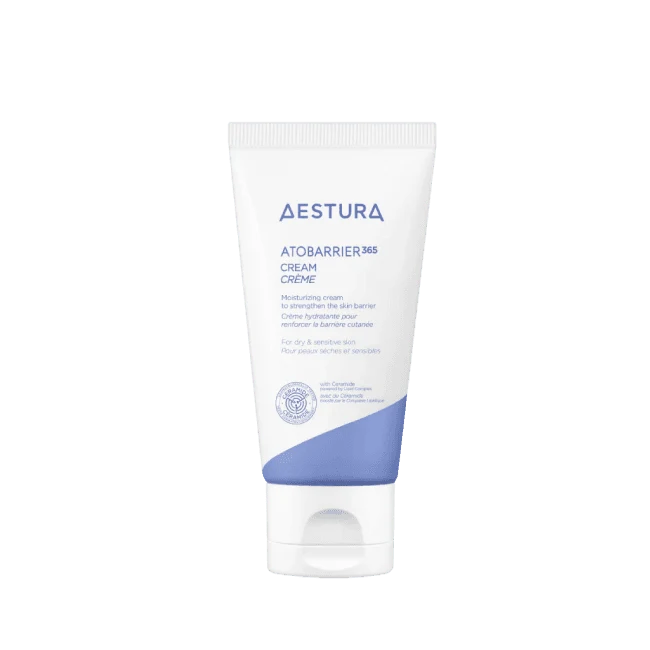
AESTURA
Atobarrier365 Cream (2nd Generation)
The ceramide cream Korean derm clinics reach for with eczema-prone patients. Fragrance-free, no essential oils, nothing decorative.
⭐ Why we picked it
- —Ceramide-led lipid blend that mirrors what depleted skin has lost
- —No fragrance, colourant or essential oils to re-irritate
- —Rich enough for a repair period, but not so heavy you'll abandon it
Ceramides: what Korea already knows
Korea
🔥🔥🔥🔥🔥
Australia
🔥🔥🔥 rising fast
- What is it?
- Lipids that make up a large share of the mortar between your surface skin cells. They're not an active — they're a building material. Applied topically they sit in the surface layers and help slow water loss while your own supply recovers.
- Why Koreans love it
- Korea's barrier obsession is partly climate — brutal winters, heavy heating, aggressive summer sun — and partly clinical: derm-adjacent brands like AESTURA sell through pharmacies, so the formulas are built for compromised skin rather than for a photo. Ceramide creams are the default winter purchase, not a trend.
- Should Australians care?
- Yes, and not only in winter. Air conditioning, salt water, chlorine and daily sunscreen removal all deplete surface lipids. If you can only own one thing from this issue, own a ceramide cream. It is the least exciting and most consistently useful product in skincare.
Try it
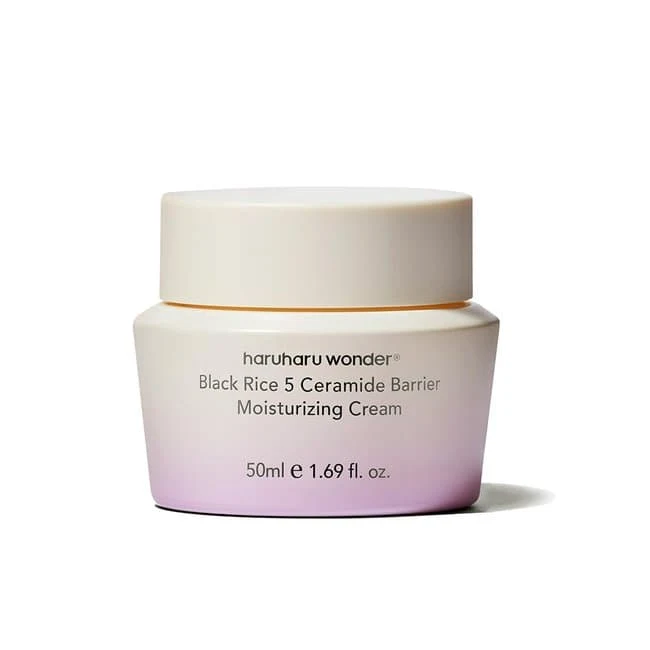
HARUHARU WONDER
Black Rice 5 Ceramide Barrier Moisturizing Cream
Five ceramides, lighter texture — good for combination skin.
A$38
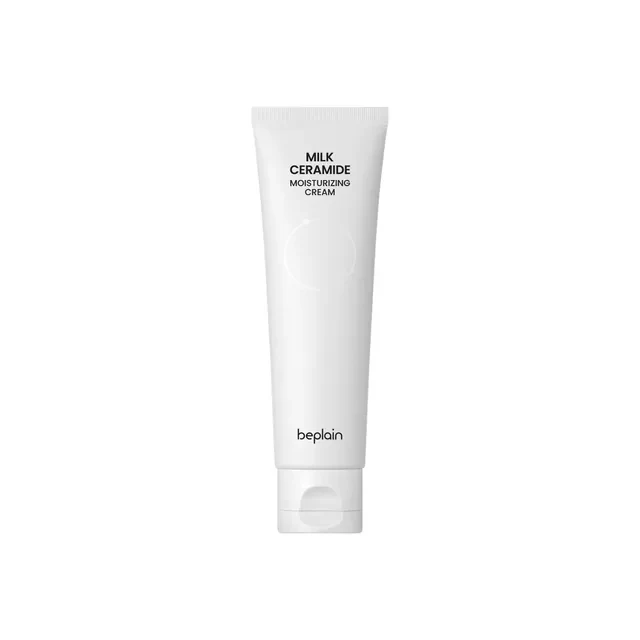
beplain
Milk Ceramide Moisturizing Cream
Simple, gentle, well-priced entry point.
A$35
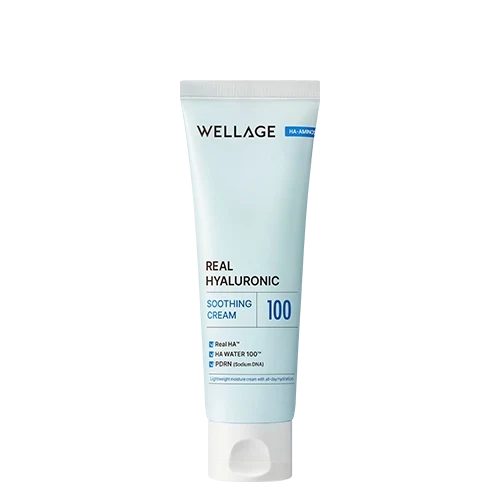
WELLAGE
Real Hyaluronic Soothing Cream 80ml
Hydration plus soothing when skin is actively reactive.
A$38
If your skin is feeling…
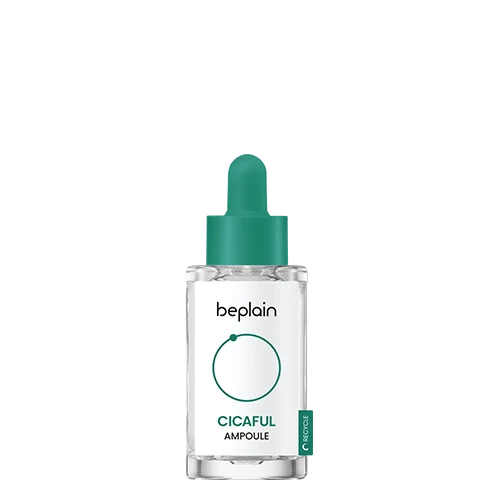
🔥 Stinging
beplain
Cicaful Ampoule 30ml
Centella and madecassoside — the best-evidenced calming pairing in K-beauty.
🧱 Barrier damage
AESTURA
Atobarrier365 Cream (2nd Generation)
The repair cream. Twice daily until stinging stops, then keep using it.
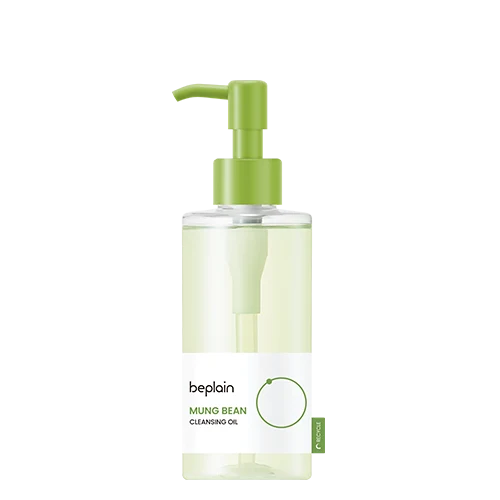
🫧 Over-cleansed
beplain
Mung Bean Cleansing Oil 200ml
Removes sunscreen without a second foaming wash that strips lipids.
🌾 Flaky and oily at once
HARUHARU WONDER
Black Rice 5 Ceramide Barrier Moisturizing Cream
Lipids without the weight — dehydration and oiliness usually travel together.
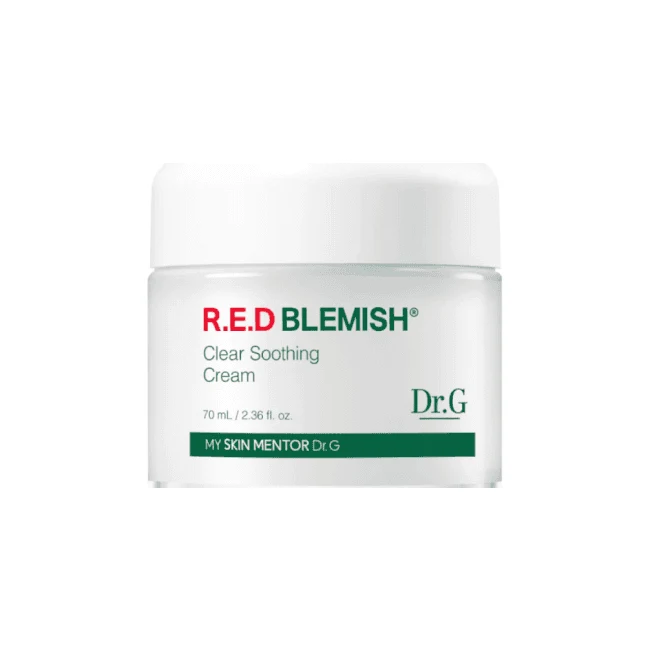
🩹 Angry, red patches
Dr.G
R.E.D Blemish Clear Soothing Cream 70ml
Calming cream for reactive, blemish-prone skin during a repair phase.
One product per concern. Not seventeen. That's curation.
The “I can't be bothered” routine
The repair routine. Deliberately boring — three products, no actives, for at least two weeks before you reintroduce anything.
01 · Cleanse
Oil cleanse at night only if you wore SPF or makeup. Water in the morning.
beplain
Mung Bean Cleansing Oil 200ml
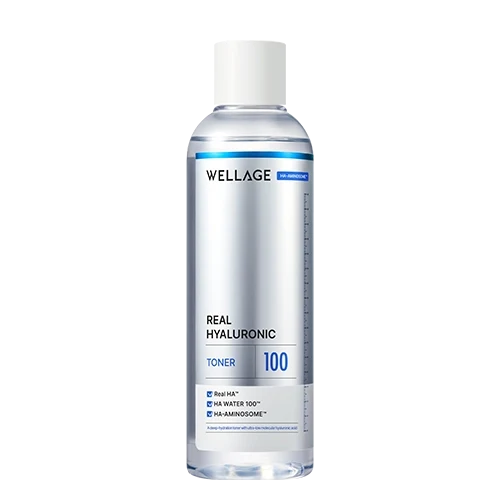
02 · Hydrate
One hydrating layer on damp skin. No acids, no vitamin C, no exceptions.
WELLAGE
Real Hyaluronic Toner 200ml
03 · Repair
Ceramide cream, morning and night, generously. This is the treatment.
AESTURA
Atobarrier365 Cream (2nd Generation)
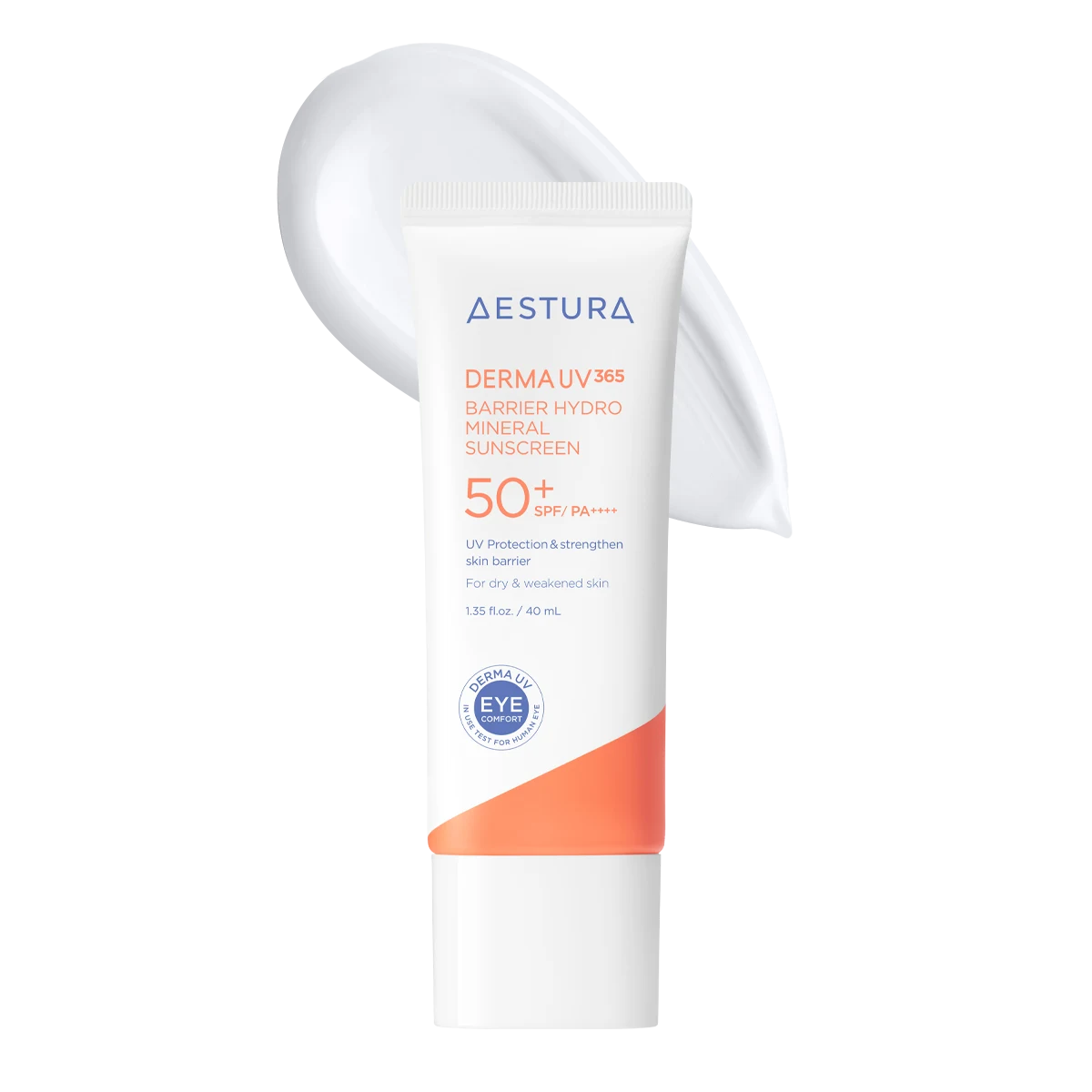
04 · Protect
SPF every morning. Damaged skin burns faster and heals slower.
AESTURA
Derma UV365 Barrier Moisture Mineral Sun Cream 20ml
If it stings, you're not done. The urge to add something is the thing that broke it in the first place.
Why your skin changed in your forties (and what to do about it)

Skin gets drier with age for structural reasons: sebum output falls, surface lipid production slows, and the skin holds less water than it did. A routine built for the oily skin you had at twenty-five will actively damage the skin you have at forty-five — same products, opposite result.
The most common mistake we see in this group is continuing to treat oiliness that's actually dehydration. Foaming cleansers, clay masks and astringent toners keep getting bought because the shine is still there; the shine is often skin overcompensating for what the routine strips.
Swap in this order: gentler cleanser first, richer moisturiser second, then a hydrating layer. Only after those three are stable is it worth adding a retinoid — which remains the best-evidenced ageing active there is, and the one most likely to wreck a barrier if introduced too fast. Two nights a week, buffered with moisturiser, for a month.
Hormonal change deserves proper advice too. If dryness arrived suddenly alongside other perimenopausal symptoms, that's a GP or dermatologist conversation, not a serum one. We'd rather send you there than sell you a cream that can't fix it.
Read the full guide →6 weeks with AESTURA Atobarrier365 Cream (2nd Generation)
6 weeks, one tester recovering from over-exfoliation
- Stinging by week 2
- Gone
- Texture
- 8/10
- Winter comfort
- ⭐⭐⭐⭐⭐
- Humid summer
- ⭐⭐⭐
Our verdict
“Our tester stopped every active and used this twice a day. Stinging stopped inside two weeks; flaking took about four. It's rich — in a Brisbane February you'd want the Hydro Soothing version instead. Nothing dramatic happened, which is exactly what barrier repair looks like.”
The Skin Grocery Basket — For a compromised barrier
beplain
Mung Bean Cleansing Oil 200ml
Gentle removal.
A$35
WELLAGE
Real Hyaluronic Toner 200ml
Water in.
A$28
AESTURA
Atobarrier365 Cream (2nd Generation)
The repair step.
A$55
beplain
Cicaful Ampoule 30ml
For the reactive days.
A$38
What's your barrier question?
- AHow do I reintroduce retinol without starting over?
- BIs my cleanser the problem?
- CCica vs ceramides — which first?
- DCan sunscreen itself irritate my skin?
Tell us which one to dig into next. We actually read them — and the answers become the next issue.
Send us your question